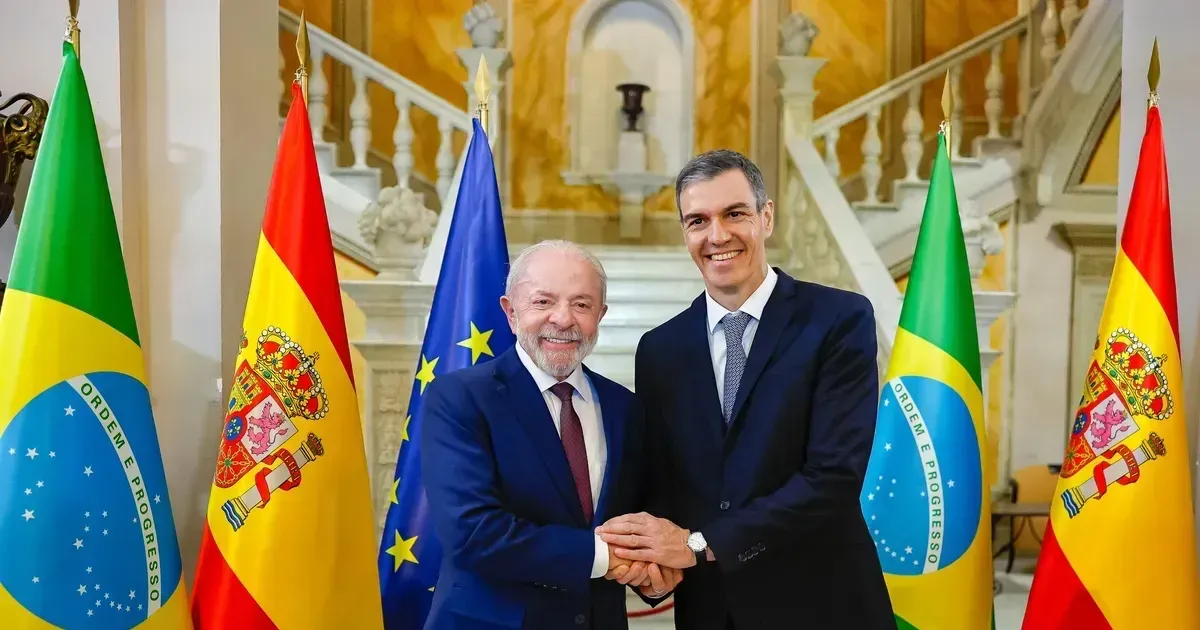
The Barcelona wealth-tax summit turned anti-populist strategy into a fiscal test for governments. The debate matters because energy prices and inequality are now moving through the same political channel. Claudia Sheinbaum arrived in Barcelona on April 18, 2026, for a high-stakes gathering of left-wing heads of state focused on democratic preservation. This summit, the IV Meeting in Defense of Democracy, brought together the primary voices of the modern global left. Pedro Sánchez of Spain acted as host, welcoming leaders who seek to build a unified front against the rise of the ultra-right across Europe and the Americas. The official roster included Luiz Inácio Lula da Silva of Brazil and Gustavo Petro of Colombia.
Barcelona became a temporary capital for progressive strategy, hosting both the democratic defense meeting and the Global Progressive Mobilization. These concurrent events represent a concentrated effort to synthesize economic policy with social justice. Participants spent the morning discussing how to insulate democratic institutions from populist erosion. Discussion centered on the need for collective action to address voter frustration. The meeting officially opened with a plenary session led by Gustavo Petro.
Mexico and Spain Address Colonial Tensions
Claudia Sheinbaum addressed the press at the event entrance, moving quickly to dispel rumors of a diplomatic rift between Mexico City and Madrid. Tensions had reportedly simmered over the lack of a formal Spanish apology for the historical suffering of indigenous peoples during the conquest. Sheinbaum stated clearly that no diplomatic crisis exists between the two nations. Her focus remained on the internal strength of Mexican indigenous communities. She emphasized that recognizing the power of these original peoples is essential for the Mexican national identity.
Spanish officials have previously resisted formal apologies, leading to a period of cool relations. Despite this, the presence of the Mexican president at a summit hosted by Pedro Sánchez suggests a pragmatic pivot toward cooperation. The two leaders appeared together during the opening ceremonies, signaling a desire to prioritize shared political goals over historical grievances. Stability in the Ibero-American corridor is a priority for both administrations. Sheinbaum confirmed that her dialogue with Spanish leadership continues without formal interruption.
Historians observing the summit noted that the conquest remains a sensitive topic for the Mexican electorate. Sheinbaum must balance international diplomacy with domestic demands for historical justice. This diplomatic dance involves acknowledging past trauma without triggering a permanent break with a major European trade partner. The Mexican president concluded her initial remarks by reiterating that the strength of her nation lies in its roots. She then joined Luiz Inácio Lula da Silva for a private bilateral meeting.
Economic Strategies Against Global Populism
Economic volatility is the primary driver of current political instability, according to a report presented at the Global Progressive Mobilization. The global economy has faced a series of shocks over the last five years, starting with the pandemic. Supply-chain bottlenecks followed the initial recovery, creating a wave of scarcity that drove prices higher. The subsequent energy crisis, triggered by regional conflicts, worsened these inflationary pressures. Leaders in Barcelona argued that these conditions provide fertile ground for extremist rhetoric.
Luiz Inácio Lula da Silva spoke at length about the correlation between rising interest rates and social unrest in the Global South. High borrowing costs have limited the ability of developing nations to invest in social safety nets. Brazilian delegates proposed a coordinated effort to protect public services from private-sector encroachment. They argued that essential utilities and healthcare must be shielded from the profit motive to ensure social cohesion. Gustavo Petro supported this view, linking economic inequality to the fragility of peace.
“Un faro hacia la vida frente a un desorden global peligroso para la Humanidad.”
Gustavo Petro used this phrase to describe the role of the progressive alliance during his keynote speech. He argued that the world currently faces a dangerous global disorder characterized by environmental collapse and unchecked capital. His rhetoric focused on the urgent need for a new economic paradigm. The Colombian president warned that failure to provide real relief to the working class would lead to the collapse of democratic norms. He called for a shift toward life-centered policies despite mounting global threats.
Taxation Proposals Targeting the Wealthiest Residents
Delegates at the summit proposed a new framework for taxing the world's wealthiest individuals to fund social programs. The Global Progressive Mobilization suggests that wealth taxes on the ultra-rich could provide the necessary capital to stabilize public services. This proposal targets the extreme concentration of wealth that has accelerated since 2020. Proponents argue that such a tax would reduce the influence of oligarchic interests in national politics. Pedro Sánchez has expressed openness to exploring these fiscal mechanisms at the European level.
Negotiations for a global minimum tax on billionaires continue to face opposition from tax-haven jurisdictions. Regardless, the leaders in Barcelona committed to pursuing regional agreements that could bypass international gridlock. The proposal includes measures to prevent capital flight and ensure that large corporations pay their fair share in the countries where they generate profit. The strategy aims to reclaim the fiscal sovereignty of the state. Economists at the summit presented data showing that current tax structures favor asset holders over wage earners.
Economic desperation often drives political upheaval. Because of this, the summit emphasized the role of the state as a provider of last resort. The redistribution of wealth is more than a social goal but a security imperative for these administrations. Leaders agreed that the survival of their governments depends on their ability to lower the cost of living. Failure to curb inflation will likely result in electoral gains for right-wing challengers. The summit organizers plan to release a formal declaration outlining these economic commitments by the end of the weekend.
Addressing Geopolitical Inflation and Energy Risks
Conflict in the Middle East continues to pose a significant risk to global price stability. Rising energy costs threaten to trigger a new wave of inflation that could undo recent economic progress. Pedro Sánchez noted that energy independence is a matter of national security for Spain and its neighbors. The summit participants discussed the need for a rapid transition to renewable energy to reduce dependence on volatile global markets. The transition is seen as both an environmental necessity and a political shield.
Inflation remains a persistent threat to the popularity of progressive governments. High prices for basic goods like bread and fuel have historically been the catalyst for regime change. The leaders in Barcelona reviewed strategies for market intervention to prevent price gouging by energy firms. They discussed the implementation of price caps on essential commodities during periods of geopolitical crisis. The approach marks a departure from the neoliberal consensus of the previous decade. The Colombian delegation emphasized that energy policy must also address the climate crisis.
Power dynamics between former colonies and their colonizers continue to shape modern diplomacy. Despite the focus on the future, the shadows of the past were visible in every negotiation between Claudia Sheinbaum and European representatives. The summit is a platform for these nations to renegotiate their standing in the global order. They are seeking a partnership based on mutual respect and shared economic interests. The meeting concluded its first day with a commitment to defend democracy against all internal and external threats.
Wealth Tax Plan Tests Populist Pressure
Political survival in the modern age depends less on ideology and more on the ability to find a common enemy. The leaders gathered in Barcelona have identified the ultra-right and the ultra-wealthy as their primary targets, yet their alliance appears more defensive than proactive. By focusing on wealth taxes and colonial grievances, they are attempting to appease a restless base that has seen its purchasing power evaporated by five years of global mismanagement. The summit is a desperate attempt to build a fortress around the progressive state before the next electoral wave washes it away. The Mexican denial of a diplomatic crisis is a transparent exercise in damage control. Claudia Sheinbaum knows that her domestic mandate requires a firm stance against Spanish historical revisionism, but her treasury requires Spanish investment. The result is a lukewarm compromise that satisfies nobody. Meanwhile, the proposal for a global wealth tax remains a fantasy in a world where capital moves at the speed of light. Without a unified enforcement mechanism, these leaders are shouting into the wind while the very populism they fear gains momentum in the streets of their own capitals. Action is the only currency.