The BBC is asking a Florida federal court to throw out Donald Trump's $10 billion lawsuit before the case reaches the evidence stage. Donald Trump faced a legal challenge from the BBC on March 16 as the British broadcaster moved to dismiss his $10 billion lawsuit in a Florida federal court. Lawyers representing the British Broadcasting Corporation argued that the American judicial system lacks jurisdiction over the case because the contested content never reached Florida soil through traditional or digital channels.
Jurisdiction Leads the Defense
This motion to dismiss marks a significant escalation in a legal battle that began last year over a documentary detailing the events of January 6, 2021. Court filings submitted on Monday reveal a central defense strategy focused on the geographical reach of the broadcaster. The organization maintains that the documentary was produced for a British audience and remained confined to platforms outside the United States.
Documentary Reach Becomes the Dispute
According to the BBC, no part of the program aired on American television networks or appeared on streaming services accessible within Florida borders. Defense attorneys contend that a foreign entity cannot be dragged into a local court for actions that occurred entirely abroad. Donald Trump claims the BBC manipulated his image and words to create a false narrative regarding his role in the Capitol riot. The lawsuit alleges that editors used selective cuts to mischaracterize a speech delivered before the riot began. It wants dismissal before the case moves into a more expensive evidence and deposition phase. The $10 billion demand raises the stakes publicly, even if the legal test still depends on provable harm and fault.
Media Law Stakes Cross Borders
Legal representatives for the former president argue that the global nature of the internet makes jurisdictional boundaries irrelevant in modern defamation cases. They assert that Florida residents could still access the content through various digital backdoors, justifying the lawsuit in a US court.
Florida Court Reviews BBC Jurisdictional Defense
Judges in the Southern District of Florida must now weigh the merits of the BBC's argument regarding "minimum contacts" within the state.
Under American law, a defendant must have a functional or commercial presence in a jurisdiction to be sued there. The broadcaster insists it does not distribute the specific documentary in question to any Florida-based cable providers or local stations. By contrast, legal experts following the case suggest that the presence of the broadcaster's news bureaus in the US might complicate this defense.
BBC correspondents operate regularly out of Washington and New York, though the defense claims these operations are separate from the documentary production unit based in London. Jurisdictional disputes often hinge on the specific mechanisms of content delivery. For instance, if a British media outlet sells a license to an American streamer like Netflix or Hulu, they effectively invite US jurisdiction.
The BBC maintains no such license exists for the January 6 documentary. In fact, a representative for the British Broadcasting Corporation provided a clarifying statement regarding the program's availability. The documentary was never aired in Florida or elsewhere in the U.S., and it was not available to stream there on any platform.
Legal observers point to the 2010 SPEECH Act as a potential hurdle for the BBC if the case proceeds. That federal law protects Americans from foreign libel judgments that do not align with First Amendment standards. Still, the current situation involves an American plaintiff suing a foreign defendant on American soil, which reverses the usual legal dynamic.
The court must determine if the mere existence of a website accessible in Florida constitutes a deliberate attempt to target Florida residents with defamatory material.
Documentary Editing Dispute and Capitol Riot Context
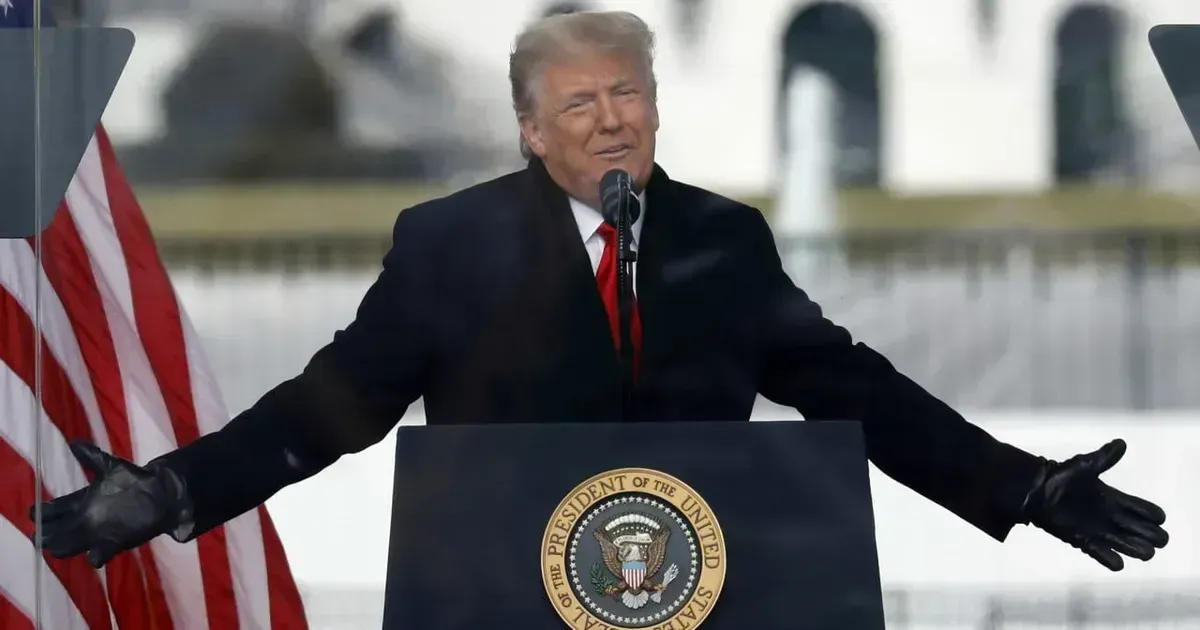
Central to the $10 billion claim is the way the BBC handled footage of the speech Donald Trump delivered on the morning of January 6.
Attorneys for the plaintiff argue that the documentary removed key phrases where the speaker called for peaceful protest. These omissions, the lawsuit claims, created a distorted impression of incitement that damaged the plaintiff's global reputation and business interests. Even so, the broadcaster defends its editorial choices as standard journalistic practice.
Editors frequently compress hours of footage into short segments to fit the constraints of a documentary format. Journalistic standards in the United Kingdom differ slightly from those in the United States. While both nations value a free press, British broadcasters are subject to strict impartiality requirements overseen by Ofcom.
Yet, those requirements apply to their domestic broadcasts, not necessarily to the legal standards of a Florida courtroom. The BBC argues that its portrayal of the Capitol riot was consistent with widely reported facts and investigative findings from the US House Select Committee. They maintain that the editing reflected the reality of the day's events as witnessed by millions.
The Lawsuit Tests Jurisdiction Before Reputation
The size of the demand is designed to dominate headlines, but the first fight is far more technical and far more decisive. If the BBC can show that the documentary was not distributed into Florida, the $10 billion figure becomes political noise around a jurisdictional wall. Trump wants the case judged as a reputational injury. The broadcaster wants it judged as a question of whether an American court can reach a foreign newsroom for work aimed at a foreign audience.
That distinction is not a footnote. If courts treat every globally visible controversy as locally actionable, international journalism becomes hostage to the most plaintiff-friendly venue available. If they draw the boundary too tightly, powerful figures may have no remedy when cross-border media actually targets them. This case is not only about one documentary. It is about whether digital reach can erase legal geography altogether.