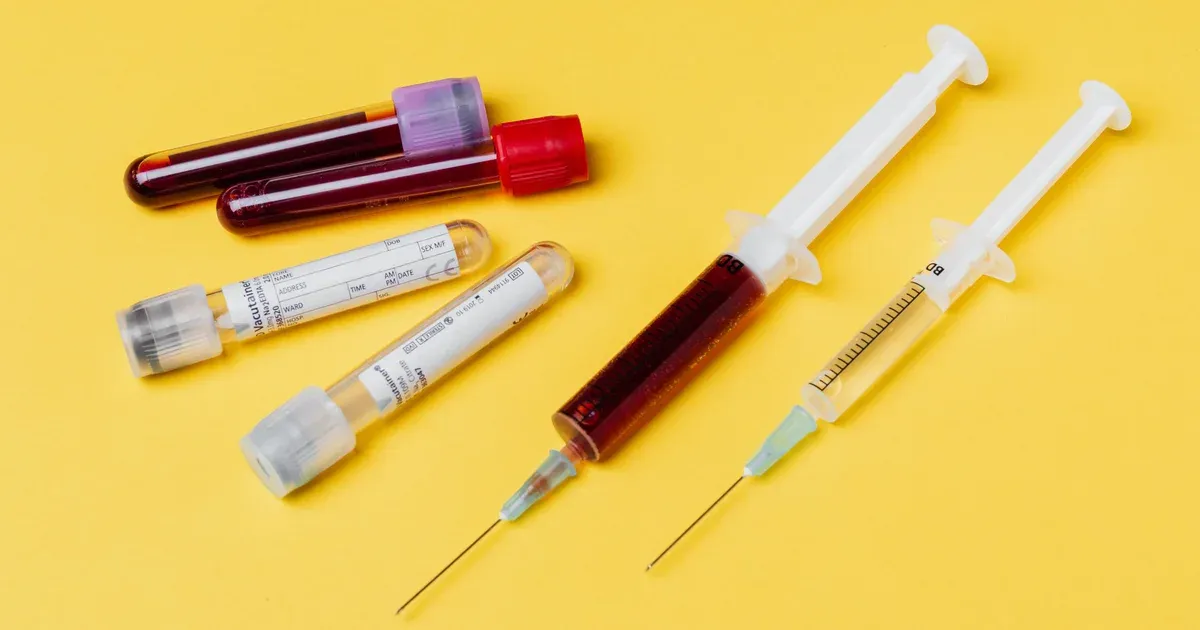
A targeted screening pathway found substantially more previously unrecognized heart failure than usual care among adults with diabetes and additional cardiovascular risk. The TARTAN-HF trial used a blood biomarker to decide who should receive cardiac imaging; the blood test did not diagnose heart failure by itself.
More than 700 participants were randomized at multiple centers. Those assigned to screening received an NT-proBNP test, and people with an elevated result proceeded to an echocardiogram and clinical assessment. The comparison group continued with usual care.
The Detection Difference Was Large
Within six months, 24.9% of participants in the screening group had received a heart-failure diagnosis, compared with 1% in the usual-care group. NT-proBNP was elevated in just under half of the people screened, according to the results reported from the American College of Cardiology's 2026 scientific meeting.
Those figures show that the pathway uncovered disease that routine care had missed in this selected population. They do not mean one-quarter of all people with diabetes have undiagnosed heart failure. Trial participants also had at least one additional heart-failure risk factor, so the result cannot be transferred unchanged to every primary-care population.
The Blood Test Was a Filter, Not a Diagnosis
NT-proBNP rises when the heart is under increased wall stress, but an elevated value is not specific to one disease. Age, kidney function, heart rhythm and other conditions can affect the level. That is why the TARTAN-HF pathway sent participants with an elevated result to echocardiography and clinical review rather than treating the biomarker as a final answer.
This distinction is clinically important. A useful screening test can narrow the group that needs imaging without proving disease on its own. The trial evaluated an organized pathway, not a stand-alone consumer blood test and not a rule that permits treatment without confirming the diagnosis.
Most Detected Cases Had Preserved Ejection Fraction
Almost all of the heart-failure cases detected through screening were reported as heart failure with preserved ejection fraction, or HFpEF. That form can be difficult to recognize because breathlessness, fatigue and reduced exercise tolerance overlap with obesity, lung disease, deconditioning and complications of diabetes.
Preserved ejection fraction also means that a commonly quoted pumping measurement can remain within its usual range even though the patient has heart failure. The study's combination of biomarker testing, imaging and clinical assessment addressed that diagnostic difficulty more directly than waiting for an obvious fall in ejection fraction.
Screening Changed Treatment, but It Did Not Dictate One Drug
Use of SGLT2 inhibitors in the screening group increased from 24% at baseline to 39% after six months. These medicines are used in diabetes and heart failure, but the trial report does not establish that every person with an elevated NT-proBNP result should begin one immediately. Treatment still depends on the confirmed diagnosis, kidney function, other medicines, contraindications and clinician judgment.
The increase also cannot by itself explain every difference between the trial groups. Screening can lead to several downstream changes, including additional assessment, treatment of blood pressure or rhythm problems, closer follow-up and use of other guideline-directed therapies. Attributing the whole pathway's effect to a single medicine would go beyond the reported design.
The Clinical-Outcome Signal Needs Caution
The reported composite of hospitalization or death occurred in 3.1% of the screening group and 6.8% of the usual-care group. That is an encouraging signal, but the absolute number of events was small and the figures were reported from a conference presentation. The trial was designed around a screening pathway, not around isolating the causal effect of one medication.
Larger and longer studies are needed to determine whether the detection advantage consistently produces fewer hospitalizations or deaths, what part of the pathway delivers that benefit and whether the result holds in broader diabetes populations. A diagnosis found earlier is clinically useful only if the subsequent care improves outcomes without creating disproportionate testing, cost or harm.
Implementation Is the Next Test
The Health Research Authority's study summary describes TARTAN-HF as a test of whether biomarker-led screening can identify heart failure and enable earlier management in high-risk diabetes care. Turning that research pathway into routine practice would require clear eligibility criteria, laboratory access, capacity for echocardiography and a reliable route for specialist interpretation and follow-up.
That capacity question is not administrative trivia. A screening program that finds many elevated biomarkers but cannot provide timely imaging may create anxiety and queues without delivering a diagnosis. Health systems would also need to measure false positives, downstream workload, cost and whether underserved patients can complete the full pathway.
A Strong Detection Result Is Not Yet a Universal Mandate
TARTAN-HF makes a persuasive case that passive, symptom-led care can miss heart failure in a high-risk diabetes population. The 24.9% versus 1% diagnosis gap is too large to dismiss as a minor workflow detail. It gives clinicians and guideline groups a concrete pathway to evaluate.
But the defensible conclusion stops there: targeted NT-proBNP screening followed by echocardiography found substantially more disease in this trial. It did not prove that every adult with diabetes should be screened, that a positive blood test is a diagnosis or that immediate use of one drug prevents hospitalization. The real standard-of-care question is whether health systems can reproduce the detection benefit, confirm the diagnosis responsibly and show that the full pathway improves outcomes at scale.