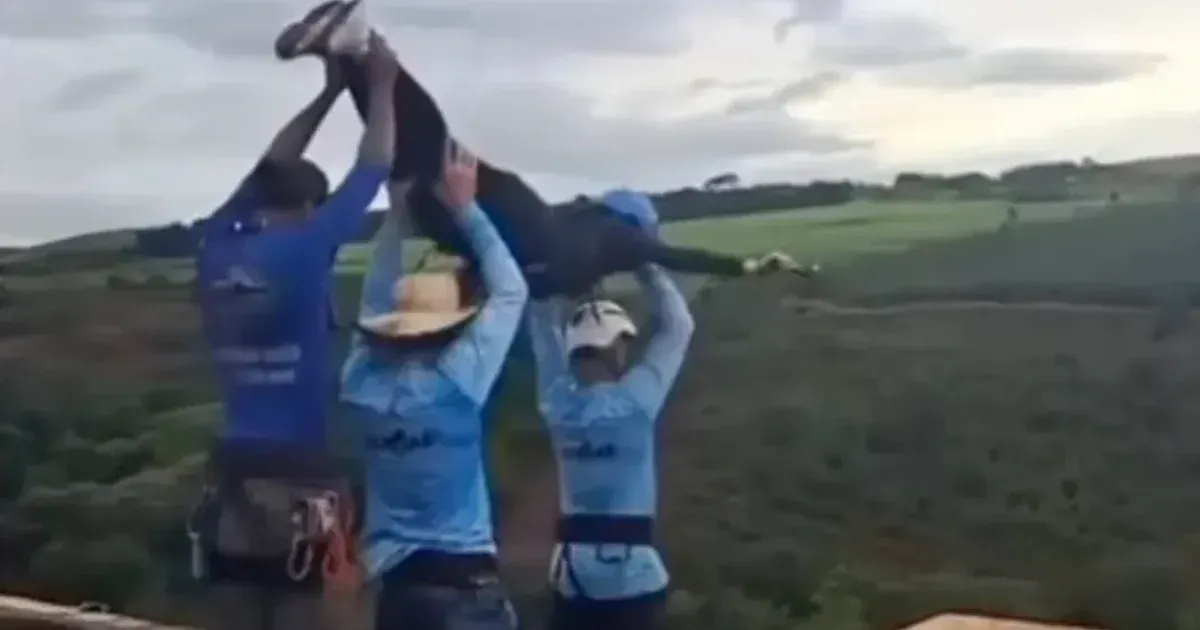
Brazilian police moved quickly after a fatal bungee-style jump in Limeira turned from an adventure outing into a criminal investigation. Maria Eduarda Rodrigues de Freitas, 21, died after falling from the Skeleton Bridge in São Paulo state. The investigation now turns from the fall itself to whether preventable risk was ignored. That distinction will matter for operators across the region. The fatal fall happened on June 13, 2026, during an organized activity that investigators say lacked proper safety control.
Initial reports from Brazilian authorities and international outlets described a catastrophic equipment failure: the jumper was released before the safety cord was properly secured. The bridge is roughly 131 feet above the ground, and video from the scene reportedly captured bystanders realizing too late that the line had not been attached. Emergency crews reached the area, but de Freitas was pronounced dead at the scene. Authorities said six people were arrested after the incident, while three suspects faced homicide-related charges.
That distinction matters. The case is not simply an accident report; it is now a criminal inquiry into who controlled the activity, who checked the equipment and whether the operators knowingly accepted a foreseeable risk. Reports from Brazil also said the activity was linked to a guided outing rather than a permanent attraction with a visible public safety regime. That detail gives investigators a practical trail to follow through booking records, participant instructions, staff roles and any written checklist used before the jump.
Police Focus on the Missing Safety Cord
The central question is brutally simple: why was a participant released from a bridge without the protection that defines the activity itself? Investigators are reviewing video, witness accounts and gear recovered from the site. The strongest factual issue so far is the apparent absence of a secured safety cord before the jump. Local reporting described the outing as a privately organized rope-jumping or bungee-style event rather than a controlled attraction inside a permanent regulated facility, a distinction that could affect licensing, insurance and criminal exposure.
The victim's name has become central to the public response because the video spread quickly across social platforms. Still, the legal case will likely turn on procedure rather than shock. Police must establish who gave the release signal, who inspected the harness and whether any responsible person noticed the missing line before de Freitas fell. A bungee or rope-jumping operation should require redundant checks before a participant moves into launch position, including a second trained person confirming the harness, anchor point, backup line and verbal release command.
Adventure Operators Face Wider Scrutiny
The Limeira case also places pressure on local officials responsible for monitoring high-risk tourism. Extreme-sports businesses often operate between municipal rules, private land permissions and state-level safety expectations. When that oversight is loose, a single missed step can become fatal.
Brazilian authorities have already signaled a broader review of similar activities in the region. That review is necessary, but it should not become a way to blur responsibility for this specific death. A fatal fall caused by an unsecured line is not a vague regulatory problem; it is a concrete operational failure that demands names, records and accountability. Regulators also have to determine whether similar operators have been using public structures without permits, because a bridge that becomes an informal attraction can create risk long before a police case begins.
For families considering adventure tourism, the case is a harsh reminder that price, popularity and viral appeal are not substitutes for visible safety systems. Operators should be able to show redundant attachments, trained staff, emergency plans and written authorization before anyone steps near an edge. That standard should not depend on whether the attraction is permanent or temporary. The fact that the incident was filmed adds another layer of public pressure, preserving details that witness memory may miss while also risking the conversion of grief into spectacle.
The criminal inquiry now has to separate negligence from spectacle. If prosecutors can prove that basic checks were skipped, the charges against the three suspects will become a test of whether extreme-sports operators are treated as casual guides or as professionals responsible for life-critical equipment. Courts will also have to weigh how much responsibility belongs to individual staff members and how much belongs to the organizers who designed the outing. When the business model sells controlled danger, professional control is not optional.