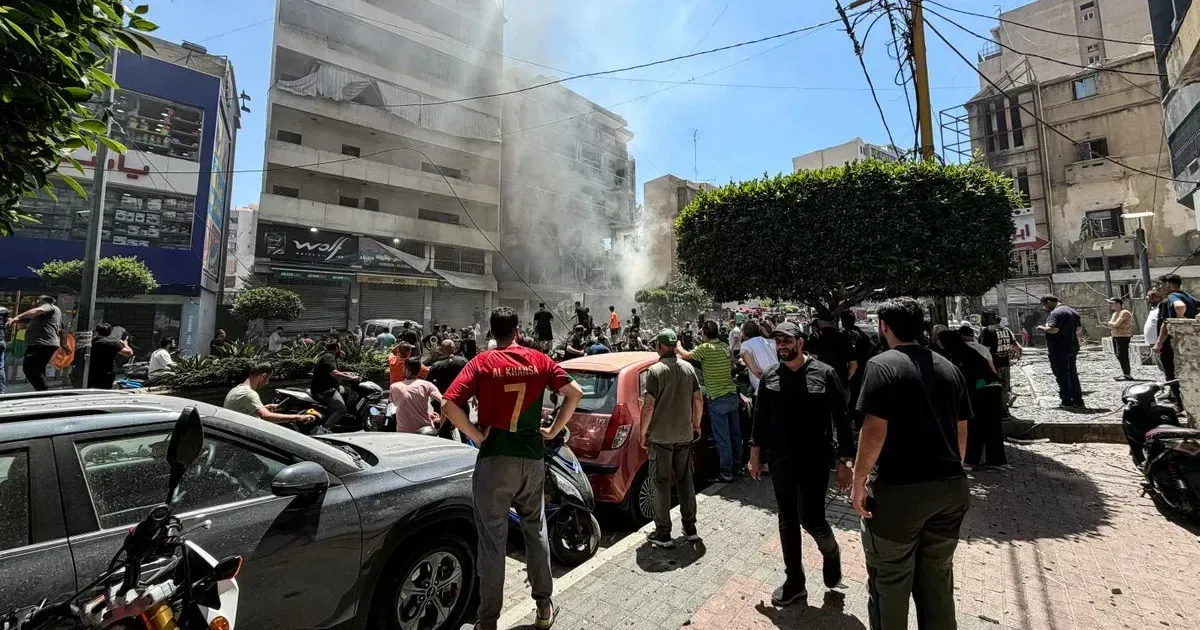
Beirut strikes threatened to complicate a peace track that officials had described as close to agreement. The timing mattered because fragile diplomacy can absorb rhetoric more easily than new battlefield facts. Regional actors now have to decide whether restraint serves them better than escalation. Diplomats also have to keep a negotiation channel open while allies demand visible deterrence. On June 13, 2026, the strikes renewed those tensions.
Reports from Beirut indicate that the bombardment focused on the southern suburbs of the city. Israel confirmed the operation, stating that the mission successfully hit infrastructure belonging to Hezbollah. Military commanders argued the necessity of the strikes to prevent immediate security threats along the northern border. This move has introduced serious friction into a negotiation process that appeared to be nearing a conclusion earlier in the weekend.
Negotiations now hang on whether the ceasefire can be restored before the day ends.
White House officials spent the morning managing expectations after the president claimed a deal could be signed as early as Sunday. Sources within the administration noted that the signing of the US-Iran deal is not currently on the president’s public schedule. This absence of a formal event on the calendar suggests a lack of coordination between the two nations regarding the final logistics of the ceremony. American negotiators continue to work behind the scenes to bridge the gap between rhetoric and procedural readiness.
Israeli Bombardment Hits Hezbollah Infrastructure in Beirut
Projectiles hit several buildings in the densely populated southern suburbs of the Lebanese capital. Witnesses described smoke rising from multiple locations where the military claimed Hezbollah stored equipment. Jerusalem maintains that these strikes were a response to specific intelligence regarding upcoming hostile maneuvers. Officials in Israel have not directly linked the timing of the air campaign to the diplomatic talks in Washington, though the impact on the peace process was immediate.
Hezbollah leaders have yet to release a detailed assessment of the damage sustained during the morning raids. Security analysts suggest that the destruction of infrastructure may prompt a retaliatory response that would further destabilize the current ceasefire. Such military actions often complicate the internal politics of the Iranian government, which provides meaningful support to the Lebanese group. Strikes have effectively forced Iranian negotiators to reconsider their position on the immediate cessation of hostilities.
Iranian state media reported that the government in Tehran views the Beirut strikes as a provocation. Foreign ministry officials indicated that the breach of the ceasefire makes it difficult to move forward with a formal signing ceremony. They disputed the timeline offered by the American president, suggesting that more work is required before any documents can be finalized. Disagreement over the timeline persists despite the White House's public confidence. This latest escalation marks a volatile turn in the conflict between Israel and Hezbollah.
Conflicting Timelines for the US-Iran Peace Treaty
Donald Trump expressed confidence earlier Sunday that a deal to stop the war with Iran was imminent. He told reporters that the document was ready for signatures and could be executed by the end of the day. Tehran, however, took a different stance by characterizing the American claims as premature. Iranian officials emphasized that the details of the implementation phase remain under discussion between the technical teams of both nations.
Iranian foreign ministry officials said that Tehran must be cautious in commenting on the deal signing date given the recent military developments.
Legal experts in Washington pointed out that a treaty of this magnitude requires a verified schedule that both parties acknowledge. The public schedule released by the White House on Sunday morning included several domestic meetings but no reference to a diplomatic summit or a signing ceremony. If the deal were as close as the president suggests, typical protocols would involve the presence of high-ranking diplomats from both countries at a centralized location. These procedural steps appear to be missing from the current day’s itinerary.
Efforts to clarify the situation led to a series of conflicting statements from various government departments. While some American advisors remain optimistic about a late-night breakthrough, others admit that the Beirut incident has stalled progress. The United States has been pushing for a comprehensive agreement that addresses both nuclear concerns and regional proxy conflicts. Any disruption in Lebanon naturally affects the core of these multi-faceted negotiations.
Tehran Cites Ceasefire Breach in Call for Caution
Iranian foreign ministry spokespeople spent the afternoon emphasizing the need for a stable environment before signing any peace treaty. They argued that the Israeli strikes in Beirut represent a clear breach of the ceasefire conditions that were supposed to underpin the deal. According to The Independent, the ministry’s call for caution reflects a desire to see a complete halt to military operations before committing to the terms of the agreement. The cautious approach contrasts with the urgent tone adopted by the American administration.
Critics of the deal in both Washington and Jerusalem have pointed to the Beirut strikes as evidence that the regional situation is too volatile for a permanent treaty. They argue that infrastructure hits in Lebanon prove that militant groups are still active and require military containment. These arguments have gained traction among lawmakers who are skeptical of Tehran’s ability to control its regional affiliates. The tension between the desire for peace and the necessity of security operations continues to define the diplomatic landscape.
Diplomats cited by Al Jazeera indicated that mediators from neutral nations are attempting to rescue the talks. These intermediaries are focused on establishing a new set of guarantees that would prevent further airstrikes during the final phase of negotiations. The success of the deal may now depend on whether the Israeli government agrees to pause its operations in Lebanon while the final signatures are collected in Washington. Military officials have not yet indicated any plans to cease their defensive actions.
Diplomatic Fallout
Stability in the Middle East rests on the outcome of these negotiations, which represent the most serious attempt at reconciliation in decades. The escalation in Beirut is a reminder that localized conflicts can quickly derail global diplomatic objectives. If the deal fails to materialize on Sunday, the window for a peaceful resolution may close as domestic political pressures mount in both the United States and Iran. Regional actors are watching closely to see if the American president can deliver on his promises despite the military actions of a key ally.
A collapse at this stage would likely lead to a renewed cycle of violence that could spread beyond the borders of Lebanon and Israel. The credibility of American mediation is at stake, as is the long-term viability of the regional ceasefire agreement. Future security arrangements will depend heavily on the precedents set during these final, chaotic hours of negotiation. That makes verification, sequencing and public messaging central to whether the peace track survives. Whether the parties can keep those elements aligned now defines the risk.