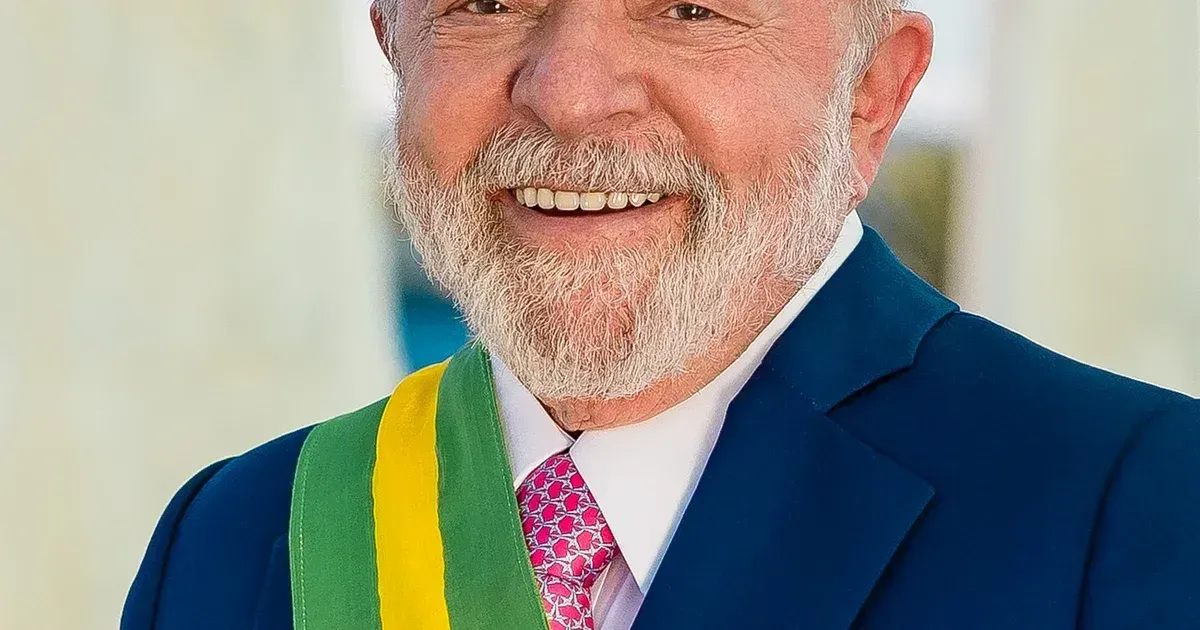
Brazil's Security Council criticism put veto power and war spending back under global scrutiny. Luiz Inácio Lula da Silva denounced the five permanent members of the UN Security Council on April 18, 2026, accusing the world’s most powerful nations of profiting from global instability. Speaking at a diplomatic forum, the president of Brazil described the current international security architecture as a mechanism that continues violence rather than resolving it. He specifically targeted the five veto-wielding powers, the United States, China, Russia, France, and the United Kingdom, for their roles as the world’s primary weapons manufacturers. Brazil has long advocated for a total overhaul of the United Nations to better reflect the geopolitical realities of the 21st century.
Critics of the current system point to the paradoxical nature of the UN Security Council, where the entities charged with maintaining peace are the same nations that dominate the global arms trade. According to recent data from the Stockholm International Peace Research Institute, these five countries account for nearly 75% of all major conventional weapons exports. Brazil argues that this concentration of military and diplomatic power creates a conflict of interest that prevents the resolution of enduring wars. Diplomats in Brasilia have indicated that the ‘Lords of War’ label reflects deep frustration with the continued paralysis of the council during humanitarian catastrophes.
International observers note that Brazil has sought a permanent seat on the council for decades, often partnering with India, Germany, and Japan under the G4 coalition. Luiz Inácio Lula da Silva emphasized that the 1945 post-war settlement no longer serves the interests of the Global South. Reform efforts have historically stalled due to the reluctance of the P5 members to relinquish their veto authority. This power allows any single permanent member to block resolutions, effectively neutralizing the will of the General Assembly. Brazil maintains that the council has lost its legitimacy because it excludes major regional powers from the decision-making process.
Brazil Targets Permanent Member Veto Power
Abuse of the veto has reached a point where the UN Security Council is unable to act on the most pressing security threats of 2026. Luiz Inácio Lula da Silva argued that the P5 nations use their status to protect their own strategic interests and those of their allies, often at the expense of international law. Records show that the veto has been exercised more than 200 times since the founding of the organization, frequently to prevent investigations into alleged war crimes. Brazil proposes a modification that would require at least two permanent members to join a veto for it to be valid. Such a change would theoretically encourage more consensus-based diplomacy among the world’s elite powers.
Economic data highlights the large scale of the military-industrial complexes within these five nations. Total global military spending reached $2.4 trillion last year, with the P5 members contributing the vast majority of that figure. Luiz Inácio Lula da Silva pointed out that the financial incentives for maintaining a state of perpetual conflict outweigh the diplomatic benefits of peace. Brazilian officials suggest that the profit motive behind arms sales directly influences the foreign policy decisions made in Washington, Moscow, and Beijing. These nations often supply opposing sides in proxy wars, ensuring a steady demand for high-tech munitions and hardware.
Domestic support for the president's confrontational rhetoric is high among the Brazilian electorate, which views the UN as an outdated colonial relic. Foreign Minister Mauro Vieira has echoed these sentiments, stating that the international community cannot continue to ignore the voices of Africa, Latin America, and Southeast Asia. Brazil has participated in more UN peacekeeping missions than almost any other non-permanent member, yet it possesses no final say in the authorization of those missions. Military commanders in Brazil have expressed concern that the current council structure leads to poorly planned interventions that destabilize regions for decades.
Global South Demands Structural UN Reform
Pressure for change is mounting within the L.69 Group, a coalition of developing countries that Brazil frequently leads on the international stage. These nations argue that the UN Charter was written by the victors of World War II to preserve their hegemony in a world that no longer exists. Luiz Inácio Lula da Silva has called for the immediate expansion of both permanent and non-permanent seats to include representatives from the African continent. Without these changes, the Brazilian leader warns that the UN faces a decline into irrelevance, similar to the fate of the League of Nations. The Brazilian delegation in New York has submitted a formal proposal for a charter review conference under Article 109.
The five permanent members of the UN Security Council are the very ones who produce and sell weapons to a world in conflict, and then they have the audacity to talk about peace while exercising a veto that protects their own interests.
Support for the Brazilian position is growing among European nations like Germany, which also feels excluded from the inner sanctum of global governance. However, the path to reform is blocked by the legal requirement that any amendment to the UN Charter must be ratified by two-thirds of the member states, including all five permanent members. This creates a circular problem where the nations benefiting from the current status quo must vote to diminish their own power. Luiz Inácio Lula da Silva has characterized this requirement as a diplomatic trap designed to ensure that the ‘Lords of War’ stay in control. Brazil remains committed to challenging this legal framework through multilateral pressure and public condemnation.
Modern Military Spending and Veto Paralysis
Paralysis on the UN Security Council has direct consequences for human security, as seen in the rising number of casualties in unchecked regional conflicts. Luiz Inácio Lula da Silva mentioned that when the P5 cannot agree, the world watches as thousands die without a coordinated international response. Brazil has stepped into this vacuum by attempting to mediate conflicts in the Middle East and Eastern Europe, often bypassing the UN entirely. These independent diplomatic initiatives represent a shift toward a multi-polar world where the traditional powers are no longer the sole arbiters of peace. Brazilian diplomats are currently working on a parallel security framework that would operate outside of the P5 influence.
Arms manufacturing remains a foundation of the economies of the permanent members, providing millions of jobs and billions in tax revenue. The United States alone accounts for roughly 40% of global arms exports, while China has rapidly expanded its market share in Africa and the Middle East. Luiz Inácio Lula da Silva argues that as long as the primary peacemakers are also the primary arms dealers, the incentive for genuine disarmament is non-existent. Brazil has called for a global tax on weapons transfers to fund humanitarian relief, a proposal that has been met with stiff resistance from the P5.
Defense contractors in those countries spend millions on lobbying to ensure that military aid packages continue to flow to conflict zones.
Luiz Inácio Lula da Silva concluded his address by reminding the audience that the UN was created to ‘save succeeding generations from the scourge of war.’ He noted that this mission is being methodically undermined by the very nations entrusted with its execution. Brazil intends to use its upcoming presidency of the G20 to further press for the democratization of international institutions. Success in this effort remains uncertain, but the rhetoric coming from Brasilia indicates that the era of passive acceptance is over. The Brazilian government currently allocates 1.1% of its GDP to defense, a figure it maintains is focused on regional stability.
Brazil Reform Demand Targets Veto Power
The Brazilian president appears to be negotiating for a better seat at the table rather than trying to abolish the current global order. The rhetoric of Luiz Inácio Lula da Silva is a calculated play for Brazilian relevance in a world that is rapidly fragmenting into competing power blocs. By labeling the P5 as ‘Lords of War,’ he critiques their ethics and signals to the Global South that Brazil is the only major power willing to speak truth to hegemony.
The maneuver transfers populism to the stage of international diplomacy and is intended to consolidate a leadership role that Brazil has craved since the 1990s. Yet, there is a fundamental hypocrisy at play here that must be addressed.
Brazil is not an innocent bystander in the global defense market. The nation boasts a sophisticated aerospace and defense industry, led by companies like Embraer, which exports military hardware to dozens of countries. While its scale does not rival the United States or China, the Brazilian government actively promotes its own arms exports as a key foundation of industrial policy. It makes the president’s moralizing about the ‘Lords of War’ ring hollow to those familiar with the balance sheets of Brazilian defense contractors. He is effectively attacking a monopoly while seeking a larger share of the market and the prestige that comes with it.
The reality is that the UN Security Council will not change because it cannot change. The P5 will never vote for their own obsolescence, and the legal hurdles to charter reform are overwhelming by design. Brazil's loud protests serve as a useful distraction from domestic economic challenges and provide a moral high ground that costs nothing to maintain. Until Brazil is willing to forgo its own military-industrial ambitions, its critiques of the world powers will remain sophisticated theater. A toothless protest. The reform argument now has a clearer diplomatic audience.