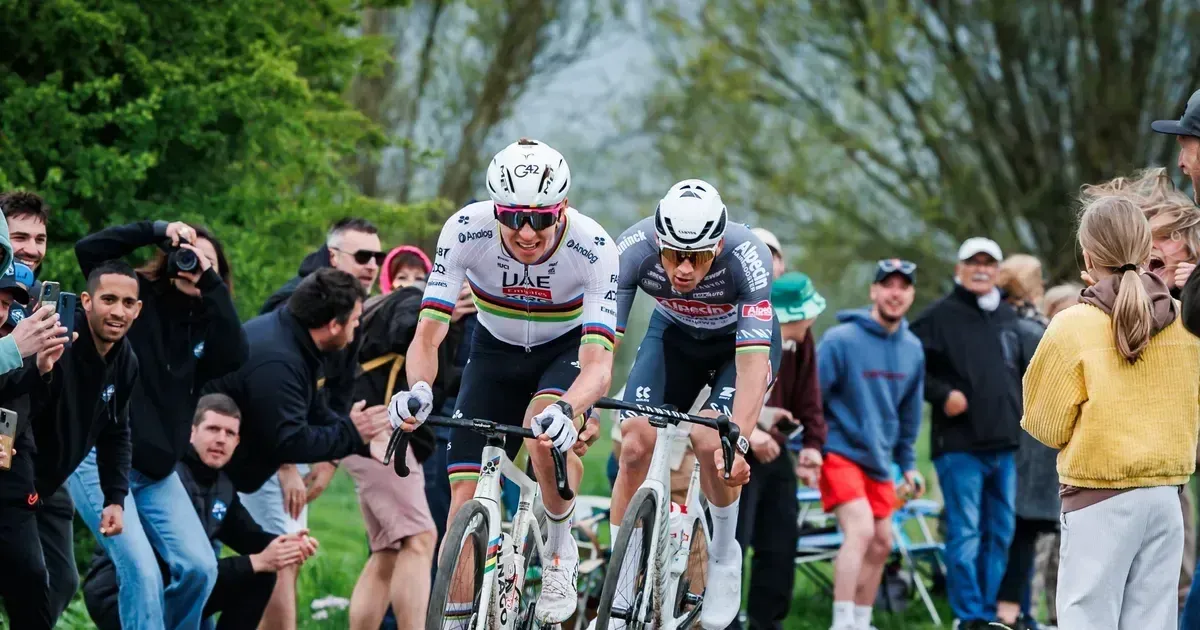
Mathieu van der Poel prepared to defend his title as the world of cycling converged on the cobblestones of northern France for the 124th edition of Paris-Roubaix. Racing through the most grueling one-day event in the professional calendar requires a blend of tactical discipline and physical resilience. Competitive tension remained high because Tadej Pogacar entered the race to challenge Alpecin-Deceuninck dominance. By April 12, 2026, fans were shifting toward digital platforms as traditional broadcast models continued to evolve into direct-to-consumer streaming.
Peacock provides the primary gateway for viewers in the United States, offering a live feed for a starting price of $11 per month. NBCUniversal maintains strict control over the American rights, ensuring that the race is a foundation of its spring sports lineup. Viewers in the United Kingdom must navigate a different landscape, where HBO Max has secured the broadcasting package for approximately £31 monthly. Accessing high-definition feeds across borders often requires sophisticated digital tools to bypass geographical restrictions that govern sports media licenses.
Global Distribution and the VPN Economy
Virtual Private Networks have become an essential tool for cycling enthusiasts who wish to access free-to-air coverage from international broadcasters. France.TV offers a thorough live stream at no cost to residents within French borders, reflecting a national commitment to keeping the race accessible to the public. Australian viewers enjoy a similar privilege through SBS On Demand, which provides full coverage without a subscription fee. These free options stand in clear contrast to the paywalled structures found in North America and Britain.
Financial Stakes for the Amaury Sport Organisation
Revenue from international media rights forms the backbone of the financial strategy for the Amaury Sport Organisation, the body responsible for Paris-Roubaix and the Tour de France. Selling exclusive access to markets like the United States allows the organization to fund the immense logistical costs of securing 250 kilometers of open roads. Maintenance of the historic cobblestone sectors requires year-round investment and coordination with local municipalities in the Hauts-de-France region. Advertising slots during the five-hour broadcast command premium prices from automotive and telecommunications sponsors. The consolidation of digital broadcast rights is reshaping the competitive landscape across international sporting events like the Champions League.
A spokesperson for the Amaury Sport Organisation stated that the goal for the 2026 season involves maximizing global reach through varied digital partnerships.
Negotiations for the current cycle of rights reflect the growing power of tech-heavy streaming platforms over traditional terrestrial networks. Market analysts observe that the consolidation of sports rights under banners like HBO Max and Peacock suggests a future where niche sports like cycling are bundled into large entertainment packages. Subscribers are essentially forced to pay for an entire ecosystem of content to access a single Sunday afternoon event. This economic reality has fueled the rise in searches for free alternatives and digital workarounds.
Technical Challenges of the Hell of the North
Course designers have maintained the brutal character of the race by including 29 distinct sectors of pavé, or ancient cobblestones. These sections cause frequent mechanical failures, requiring a large deployment of support vehicles and motorcycles equipped with mobile transmitters. Signal stability is notoriously difficult to maintain in the dense crowds of the Trouée d'Arenberg, where the canopy of trees and thousands of fans interfere with satellite uplinks. Broadcasters use a relay system involving airplanes and helicopters to ensure the live feed stays active.
Weather conditions on April 12, 2026, will dictate the technical requirements for the camera crews following the lead group. Dry conditions create thick dust clouds that can clog air filters on motorcycles and coat camera lenses, requiring constant cleaning. Rain transforms the dust into a slick, clay-like mud that makes the cobblestones nearly impossible to navigate at high speeds. Camera operators must use specialized stabilization equipment to capture clear footage while bouncing over the uneven granite blocks.
Evolution of Cycling Media Consumption
Streaming data from recent years indicates a sharp increase in multi-screen viewing, where fans watch the main broadcast while following live GPS tracking on a secondary device. Applications now provide real-time wattage, heart rate, and speed data for top contenders like Mathieu van der Poel and Tadej Pogacar. Integrating this telemetry into the live broadcast requires a sophisticated data pipeline that syncs with the video feed. Modern fans demand more than video signals; they want detailed analysis of the athletes’ performance metrics.
Interactive features on platforms like SBS On Demand and Peacock allow users to toggle between different camera angles, including views from inside the team cars. Hearing the tactical instructions from directors to their riders provides a level of intimacy previously unavailable in sports broadcasting. This transparency has helped grow the fan base outside of the traditional European heartlands of Belgium and Italy. Direct engagement through social media polls and live chats further embeds the viewer into the event narrative.
Legacy broadcasters are struggling to keep pace with these technological shifts while maintaining their traditional advertising revenue. The transition to digital-first delivery models has disrupted the standard 30-second commercial break, leading to more integrated sponsor placements within the stream. Moving forward, the value of Paris-Roubaix will be measured by television ratings as well as total engagement hours across all digital touchpoints. Media companies are betting that the unique intensity of the Hell of the North will continue to justify rising subscription costs.
Cycling Rights in the Streaming Era
The current fragmentation of sports broadcasting is a blatant tax on the loyalty of the modern fan. By siloing events like Paris-Roubaix behind multiple paywalls, media giants are trading long-term audience growth for short-term subscription spikes. This strategy is unsustainable at a time when the barrier to entry for alternative, often illicit, streams is virtually non-existent. Broadcasters are essentially daring their customers to find a way around the system, and as VPN technology becomes more user-friendly, the customers are winning.
Is a single day of racing truly worth a monthly commitment to a service the viewer may never use again? The ASO and its partners seem to think so, betting on the prestige of the cobblestones to drive renewals. However, they ignore that the younger demographic, which the sport desperately needs, has zero interest in recurring billing cycles for stagnant content libraries. If cycling wants to survive as a global spectacle, it must move toward a unified, accessible platform that prioritizes the viewer over the shareholder. Failure to do so will relegate this historic race to a niche curiosity for the elite few.
Market dominance is a temporary shield. When the cost of legal consumption exceeds the perceived value of the convenience, piracy becomes the rational choice for the consumer. The industry must adapt or fade.