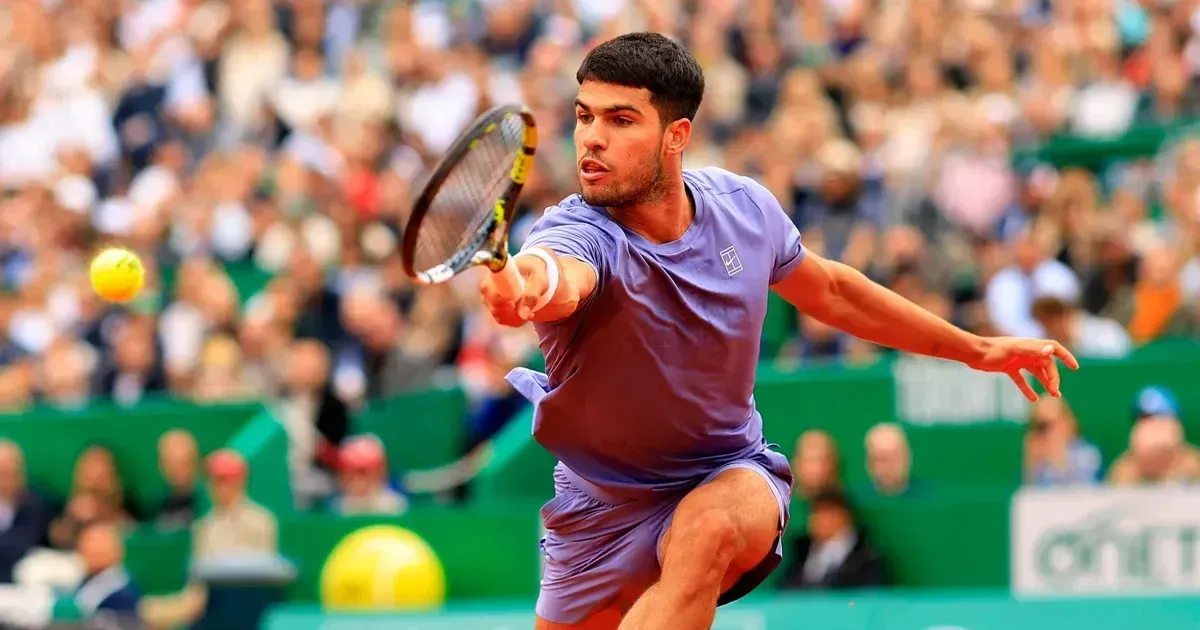
Professional tennis players have returned to Europe after a month of high-intensity hard-court competition in the United States. Global spectators now encounter a fragmented broadcast environment where access depends on geographic location or technical workarounds. Broadcasters in the U.K. and North America have implemented strict paywalls for these premier sporting events. Carlos Alcaraz is currently the world number one and the youngest man to complete a career Grand Slam. Networks tightened control over premium sports inventory on April 11, 2026. His victory at the Australian Open in January cemented his position as the leader of the new generation. This year he faces a significant challenge from Jannik Sinner, who recently secured the Sunshine Double by winning both Indian Wells and Miami without dropping a single set. Sinner aims to complete his own career Grand Slam later this season at Roland-Garros. Two stars remain on a collision course for the final rounds in Monaco.
Television rights for the Monte Carlo Masters are distributed across several premium platforms in the United States. Viewers must subscribe to the Tennis Channel or use multi-channel streaming services to watch live match play. Costs for these services vary sharply based on promotional offers and contract lengths. Sling TV requires a monthly commitment of at least $57 for sports-inclusive packages. Fubo and DirecTV offer short-term five-day free trials to attract temporary viewers for the tournament duration.
Monte Carlo Masters Tests American Streaming Budgets
Competition in the semifinals features a mix of established champions and emerging talents. Alcaraz is scheduled to face Valentin Vacherot on the red clay. Meanwhile, Sinner will confront world number three Alexander Zverev in the opposite bracket. Matches begin daily at 5 a.m. Eastern Time, forcing American fans to adjust their viewing schedules or rely on on-demand replays. Digital rights management systems prevent unauthorized viewing across international borders. Sky Sports maintains exclusive control over the broadcast in the U.K.. British fans must navigate various subscription tiers to access the full slate of ATP 1000 matches. This fragmented market forces consumers to manage multiple accounts to follow a single season of professional tennis. European viewers in France have access to select matches for free via France.tv, highlighting the disparity in media costs across the continent. International fans often seek alternative methods to bypass these regional restrictions.
Virtual private networks have become a standard tool for tennis enthusiasts traveling abroad. These services allow a user to mimic a different national IP address to access their home streaming accounts. Services like NordVPN offer thirty-day money-back guarantees to secure short-term users during the clay-court season. Digital security experts note that these tools are essential for maintaining access to paid content while crossing borders. Reliability varies depending on the specific streaming platform and its anti-VPN measures.
Champions League Access Divides European Viewers
Football fans face similar challenges as the UEFA Champions League reaches its quarter-final second legs on April 14 and 15, 2026. Paramount Plus holds the primary rights for American audiences, charging a monthly fee for live match access. By contrast, several European nations continue to offer free-to-air options for select high-profile games. RTL2 provides free coverage in Luxembourg, while TV8 serves the Italian market with complimentary broadcasts. Irish viewers can access matches through RTE2 or Virgin Media 2 without a direct subscription fee.
U.K. viewers are subject to the highest costs in the region for football coverage. TNT Sports, accessible via HBO Max, charges Sky Sports customers and other subscribers £31 per month for elite European matches. Prime Video offers one game per week to its members, adding another layer of complexity to the viewing experience. Germany and Canada have seen price increases for DAZN subscriptions, which now range from €34.99 to CA$24.99 per month. Price hikes have sparked discussions regarding the long-term sustainability of the current sports media model.
The VPN mimics the required country for your viewing device and lets you watch along for free, according to a report from Business Insider regarding modern digital access strategies.
Free broadcasts in Belgium are available via RTL Club, though these are strictly geo-blocked to residents. Accessing these streams from the United States or the U.K. requires a strong connection and a localized digital identity. ProtonVPN and other providers market their services specifically to sports fans who find themselves locked out of local coverage. Network engineers at major broadcasters continuously update their detection algorithms to block these bypass attempts.
Streaming platforms employ sophisticated geolocation software to enforce licensing agreements with sports leagues. These contracts dictate exactly where a signal can be legally viewed. When a fan attempts to access a stream from an unauthorized country, the platform displays a region-block notification. This technological barrier protects the financial interests of local rights holders who pay millions for exclusivity. VPN providers counter this by cycling through thousands of IP addresses to stay ahead of blacklists. Recent data indicates a surge in VPN usage during major tournaments like the Monte Carlo Masters. Fans argue that paying for multiple subscriptions across different countries is financially unfeasible. Broadcasters argue that bypassing these blocks violates terms of service and undermines the value of domestic rights. Legal experts suggest that while using a VPN is generally legal in most jurisdictions, it often breaches the private contracts between the viewer and the provider. No major crackdown has yet deterred the growing segment of the audience using these tools.
Reliability remains a primary concern for those using technical workarounds to watch Carlos Alcaraz or Jannik Sinner. High-definition sports streams require substantial bandwidth and low latency to avoid buffering during critical points. Cheap or free VPN services often fail to provide the necessary speed for a seamless viewing experience. Premium providers charge a monthly fee that, when added to the cost of a streaming service, can rival the price of traditional cable packages. The financial burden of being a global sports fan continues to rise each season.
Broadcast Costs Affect the Global Tennis Audience
Market analysts observe that the proliferation of niche streaming apps has led to subscription fatigue. A fan wanting to follow the entire ATP tour might need four different apps throughout the year. The complication increases when fans also follow the Champions League or other major leagues. Total monthly costs for a dedicated sports fan in London can exceed £100 when all necessary platforms are included. These prices do not account for the additional hardware required for high-quality streaming.