A chemical reaction during equipment decommissioning at Catalyst Refiners killed two workers and sent 30 people to hospitals in Kanawha County. Catalyst Refiners employees encountered a lethal gas reaction on April 23, 2026, while decommissioning equipment at a silver recovery facility in Kanawha County, West Virginia. Emergency responders arrived at the industrial site shortly after noon to find a chaotic scene involving dozens of victims suffering from respiratory distress. Local authorities confirmed that the leak claimed the lives of two workers and forced the immediate hospitalization of 30 people who were in the vicinity of the silver processing unit. Initial reports indicate that the casualties occurred during a routine tank cleaning procedure, a task that often involves the handling of hazardous industrial solvents and residual acids.
Maintenance crews were reportedly preparing to shut down substantial portions of the facility when the chemical reaction occurred. Silver recovery operations rely on complex hydrometallurgical processes to extract precious metals from industrial waste, spent film, and electronic components. These processes frequently use nitric acid or sodium cyanide solutions, both of which pose extreme risks if mishandled or mixed improperly. Investigators are currently examining whether a failure in the decontamination sequence led to the creation of the toxic cloud that swept through the work floor.
Toxic vapors quickly overwhelmed the plant, leaving little time for the staff to deploy protective gear. First responders from across the regional industrial corridor converged on the scene, establishing a decontamination perimeter to treat those exposed to the unknown gas. Hospital facilities in the Charleston area reached capacity within hours, triaging patients who arrived with severe lung irritation and chemical burns to their airways. Medical staff prioritized the most critical cases while local emergency management teams monitored air quality in the residential neighborhoods surrounding the plant.
West Virginia Chemical Leak Investigation
State and federal safety inspectors initiated a site assessment late on the afternoon of the accident to determine the exact chemical composition of the release. Preliminary evidence suggests that the workers were cleaning a large storage tank when the reaction began, potentially involving residual stripping agents and a neutralizing base. If these substances are combined without proper ventilation or in incorrect ratios, they can produce hydrogen cyanide or chlorine gas. Both substances are highly volatile and lethal in concentrated industrial settings.
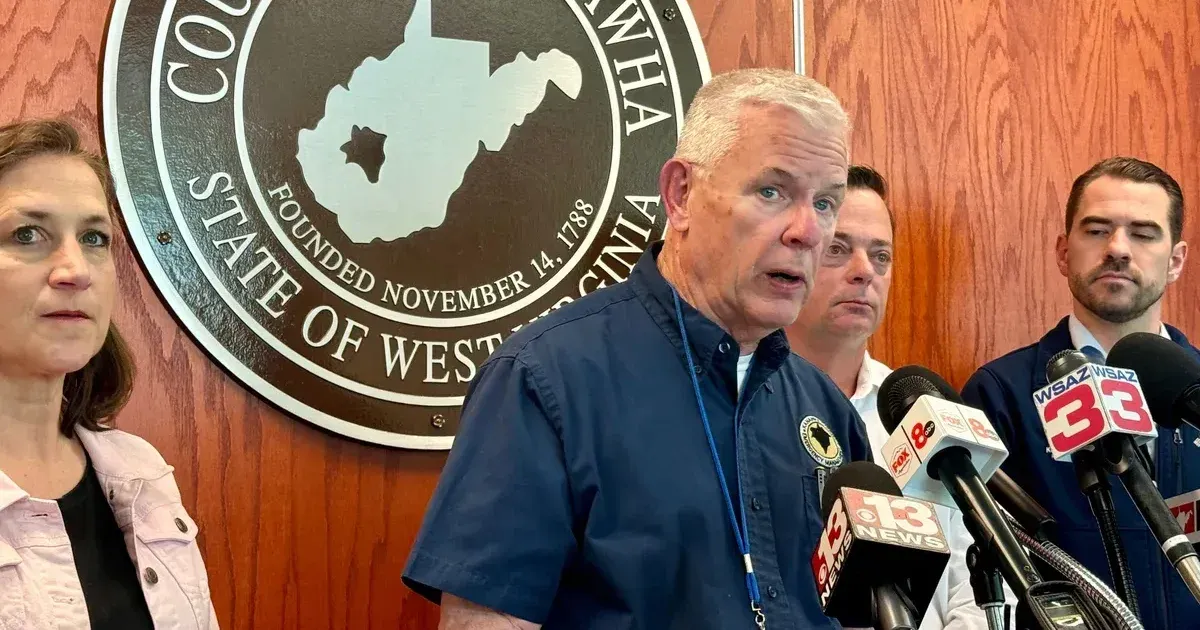
"Workers were preparing to shut down at least part of the facility when the leak occurred, causing a chemical gas reaction," an emergency management official stated.
Safety protocols at silver recovery plants require rigorous monitoring of pH levels and the use of dedicated equipment for different chemical stages. Investigators are tracing the maintenance logs to see if a cross-contamination event occurred during the cleaning cycle. Records from the Occupational Safety and Health Administration will also be scrutinized to determine if the facility had a history of ventilation issues or prior safety citations. Focus shifted quickly to the specific training provided to the contractors and staff involved in the shutdown procedure.
Industrial disasters in this region often reveal a disconnect between corporate safety mandates and the reality of high-pressure facility maintenance. Catalyst Refiners operates in a sector where margins are tight and equipment downtime is costly. Pressure to complete a shutdown quickly can sometimes lead to the bypass of incremental safety checks. Verification of atmospheric safety inside a tank is a mandatory step that must occur before any worker begins a manual cleaning process. Whether this step was performed correctly remains a central question for the investigative team.
Catalyst Refiners Operational Safety Protocols
Management at the silver recovery business issued a brief statement confirming their cooperation with all local and federal agencies. Catalyst Refiners focuses on the reclamation of precious metals from complex waste streams, a process that inherently involves high-risk chemistry. The facility employs specialized technicians trained in the handling of corrosive materials, yet the scale of this incident suggests a systemic failure in the safety barrier system. Chemical refineries typically use redundant sensor arrays to detect leaks before they reach toxic concentrations.
Deadly vapors moved through the ventilation system before any alarm could sound.
Environmental Protection Agency officials arrived on the site to evaluate potential runoff into the nearby Kanawha River. While the leak was primarily gaseous, the wash water used during the emergency decontamination process must be contained to prevent secondary contamination of the local watershed. Containment booms and vacuum trucks were deployed to capture any liquid residues that escaped the plant drainage system. Soil samples from the immediate area will be analyzed over the coming days to ensure no long-term hazardous deposits remain in the ground.
Thirty patients continue to receive treatment for varying degrees of exposure at local trauma centers. Doctors noted that the inhalation of industrial gases can lead to delayed pulmonary edema, a condition where the lungs fill with fluid hours after the initial exposure. This requires long-term observation for even those victims who initially appeared stable. Families of the deceased have been notified, though the identities of the two victims are being withheld pending a formal coroner report. Community leaders expressed concern over the proximity of such high-risk industrial operations to densely populated residential zones.
Chemical Valley Industrial Hazard Profile
Kanawha County has long been known as a hub for the American chemical industry, hosting dozens of refineries and processing plants. This density creates a unique set of risks for the workforce and the public alike. Aging infrastructure in many of these facilities increases the likelihood of mechanical failure during routine maintenance. Frequent shifts in ownership and corporate restructuring can also lead to inconsistencies in safety training and facility knowledge. Long-time residents are familiar with the risks, yet the scale of the Catalyst Refiners event has revived debates over industrial zoning and oversight.
Safety is frequently the first casualty of a facility decommissioning schedule.
Technicians involved in silver recovery must manage a delicate balance of chemistry to ensure both efficiency and safety. Any deviation from the established sequence of chemical additions can result in an exothermic reaction, generating heat and pressure that the storage vessels may not be designed to contain. In this instance, the reaction was powerful enough to release a large volume of gas into the workspace almost instantaneously. This suggests a high-energy interaction between incompatible materials rather than a slow, manageable leak.
Future operations at the site are currently suspended until a full forensic engineering report is completed. Federal investigators will likely remain on-site for several weeks to interview survivors and review digital sensor data. The outcome of this investigation will determine if criminal negligence charges are warranted or if the event was an unpredictable industrial accident. Until then, the community remains on edge as it mourns the loss of two neighbors and monitors the recovery of dozens more. Catalyst Refiners faces substantial legal and regulatory hurdles as it attempts to explain the breakdown in its containment strategies.
Catalyst Leak Exposes Industrial Safety Failures
West Virginia lawmakers have effectively signed a liability waiver for any corporation willing to build on the banks of the Kanawha River. The tragedy is not an isolated incident of bad luck; it is the predictable outcome of a regulatory environment that prioritizes industrial throughput over the lives of the Appalachian workforce. The region has spent a century trading its health for blue-collar stability, yet the benefits of this deal continue to evaporate as corporate profits are exported while the toxic residues stay behind.
Does the state actually possess the political will to penalize a major employer? History suggests that the fines will be negligible, a mere cost of doing business that pales in comparison to the revenue generated by precious metal reclamation. The silver recovery industry operates in the shadows of the broader chemical sector, escaping much of the public scrutiny leveled at larger oil and gas entities. The lack of transparency creates a vacuum where safety standards can erode without immediate consequence. Industrial safety must become a non-negotiable requirement for operation, not a flexible guideline for facility managers. If Catalyst Refiners cannot demonstrate an absolute ability to contain its own chemical reactions, it has no right to operate in a populated county. Anything less than a total overhaul of state-level oversight is a betrayal of the workers who were killed on the job.