
Tehran Allows Malaysian Vessels to Exit Persian Gulf
Iran permitted Malaysian-linked vessels to exit Persian Gulf waters, but the episode kept attention on shipping risk near Hormuz.
Showing 349-360 of 533 articles
Iran permitted Malaysian-linked vessels to exit Persian Gulf waters, but the episode kept attention on shipping risk near Hormuz.

Japan's finance minister warned that sharp yen moves could require bold action, putting traders on alert for possible market intervention.
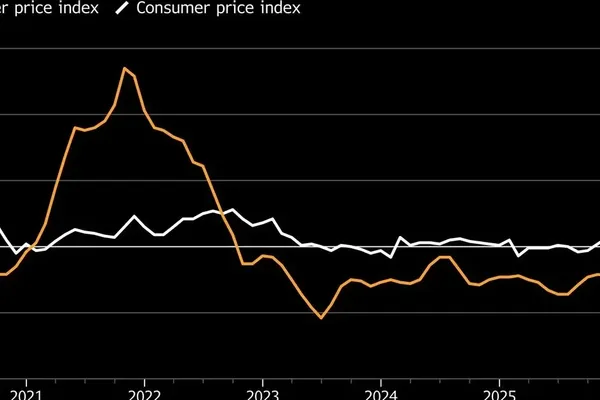
China's industrial profits rose 15 percent in early 2026, signaling manufacturing resilience despite oil-price and margin risks.

UK and European bond yields rose as investors sold government debt, raising borrowing-cost concerns across markets and households.

Federal Reserve Governor Parisa Miran argued that improved liquidity backstops could allow another $2 trillion in balance-sheet reduction.
Michael Barr argued for keeping interest rates steady while the Federal Reserve studies inflation pressure and geopolitical risk.
Snake River Farms and Samsung accessory sellers are benefiting from a premium-shopping trend built around reviews, niche features and affluent buyers.
Trump delayed planned strikes on Iranian energy assets for ten days as market volatility and oil risk began shaping the pace of foreign policy.

Population losses across many US counties are sharpening debate over immigration enforcement, labor supply and the economic cost of demographic slowdown.
Trump claimed Iran allowed oil tankers through Hormuz to avoid war, but unclear shipment numbers left markets and diplomats parsing the signal.

Investors watching the Middle East on March 26, 2026, reacted with alarm as oil prices surged. Brent crude climbed to $106 per barrel during morning.
The Iran war pushed US mortgage rates higher as energy shocks, inflation fears and bond-market volatility hit homebuyers.