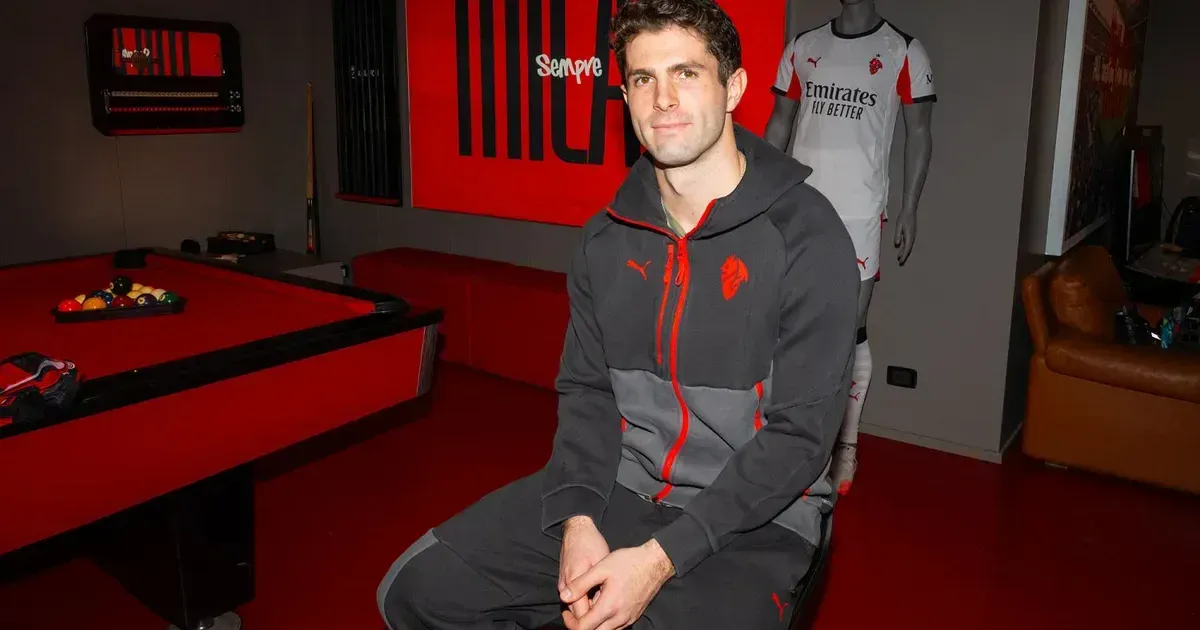
Christian Pulisic enters the United States' World Cup opener as the most visible attacking figure on a roster built for a home tournament. The USMNT begins Group D against Paraguay at Los Angeles Stadium in Inglewood, California. The match is scheduled for June 12, 2026, with the host nation trying to turn eight years of roster rebuilding into a controlled opening performance. A win would not settle the group, but it would lower the pressure before matches against Australia and Turkiye.
The story is bigger than one forward, even if Pulisic will absorb much of the attention. U.S. Soccer's final list includes 26 players, with veterans from the 2022 World Cup joined by newer pieces selected under Mauricio Pochettino. That mix gives the team more tournament experience than it had after the missed 2018 cycle. It also creates a sharper standard: playing at home means the United States will be judged by advancement, not by effort alone.
Group D Starts With a Physical Test
Paraguay is not a comfortable opening opponent. The South American side can compress space, slow tempo and punish loose passes with direct counters. That profile matters because the United States wants to press high without leaving its center backs exposed. The first twenty minutes may show whether the hosts can play with energy without turning the match into a transition contest.
The official schedule places the United States in a group with Paraguay, Australia and Turkiye. That makes the opener a leverage match rather than a ceremonial start. Three points would give Pochettino room to manage minutes later in the group. A draw would keep the path open but raise the stakes around Australia, while a loss would turn every lineup decision into a national debate.
Christian Pulisic's attacking role is likely to determine how often the United States can break Paraguay's first defensive line. He can receive wide, cut inside or draw fouls near the box, but the team cannot rely on him to solve every possession alone. Folarin Balogun, Tim Weah, Weston McKennie and Tyler Adams all have to give the attack enough balance to prevent Paraguay from loading one side of the field.
The U.S. staff also has to manage emotion. A World Cup opener at home brings noise, sponsor obligations and family attention that can make the week feel larger than the match itself. Pochettino has stressed calm preparation, and that message fits the tactical need. The United States cannot afford a frantic opening that creates chances for Paraguay before the hosts settle into the ball.
Pulisic Carries the Visibility, Not the Whole Burden
The strongest version of this team does not treat Pulisic as a rescue plan. It uses him as the first pressure point in a wider structure. USMNT roster depth has improved since the last cycle, especially with more players accustomed to European club pressure. That depth has to show in second balls, defensive recovery runs and set pieces, not only in the highlight sequence that produces a goal.
Paraguay's defensive approach makes dead-ball quality important. Corners, free kicks and second-phase rebounds can decide a match in which open-play chances arrive slowly. The United States has enough size to threaten those moments, but delivery and positioning must be cleaner than they were in some pre-tournament tests. A home crowd can help sustain pressure; it cannot organize the box.
Goalkeeper selection and defensive spacing will also shape the opener. The United States can expect long periods when its back line holds the ball near midfield, searching for a clean pass through compact pressure. Those moments require patience from fullbacks and midfielders who may be tempted to force early service into crowded areas. Paraguay will welcome rushed crosses if they become predictable.
The match also links to a larger tournament narrative already visible around North America. Mexico opened the World Cup conversation with its own host-nation spotlight, and the United States now faces a similar question: whether celebration can become performance. The broader World Cup opener atmosphere gives the hosts momentum, but Group D will be decided by discipline.
The bench matters for the same reason. Tournament openers often change after the hour mark, when heat, nerves and tactical caution begin to stretch the field. Pochettino has enough attacking options to alter tempo without abandoning structure, but substitutions have to fit the match state. Chasing a goal, protecting a lead and managing a draw all require different versions of the same roster.
Group D qualification pressure makes this a measured test rather than a coronation. The United States has enough talent to control stretches of the match, but Paraguay has the defensive habits to make control feel unrewarded. If Pulisic creates early danger and the midfield protects against counters, the hosts can start the tournament on their terms. If the match becomes impatient, the home opener could become much harder than the ranking gap suggests.