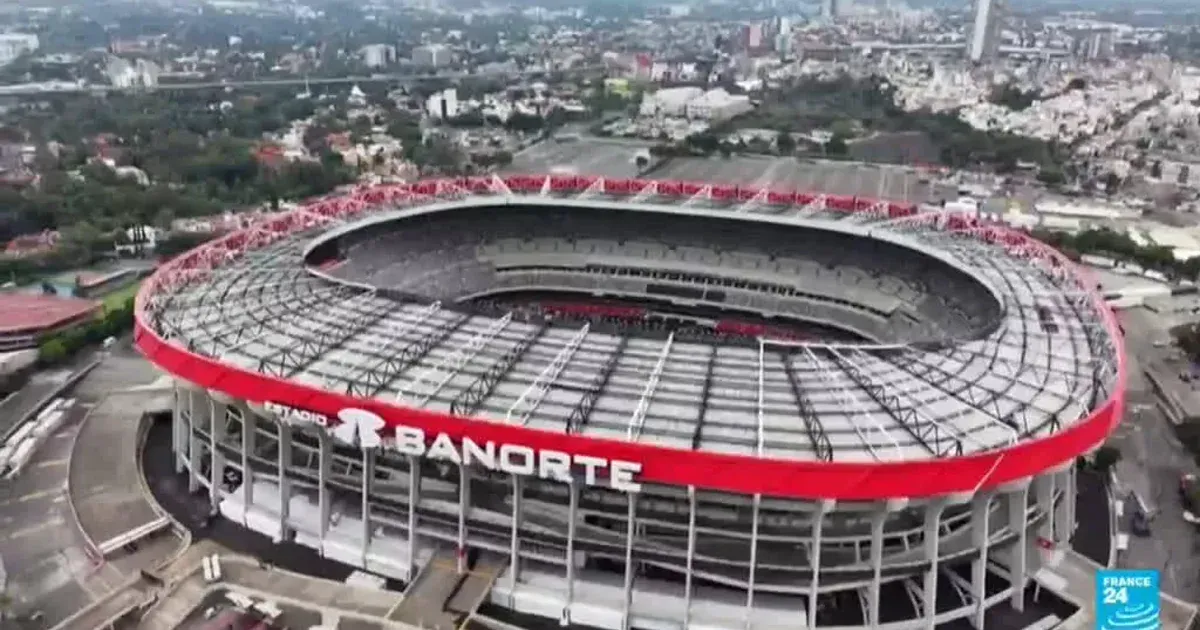
Mexico City is preparing to host the first match and opening ceremony of the 2026 World Cup while local unions and activists threaten demonstrations around the stadium. The June 11, 2026, kickoff gives Mexico the first stage in a tournament shared with the United States and Canada.
The event is larger than any previous World Cup. A 48-team field and 104-match schedule have expanded the tournament's commercial reach, broadcast value and logistical complexity. That scale is also why the opener has become a flashpoint for debates over public spending, fan access and security.
Supporters arriving in the capital are encountering two stories at once: a celebration of football's global reach and a local argument over who pays for the spectacle.
Security Plans Face Protest Pressure
Authorities have established security corridors around the stadium, transport hubs and fan zones. Union groups have said they plan to use the opening match to draw attention to labor conditions and the diversion of public resources toward tournament infrastructure.
City officials are trying to keep team routes and spectator areas open without turning the event into a display of force. That balance is delicate. Heavy policing can protect movement, but it can also sharpen the image of a tournament insulated from the residents hosting it.
The political stakes are higher because opening ceremonies are designed for television. Any disruption in Mexico City would travel instantly across global broadcasts and set the tone for the rest of the North American tournament.
Ticket Prices Shape the Backlash
The strongest complaint from fans concerns ticket prices. Reports of elevated primary and secondary-market prices have reinforced the view that the expanded World Cup is becoming less accessible to ordinary supporters. FIFA and local organizers see the larger format as a commercial opportunity, but that same logic risks making the event feel remote from local football culture.
France 24 reported that the tournament has faced controversy over high ticket prices, with critics accusing FIFA of artificial inflation.
The price argument is not only about the opener. With more teams and more matches, organizers have more inventory to sell, more hospitality packages to market and more broadcast hours to monetize. For fans, the question is whether expansion creates broader access or simply a larger premium product.
Local businesses are divided. Hotels, restaurants and transport operators expect a major boost, while some residents see the tournament as a temporary disruption that raises prices without solving daily problems.
Three Hosts Add Logistical Complexity
The 2026 tournament stretches across three countries, multiple time zones and a wide range of security systems. Mexico, the United States and Canada must coordinate border movement, team travel, policing, media operations and fan services under a single FIFA framework. Mexico City carries symbolic weight because it opens the tournament. The first match will show whether crowd control, transport planning and stadium operations can handle pressure before the schedule spreads across the continent.
Organizers have also built entertainment into the opening identity. Shakira is expected to headline the Mexico City ceremony, while separate ceremonies in the United States and Canada will allow each host country to mark its role in the event.
Broadcast Scale Raises the Stakes
The media structure reflects the size of the tournament. Fox and NBCUniversal hold major U.S. broadcast rights, giving the 104-match schedule a broad English- and Spanish-language platform. Advertisers expect the expanded field to generate more inventory and more peak viewing moments.
That commercial success will not settle the local argument. Broadcast revenue can make the tournament profitable for rights holders and football bodies while residents still question whether the city received a fair return.
The opener therefore becomes a test of legitimacy. If the ceremony feels smooth and the protests stay controlled, organizers can argue that the model works. If unrest dominates the images, the first night will underline the tension between global sport and local consent.
Opening Night Carries a Wider Message
The North American World Cup is being sold as a shared continental project. Mexico City will show whether that idea can survive first contact with street politics, ticket anger and security pressure.
The tournament's strategic risk is not that one protest cancels a match. It is that fans and residents begin to see the event as a corporate platform rather than a public celebration. That perception can damage the legacy long after the final whistle.
For organizers, the practical task is clear: keep the opener safe, make access feel credible and avoid treating local frustration as a public-relations inconvenience. The first night will not decide the entire World Cup, but it will reveal whether the expanded format can carry its commercial ambition without losing the people it claims to include.