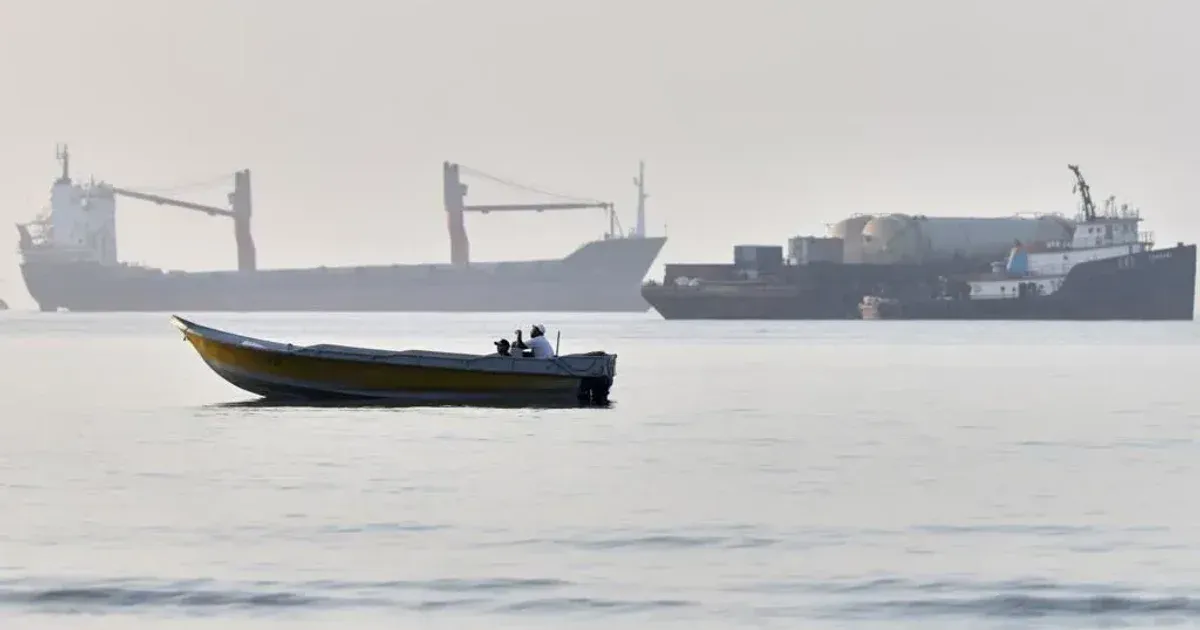
A second wave of U.S. strikes on Iranian military targets has pushed the Gulf crisis into a more dangerous phase. Iranian officials answered with threats around the Strait of Hormuz, turning a military exchange into an immediate concern for oil traders, shipping insurers and regional governments. On June 11, 2026, U.S. officials described the operation as a response to continuing Iranian attacks and military activity across the region.
The most important uncertainty is what the Hormuz threat means in practice. Tehran has used state media and military channels to warn that vessels could be targeted if they attempt passage under hostile conditions. U.S. Central Command has also signaled that commercial and military traffic was still being monitored, which leaves the situation tense rather than settled.
The Strait of Hormuz is not just another waterway in a regional conflict. It is the narrow route through which a large share of Persian Gulf oil and liquefied natural gas reaches global markets. Even a partial disruption can raise insurance costs, delay cargoes and force buyers to pay more before any physical shortage is confirmed.
Military Pressure Moves Into Shipping Risk
The Pentagon framed the latest strikes as an effort to degrade Iranian military capacity. Reports from the region pointed to targets linked to radar, command infrastructure and missile or drone operations, though full battle damage assessments remained incomplete. That matters because early claims in a fast-moving conflict can harden into assumptions before independent verification catches up.
Tehran's response carried a different kind of leverage. By threatening traffic near Hormuz, Iran sought to make the cost of U.S. military action visible far beyond the battlefield. Energy markets react to that kind of signal because tankers, insurers and refiners cannot wait for perfect clarity before adjusting risk.
Shipping firms were already watching route guidance, naval warnings and insurer notices. Some vessels can wait outside the Gulf, but many exporters have limited alternatives if the strait becomes unsafe. Pipelines can move some crude around the chokepoint, yet they cannot fully replace normal maritime flow.
"Any vessel that will attempt passage will be shot at," Iranian military command said in a state-media broadcast.
That warning should still be treated with caution. A declared threat, a selective attack and a physically enforced closure are different realities. The danger is that crews, commanders and markets may react to the most severe interpretation before governments can clarify what is actually happening on the water.
Oil Markets React Before Diplomacy Catches Up
Brent crude and related fuel contracts moved higher as traders priced in a wider risk premium. The market does not need a confirmed long-term shutdown to react; the possibility of delayed cargoes, higher insurance and tanker rerouting can be enough to push prices. That is why Hormuz threats often travel quickly from military desks to consumer inflation forecasts.
For Washington, the pressure cuts both ways. The administration wants to show that attacks on U.S. forces and partners will carry a military cost. At the same time, a prolonged energy shock could become a domestic political problem and strain allies that depend on Gulf exports.
Regional governments have their own exposure. Gulf states need maritime stability, but they also have to manage the risk of Iranian retaliation against ports, air bases and energy infrastructure. Several capitals are likely to support deterrence publicly while pressing privately for a ceiling on escalation.
What Could Change Next
The next signals will come from three places: official navigation advisories, verified tanker movement and any new military action around Gulf bases or Iranian coastal batteries. If ships continue to transit safely, the crisis may remain a severe threat rather than a full blockade. If vessels are hit or detained, the economic and military stakes rise sharply.
Another question is whether diplomacy can restart while bombs are still falling. Public threats can make compromise harder because leaders fear looking as if they yielded under pressure. That dynamic increases the value of quiet channels, even when both sides are speaking publicly in absolute terms.
Pete Hegseth and other U.S. officials have argued that force is needed to stop further Iranian aggression. Critics will focus on legal authority, escalation control and whether the strikes create a larger war than the one they were meant to contain. Both arguments will intensify if oil prices continue to climb.
Hormuz Turns Military Pressure Into Global Cost
The strategic danger is that the conflict has moved from a contest over targets to a contest over endurance. Washington can hit military infrastructure, but Tehran can try to make the economic cost of those strikes visible to every importer that depends on Gulf energy. That gives the confrontation a global audience and a shorter fuse.
If Hormuz remains only threatened, the crisis still damages confidence by forcing markets to price in worst-case scenarios. If the waterway becomes unsafe for real traffic, the pressure shifts from military messaging to economic emergency management. In either case, the next few days will test whether deterrence can be restored without turning a regional war into a broader shock for shipping, fuel and allied security planning. Energy traders will also watch tanker insurance and naval advisories for signs that Hormuz risk is becoming a pricing floor. That could keep oil elevated even without a full closure.