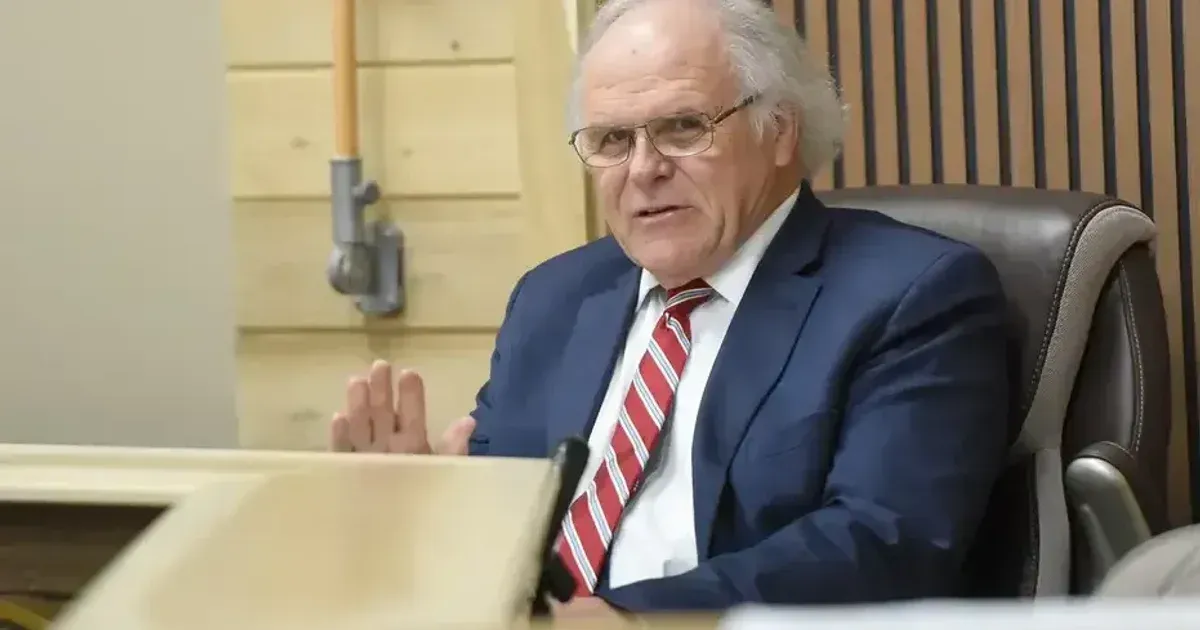
Cohutta Town Council voted to reinstate the town's police department two days after Mayor Ron Shinnick abruptly dissolved the force. The emergency vote restored all 10 employees and authorized back pay for the missed shifts in the small North Georgia town. At the May 8, 2026, meeting, a standing-room-only crowd signaled that residents viewed the dispute as more than an internal personnel fight. The reinstatement also leaves residents asking how much authority a mayor can exercise over policing without sustained council support.
The dispute left a community of roughly 1,000 residents without its regular local patrol force for about 48 hours. In a town that small, losing the entire department does not simply change administrative charts; it changes who answers calls, who knows local disputes and who is visible on the streets. During that gap, the Whitfield County Sheriff's Office provided coverage, but council members moved quickly after residents and officers questioned whether the mayor had authority to eliminate the department on his own.
A notice posted on the police department door earlier in the week said the department had been dissolved and its personnel terminated. The abrupt language intensified public concern because it appeared to turn an internal town dispute into an immediate public safety problem.
Council Restores Police Department
Vice Mayor Shane Kornberg told the Associated Press that the council voted to bring the officers back with back pay. The action did more than reverse the firings. It reasserted council oversight over a department that residents rely on for routine policing, traffic response and local emergencies.
The underlying conflict involved complaints related to Pam Shinnick, the mayor's wife and former town clerk. Local reporting said officers had objected to her continued access to town systems after her departure, while the mayor's camp framed the conflict differently and pointed to the conduct of officers. Officers had raised concerns about access to town systems and sensitive information after her employment ended. The mayor's decision to dissolve the department came after weeks of friction around those complaints and the town's internal handling of them.
Chief Greg Fowler and town attorney Bryan Rayburn had previously appeared with officials to say the dispute was being managed. The sudden dissolution showed that the earlier attempt at mediation had not resolved the deeper conflict between the mayor's office and police staff.
The council's reinstatement vote created an immediate stabilizing effect. It also limited the practical damage from the mayor's action before longer legal questions could harden into lawsuits or a permanent service gap. It returned officers to duty, restored a chain of command and reduced the burden on county deputies who had stepped in while the town sorted out its legal and political fight.
Mayor's Authority Under Review
Council members also moved to protect the reinstated officers from further mayoral action for 30 days while the town reviews what happened. That temporary shield gives Cohutta time to examine the charter, personnel rules and any limits on the mayor's authority over department staffing. It also gives officers a measure of stability while the town determines whether the earlier termination notices had any legal force.
The council tabled a proposal related to removing Shinnick from office, keeping that fight separate from the immediate public safety decision. That sequencing prevented the reinstatement vote from becoming trapped inside a larger showdown over the mayor's future. That choice suggests local leaders wanted to restore policing first, then decide how far the political consequences should go.
Legal exposure remains possible. If officers argue that they were improperly terminated, Cohutta could face employment claims, legal fees and pressure to clarify who controls essential services. The council also has to decide whether temporary protection for the officers is enough or whether the town charter needs a clearer process for any future department-level personnel action. The town also has to address whether access to municipal records was properly restricted after the former clerk left her job.
Cohutta Must Clarify Who Controls Essential Services
The core question is whether a municipal executive can unilaterally dissolve a taxpayer-funded police department without council approval. The council's action suggests it believes public safety departments are not discretionary offices that can be eliminated during a personnel dispute.
Small towns often operate with informal relationships and limited administrative staff, but that makes process more important, not less. When one decision can remove every local officer from duty, procedure becomes the public's main protection against personal conflict turning into a service collapse. When personal conflict touches police staffing, employment records or access to resident information, the town needs clear rules that protect both public safety and due process.
Cohutta's next month will determine whether the reinstatement is a short-term truce or the start of a larger governance overhaul. The public pressure at the emergency meeting suggests residents expect more than a quiet return to normal. Residents now have their police department back, but the fight over authority at town hall is not finished.