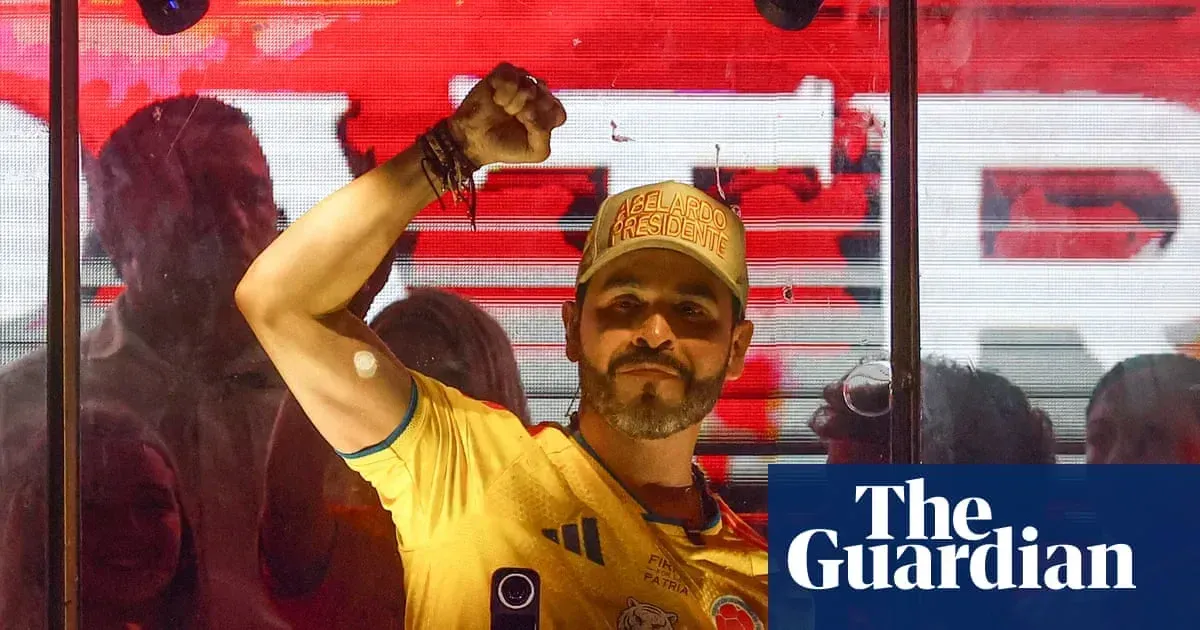
Colombia’s presidential runoff has turned the country’s peace policy into the central question on the ballot, with voters choosing between two sharply different responses to armed groups and rural violence. The result could determine whether Colombia keeps investing political capital in negotiations or gives security forces a stronger mandate to confront armed factions directly. On June 21, 2026, the contest between Iván Cepeda and Abelardo de la Espriella is being watched as a possible turning point for the post-FARC era.
The Guardian reported that the election could reshape Colombia’s approach to its decades-long armed conflict. Cepeda, a leftist senator aligned with President Gustavo Petro’s “total peace” strategy, faces De la Espriella, a far-right lawyer who has promised a tougher security line and an end to broad negotiations with armed factions.
Colombia’s runoff election matters because the vote is not only a change of leadership. It is a referendum on whether the state should keep negotiating with armed groups, narrow the dialogue to selected actors or return to a more militarized campaign to regain control in contested regions. That choice affects not only national strategy but also the daily security of rural leaders, Indigenous communities, farmers and transport routes exposed to armed pressure.
Peace Policy Is the Main Divide
Petro’s “total peace” approach has sought talks with guerrillas, criminal organizations and other armed groups, but violence has remained severe in parts of the country. The policy’s defenders say negotiations take time; its critics say armed groups have used talks to consolidate territory and bargaining power. Critics argue that negotiations have not delivered enough security, while supporters say abandoning talks could deepen cycles of retaliation.
De la Espriella’s campaign has leaned into frustration with insecurity. The Guardian described him as a far-right contender who opposes Petro’s peace plan and favors a harder state response, including intensified military action and efforts to retake territory from armed groups.
The runoff asks whether Colombia’s next government should bargain with armed actors or try to defeat them first.
Cepeda’s position is rooted in a different reading of the conflict. As a senator and longtime human rights advocate, he has argued that durable security requires political solutions, protections for communities and attention to the conditions that allow armed groups to recruit and govern locally.
The challenge for Cepeda is that peace language can sound abstract in towns where extortion, displacement and armed checkpoints are immediate realities. The challenge for De la Espriella is that a military-first promise can sound decisive without explaining how to avoid repeating past abuses. That tension is why the campaign’s security language will have to become operational policy almost immediately after the vote.
Paramilitary History Shadows the Vote
The Guardian also reported that Colombia’s paramilitary past hangs over the runoff. That history is not a campaign footnote; it is part of how many voters understand security promises, land disputes and the relationship between elites, armed groups and state power.
Iván Cepeda and Abelardo de la Espriella represent more than two party labels. Cepeda’s family history is tied to political violence, while De la Espriella’s legal career and hardline message have drawn scrutiny from critics worried about a return to older forms of coercive politics.
The race is taking place after a first round that left the country divided over whether social reforms, anti-crime policy or economic anxiety should define the next presidency. Justice for Colombia noted that the second round followed a preliminary first-round result that pushed the contest into a direct runoff.
For rural communities, the stakes are practical. Campaign language in Bogotá can translate into checkpoints, crop-substitution deadlines, school closures, troop deployments and the risk that community organizers become targets. A new administration could change the future of ceasefires, coca-substitution programs, talks with armed groups, military deployments and the protection of local leaders who face threats after speaking out.
The Winner Inherits a Narrow Mandate
Whichever candidate wins will inherit a country where security policy cannot be separated from poverty, land control and trust in institutions. A hardline turn may satisfy voters who want order, but it will still require prosecutors, courts and social services that can hold territory after soldiers arrive.
A continuation of peace talks may preserve diplomatic channels, but it will need clearer results than Petro’s critics believe they have seen. Communities under pressure will judge negotiations by whether violence falls, not by the number of meetings announced in Bogotá. The runoff’s importance is that it could reset the rules of Colombia’s conflict policy in one day. The next president will have to show that a campaign promise can become security without sacrificing accountability, because the country has already paid heavily for strategies that offered one without the other.