The warning landed before shipping data could confirm any durable closure. That gap between claim and evidence became the center of the story. Iran’s claim that it was closing the Strait of Hormuz has turned a fragile diplomatic opening with the United States into a test of credibility, leverage and regional control. On June 20, 2026, the dispute also became a test of how quickly markets and governments can separate maritime facts from political warning shots. U.S. officials disputed whether the vital waterway was actually closed, while shipping and security watchers looked for signs that Tehran’s warning had moved beyond messaging. The uncertainty is itself a tool: governments, insurers, oil traders and naval commanders have to react before they know whether the claim is symbolic, temporary or the start of a more aggressive posture.
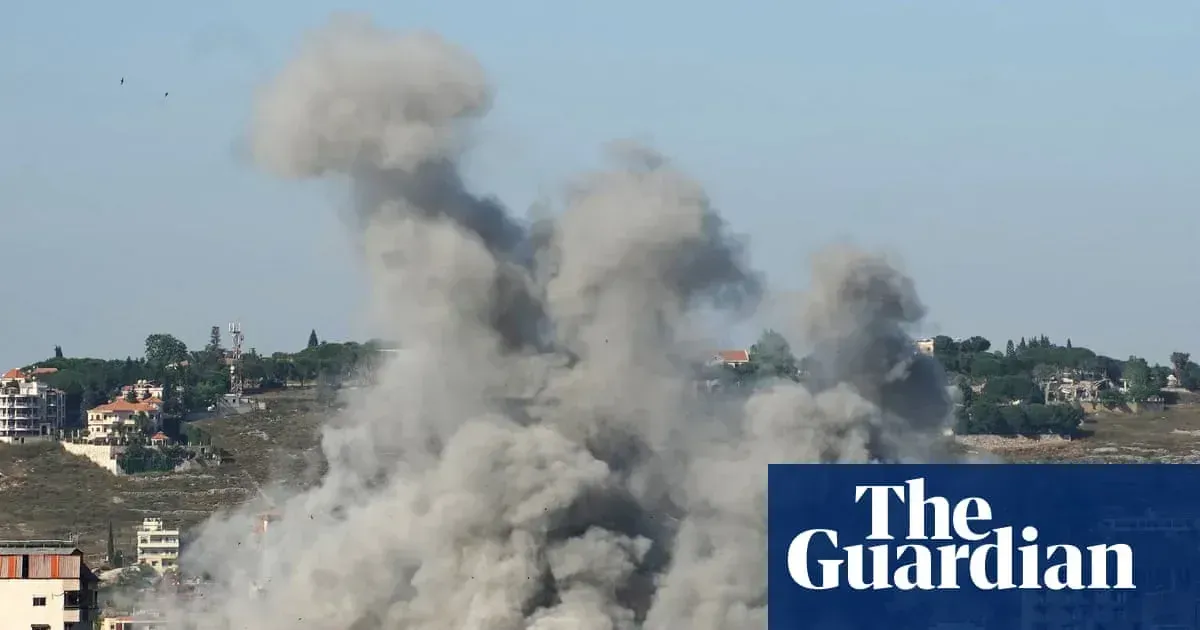
The announcement followed renewed Israeli strikes in Lebanon and came as U.S.-Iran talks were being prepared in Switzerland. That overlap makes the claim harder to treat as an isolated maritime dispute, because it appeared at the same moment negotiators were trying to keep a fragile interim deal alive. The Guardian, Axios and Al Jazeera reported that Iran framed the closure claim as a response to alleged violations of a recent understanding tied to regional de-escalation.
The Hormuz closure claim matters because the strait is both a physical chokepoint and a diplomatic pressure point. Even if tankers keep moving, a credible threat can raise insurance costs, unsettle energy markets and force negotiators to deal with maritime security before they can focus on nuclear terms.
Claim and Reality Are Different Tests
A declared closure is not the same as an enforced closure. The Guardian reported that U.S. Central Command disputed the idea that the strait had been shut, while other reporting pointed to continued commercial movement through the waterway.
That distinction is central. A government can declare a red line for political effect, while the actual maritime picture depends on ship movement, naval warnings, port decisions and what private operators believe is safe. Tehran can use the announcement to signal displeasure and pressure Washington without immediately taking the military steps that would risk a wider confrontation. Washington can answer by highlighting traffic data and refusing to treat the claim as an operational fact.
The standoff is partly about ships in the water, but it is also about who gets to define the crisis.
The danger is that signaling can still create its own momentum. A handful of rerouted tankers or higher insurance quotes can create a market story that officials then have to manage, even if no formal blockade is visible. If commercial operators reroute, insurers raise premiums or naval forces increase patrols, the market may react even before a formal blockade exists.
For Iran, the threat preserves leverage. For the United States, the response has to avoid both panic and complacency, because dismissing the claim too quickly could look weak if conditions change later.
Lebanon Violence Complicates the Deal
Iran linked the warning to Israeli strikes in Lebanon, according to the reports. That makes the issue harder to contain because Israel and Hezbollah are not simply side topics in a U.S.-Iran nuclear conversation; they are part of the regional environment that can make any deal collapse.
Strait of Hormuz traffic is therefore becoming a proxy for the broader agreement. If Iran says the deal has been violated and the United States says maritime movement is normal, both sides are arguing over enforcement before the larger terms are even settled. That is a poor foundation for a nuclear framework that will need trust in inspectors, shipping exemptions and sanctions implementation.
The timing is awkward for Washington. Vice President JD Vance’s trip to Switzerland gave the talks political weight, but it also meant any new flashpoint would be read as a direct challenge to the administration’s ability to manage Tehran.
For Tehran, linking Hormuz to Lebanon gives the government a regional rationale for pressure. It also risks making the talks hostage to events that negotiators in Switzerland do not fully control.
Markets Need Facts, Not Slogans
The most important near-term question is practical: are vessels moving, are naval warnings changing behavior and are insurers treating the route as materially riskier? Those signals will matter more than competing public statements.
The diplomatic question is whether the two sides can create a channel for maritime deconfliction while nuclear talks continue. Without that, every headline from Lebanon, the Gulf or Switzerland can become another reason for the interim deal to fray. The Hormuz claim may still prove to be coercive rhetoric rather than a full closure, but the episode has already shown how brittle the new diplomatic opening is. A deal that cannot absorb one regional shock will struggle to survive the longer negotiation ahead. The immediate burden is therefore practical as much as diplomatic: keep ships moving, keep military channels open and keep the nuclear table from being consumed by every regional escalation.