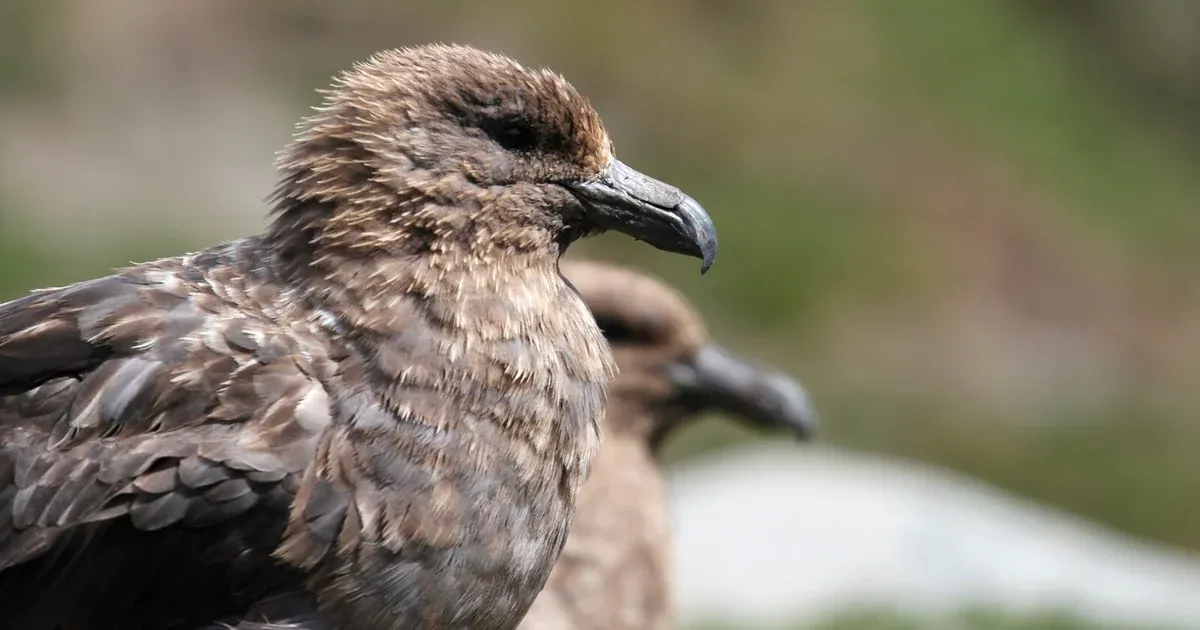
Australia has confirmed its first detection of H5 highly pathogenic avian influenza in a wild bird, ending a long period in which the country had largely avoided the globally circulating strain. The finding has triggered surveillance, reporting warnings and a wider biosecurity test for wildlife and agriculture officials.
The Australian government announced the detection on June 20, 2026, saying CSIRO confirmed the virus in a brown skua found in Western Australia. Officials said the case involved a migratory seabird and that no infections had been found in poultry.
Australia's H5 bird flu detection matters because the virus has already disrupted bird populations and poultry systems in many parts of the world. Australia's isolation and strict biosecurity had helped delay its arrival, but migratory birds can cross the borders that farms and airports control. That is why a single wild-bird detection can matter even before there is evidence of farm spread. It changes the national risk posture from prevention at the border to surveillance inside the country.
Wildlife Surveillance Becomes the First Test
The first confirmed case being in a wild seabird shapes the response. A seabird detection points officials toward coastlines, migration routes and carcass surveillance rather than only farm gates. That makes coordination with wildlife officers, local councils and beach communities more important. Officials are not only watching farms; they are also asking the public and field teams to report sick or dead birds so authorities can map whether the detection is isolated or part of wider spread.
The Department of Agriculture said the public should not touch sick or dead birds and should report them through official channels. That instruction is practical, not just cautious. If members of the public handle carcasses, they can expose themselves, move contaminated material or make it harder for officials to collect clean samples. A simple reporting habit can therefore become part of the response system. Early samples help officials understand location, species risk and whether the virus is moving into more sensitive environments.
The first question is not whether Australia can keep every wild bird from exposure, but whether it can detect spread fast enough to protect farms and vulnerable species.
The Guardian reported that the government described the finding as concerning but expected, given the virus's global movement. That framing is important because officials need to avoid panic while still treating the detection as a serious biosecurity event.
Poultry and Native Species Face Different Risks
For poultry producers, the immediate concern is whether the virus reaches commercial or backyard flocks. A farm outbreak can lead to movement controls, culling, export disruption and higher operating costs even when human health risk remains low. Producers will now be watching not only for sick birds, but for changes in government guidance on housing, visitor access, equipment cleaning and movement between properties.
Highly pathogenic avian influenza can also hit native wildlife hard. Seabirds, shorebirds and scavenging species may be exposed through migration routes, shared feeding areas or contaminated environments. Australia's biodiversity makes wildlife monitoring more than an agricultural side issue. The country has threatened bird and mammal species that could be vulnerable if H5 spreads through coastal or island ecosystems, especially where colonies gather in dense breeding areas.
Officials said they had been preparing for the possibility of H5 arrival. That preparation now has to become visible action: clear reporting lines, testing capacity, farm guidance and coordination between federal, state and territory agencies.
Preparedness Is Now Measurable
Australia can no longer describe H5 as only an external threat. The issue is now domestic surveillance, and the public will judge the response by whether officials explain what is known, what is still being tested and how quickly they update advice.
The most important distinction is between detection and uncontrolled spread. Officials need the public to understand that a confirmed case is serious without assuming that every poultry farm or every wild-bird colony is already affected. That balance is difficult, but it is central to maintaining cooperation. A single confirmed wild-bird case does not mean poultry farms are infected, but it does mean the country has entered a new phase of monitoring. The next several weeks will show whether Australia's biosecurity system can keep the event contained, protect commercial poultry and identify risks to native wildlife before the virus becomes harder to track. The most useful signal will be consistent testing results, not a single reassuring statement after the first case.