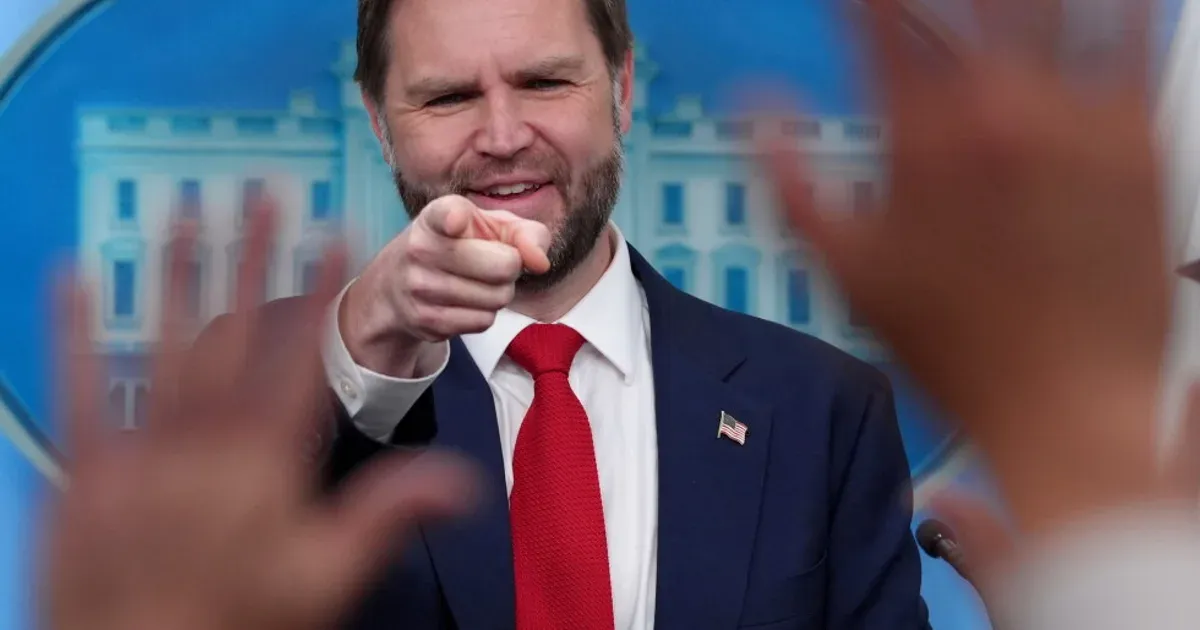
Vice President JD Vance has delayed a planned trip to Switzerland for new Iran nuclear talks, turning a diplomatic scheduling problem into a test of the Trump administration's fragile ceasefire framework. The delay does not kill the deal, but it makes the next phase look far less controlled than the White House wanted.
The White House said on June 18, 2026, that Vance's team was postponing the trip because of difficult logistics for the negotiations. AP reported that the announcement followed a report from Al-Mayadeen that Iran was also delaying its delegation over Israel's military campaign in Lebanon.
Vance's Switzerland trip mattered because he has become one of the public defenders of the administration's Iran policy. A vice president does not usually become the face of technical nuclear talks unless the White House needs political muscle behind the diplomacy.
The Delay Hits a Sensitive Clock
The timing is awkward. The United States and Iran are already working inside a narrow window after an interim framework that paused fighting and opened the door to further negotiations. The next round is supposed to translate the headline of de-escalation into terms on uranium, inspections and relief.
That is where the deal becomes vulnerable. A ceasefire can be announced quickly; a nuclear arrangement has to survive inspectors, lawyers, regional allies and domestic critics on both sides. If the first follow-up meeting slips, every actor opposed to the deal gets more space to call it weak or unserious. The delay also gives markets less clarity about whether port relief, sanctions timing and inspection access are moving on the same schedule.
The U.S. decision to lift its Iran port blockade exposed the same pressure, with maritime relief arriving before the final nuclear terms were locked. The diplomatic bet is that early relief creates momentum. The risk is that it gives Tehran benefits before Washington has enforceable detail.
A delayed trip is not a collapsed deal, but it is a warning that the easy part of the Iran accord is already over.
Israel and Lebanon Complicate the Room
The Lebanon factor is not a side issue. If Iran's delegation is hesitating because of Israeli operations against Hezbollah, then the nuclear file is already being pulled back into the wider regional war map. That makes a clean Switzerland table harder to stage.
The 60-day framework was always exposed to events outside the negotiating room. Israel, Gulf governments, congressional critics, Iranian hard-liners and energy markets all have incentives to test whether the agreement is real. One strike, one leak or one ambiguous pledge can shift the politics before negotiators finish the text.
Vance's role also raises the stakes for the administration. If he sells the deal as disciplined and strong, a delayed trip becomes an embarrassment. If he admits the process is messy, critics will say the White House gave away leverage too early. Either way, Iran nuclear talks are now being judged less by the announcement of peace and more by whether the first technical meeting can even be staged on time.
Leverage Is Already Being Spent
The hard reading is that Washington is trying to convert military and economic pressure into a settlement while the leverage is still warm. That can work, but only if the next steps are fast and concrete. Vague logistics are not enough when the other side is measuring sanctions relief, inspections language and regional security guarantees.
The administration can still recover the optics by setting a new date, clarifying the agenda and showing that Iran remains committed to watchdog access. It also needs to make clear whether the sequencing of sanctions relief depends on verified steps or on political promises, because that is where a fragile accord either becomes enforceable or turns into a political talking point. What it cannot do is pretend delay has no cost. In a deal built around a short clock, lost days are not administrative noise. They are bargaining power leaking out of the room. If the talks resume quickly, the pause may be remembered as a stumble. If they drift, the Switzerland delay will mark the moment the Iran deal began to look less like strategy and more like a press release searching for machinery underneath it.