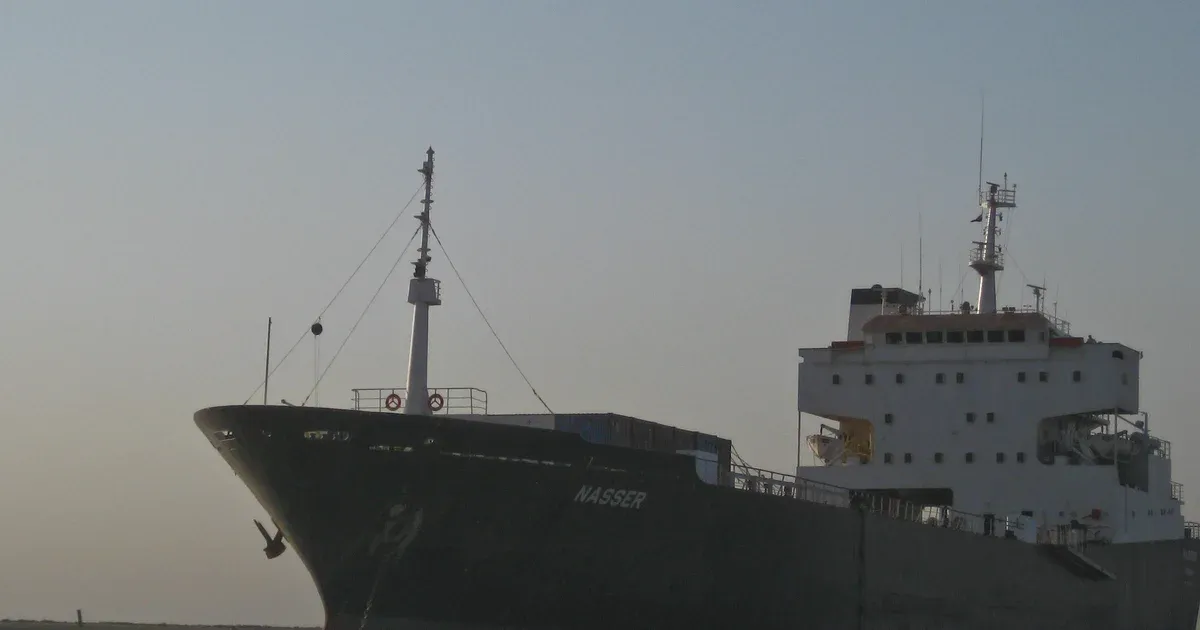
The United States has lifted its blockade on Iranian ports, opening a 60-day window for negotiators to turn an interim conflict-ending framework into a final deal. The move eases immediate shipping pressure but shifts the hardest questions into a compressed diplomatic calendar. Shipping firms now have to judge whether the announcement changes risk at the dock level. Officials announced the decision on June 19, 2026, as diplomats began measuring how quickly the interim deal could become operational.
The development followed a preliminary U.S.-Iran arrangement. By June 18, 2026, the port reopening had become the first visible test of whether the Trump administration and Tehran could move from battlefield pressure to enforceable terms.
The Iranian port blockade had become one of the clearest economic tools in the conflict. It threatened oil flows, tanker insurance, regional shipping and the credibility of every side claiming it wanted de-escalation while still using coercive leverage at sea.
The Deal Starts With Maritime Relief
Letting ships move again through Iranian ports and coastal waters reduces one of the fastest channels for global economic pain. Energy markets read port access as a signal about supply risk, even when the underlying political dispute remains unresolved. The first effect is not peace; it is permission for commerce to breathe while diplomats test whether the opening can hold.
The relief also gives Iran something immediate. That is why critics will argue Washington surrendered pressure too early, especially if the final agreement remains vague on uranium, inspections and regional proxies. Supporters will counter that a blockade is useful only if it creates a diplomatic exit, not if it becomes punishment for its own sake. The practical market question is whether insurers, shippers and port operators believe the new terms enough to resume normal routines. A formal U.S. step can open the door, but commercial actors will still price the risk of mines, patrols, seizure threats and sudden political reversal.
Inspections Become the Hard Test
The nuclear file is now the center of the 60-day clock. AP reported that Iran is expected to invite the U.N. nuclear watchdog to inspect sites and account for enriched uranium as part of the early steps under the framework. That promise matters, but it is not the same as a completed deal. Inspectors need access, documentation and time. Diplomats need language that defines what Iran must dilute, store, disclose or stop doing. Without those details, port relief becomes the easy part of a deal whose hard parts remain deliberately vague.
The Trump-Pezeshkian interim deal had already exposed the same issue: its political selling point was peace, but its strategic weakness was detail. Port relief makes the framework real; inspection terms will decide whether it becomes durable.
Regional Winners Are Not Obvious
Gulf states gain from lower shipping risk, but they also have to live with whatever Iran receives in sanctions relief, reconstruction access or oil-market space. Israel and hawkish lawmakers in Washington will read the deal through a different lens: whether Iran's threat capacity has actually been reduced.
The United States also faces a credibility problem. It used naval pressure to force movement, then removed part of that pressure before the final text was locked. That may be smart diplomacy, or it may become a concession Tehran pockets while slowing the next stage. Commercial shippers will care less about the rhetoric than about practical safety. Mines, naval patrols, insurance costs and port clearance rules must normalize before the market treats the Gulf as stable again. If the Strait of Hormuz remains politically fragile, the reopened ports will help but not erase the risk premium.
The Blockade Was Easier Than the Peace
The brutal lesson is that blockades are simpler than settlements. A president can order pressure. A fleet can enforce it. Markets can react within minutes. But turning coercion into a lasting agreement requires terms that survive domestic politics in Washington, Tehran, Jerusalem and the Gulf.
The 60-day deadline is therefore dangerous. It creates urgency, but it also tempts every side to sell a headline before the machinery exists underneath it. If inspections stall or regional commitments blur, the reopened ports will look less like peace and more like a pause.
That is the real test now: whether the administration used the blockade to buy a deal, or merely traded away its strongest tool for a calendar full of promises. If the answer is the second one, the region will not remember the reopening as diplomacy. It will remember it as the moment Washington mistook leverage for closure.