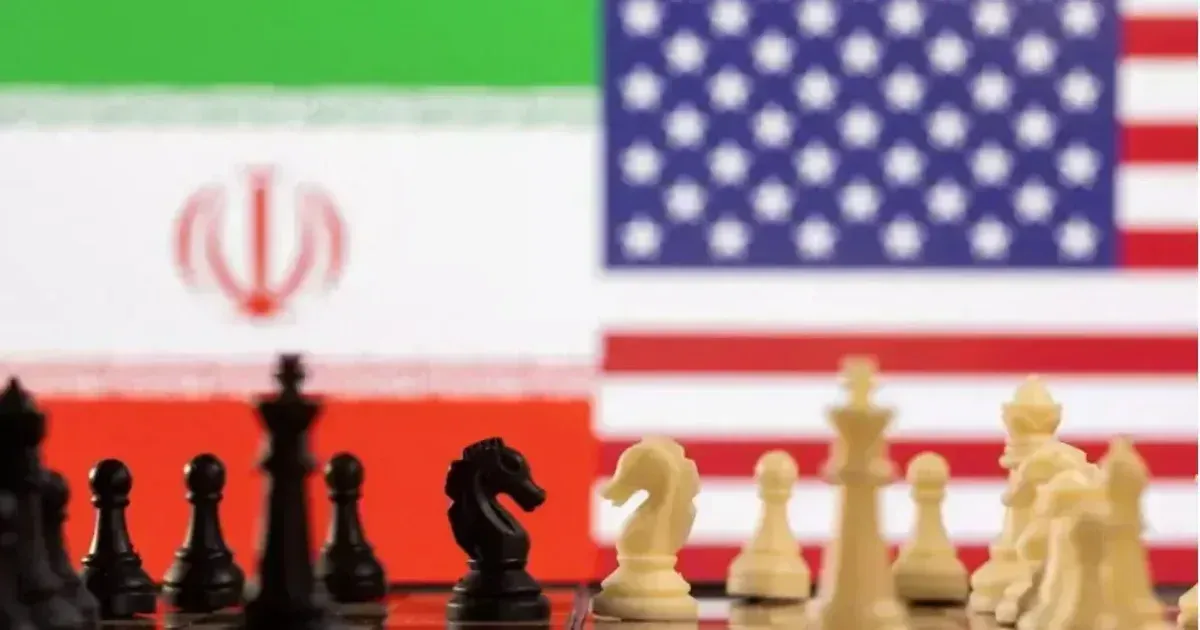
Donald Trump and Masoud Pezeshkian finalized an interim agreement to halt active hostilities between the United States and Iran. The June 17, 2026, signing ceremony established a framework for opening a wider diplomatic track. This diplomatic breakthrough followed months of escalation that threatened global energy supplies and regional stability. Under the terms of the memorandum, both nations committed to an immediate extension of the current ceasefire for another 60 days, providing a window for more comprehensive negotiations regarding Tehran's nuclear program and regional influence.
Negotiations took place in a neutral setting where officials from both sides sought a reprieve from the high-intensity conflict. The deal requires Iran to begin diluting its stocks of highly enriched uranium, a core demand of the American delegation and its regional allies. In return, the United States agreed to begin phased sanctions relief tied to banking and energy restrictions. Officials and regional reports described provisions for a large reconstruction package to assist Tehran in repairing infrastructure damaged during the recent war. Any funding track would depend on continued Iranian compliance with nuclear benchmarks set for the next two months.
Framework for Nuclear Dilution and Reconstruction
Diplomatic teams worked through the night to define the technical requirements for the uranium dilution process. Iran currently holds meaningful quantities of uranium enriched to 60 percent, which Western experts previously described as a short step from weapons-grade material. The interim agreement stipulates that this material must be blended down to lower enrichment levels under the supervision of international monitors. Failure to meet these technical milestones within the 60-day period would trigger an automatic snapback of sanctions and could lead to renewed military operations. The presence of international observers is a critical component of the verification process required by the White House.
Economic incentives play a central role in maintaining the current peace. The proposed reconstruction track aims to address damage to Iranian industrial and power facilities. While the United States will not provide the entirety of the $300 billion directly, it will enable contributions from international financial institutions and frozen Iranian assets held in foreign banks. If implemented, the financial package would represent one of the largest economic engagements between the two nations since the 1979 revolution. Pezeshkian faces serious domestic pressure to deliver immediate economic relief to a population exhausted by years of isolation and recent combat.
Technical committees will oversee the distribution of reconstruction aid to ensure funds are used for civilian projects. Critics of the deal, particularly within the Israeli security establishment, expressed concerns that these assets could be diverted to replenish the military capabilities of the Islamic Revolutionary Guard Corps. To reduce these risks, the agreement includes strict auditing requirements conducted by third-party financial entities. Any evidence of fund diversion would result in the immediate freezing of the remaining tranches. These safeguards were essential for securing the support of several G7 members who remained skeptical of Tehran's long-term intentions.
Reopening the Strait of Hormuz
Maritime security remains the most urgent priority for the global economy. The reopening of the Strait of Hormuz, which had been restricted during the height of the conflict, is a primary condition of the deal. Iran agreed to allow the unhindered passage of commercial shipping, including oil tankers and cargo vessels. The move is expected to stabilize global energy markets and reduce the risk of further maritime confrontations. Tehran, however, stated its intention to implement new transit fees for ships passing through its territorial waters in the strait, a move intended to generate immediate revenue for the cash-strapped government. This agreement builds upon the previously established framework for a tentative 60-day truce extension.
Reopening the waterway allows for the resumption of standard oil export volumes from the Persian Gulf. During the war, insurance premiums for shipping in the region reached prohibitive levels, effectively halting most commercial traffic. The agreement provides a mechanism for international insurers to resume coverage, backed by guarantees that military forces will remain at a specified distance from commercial lanes. Regional actors, including Saudi Arabia and the United Arab Emirates, welcomed the development while maintaining a cautious military posture along their respective coastlines. Stability in these waters is essential for the continued recovery of the global logistics sector.
Logistical preparations for the resumption of shipping are already underway in major ports. Port authorities in Dubai and Bandar Abbas reported a surge in inquiries from shipping companies looking to resume their previous routes. The removal of naval blockades and the cessation of drone strikes against tankers provide the necessary security environment for these companies to operate. International naval task forces that were patrolling the region have begun to adjust their rules of engagement to reflect the ceasefire. Coordination between the various naval entities remains a high priority to prevent accidental clashes during the transition period.
Global Market Reaction and G7 Pressure
Oil prices reacted sharply to the news of the signing. West Texas Intermediate and Brent crude both fell below $80 per barrel as traders factored in the return of Iranian supply to the market. Asian stocks showed signs of recovery, with major indices in Tokyo and Hong Kong posting gains. Investors viewed the interim deal as a sign that the worst-case scenario of a total regional war had been avoided for the time being. Analysts at several major investment banks noted that the $300 billion reconstruction fund could stimulate demand for industrial goods and construction services globally.
The U.S. president told the G7 that he would ‘go back to bombing’ if a full agreement was not struck within 60 days.
Political tension persists despite the signing of the agreement. Trump made his position clear during a meeting with G7 leaders, emphasizing that the current deal is only a temporary measure. He insisted that the threat of military force remains on the table if Iran fails to deliver on its nuclear commitments. The rhetoric is a message to both domestic audiences and the leadership in Tehran. The White House maintains that the military campaign achieved its primary goal of forcing Iran to the negotiating table, and it is prepared to resume that campaign if the 60-day window passes without a lasting settlement.
Pezeshkian and his administration face a difficult path in the coming weeks. They must balance the requirements of the international agreement with the demands of hardline factions within the Iranian political structure. These factions view the dilution of uranium and the acceptance of international monitors as a surrender of national sovereignty. The president has argued that the reconstruction of the country and the lifting of sanctions are the only ways to ensure the survival of the state. His ability to maintain the support of the Supreme Leader will be the deciding factor in whether Iran adheres to the terms of the deal. Success in this interim phase would mark a meaningful shift in Middle Eastern geopolitics.
A Sixty-Day Deadline Keeps the Deal Fragile
The interim deal signed by Trump and Pezeshkian functions as a strategic pause rather than a definitive resolution of the deep grievances between Washington and Tehran. By focusing on real economic incentives like the reconstruction fund and the reopening of the Strait of Hormuz, the negotiators have created a transactional framework that encourages restraint in the short term. However, the 60-day deadline creates a high-pressure environment that could lead to a rapid collapse if technical disagreements arise during the uranium dilution process. The U.S. administration is using a classic maximum pressure and maximum incentive strategy, holding the threat of renewed aerial bombardment over the negotiation table to ensure compliance.
Global markets are breathing a sigh of relief, yet the structural risks to energy security have not been fully reduced. The Iranian proposal to charge transit fees in the Strait of Hormuz could become a new trigger point for legal and diplomatic disputes, as it challenges traditional interpretations of the United Nations Convention on the Law of the Sea. If Tehran attempts to enforce these fees through naval presence, it might provoke the very maritime escalations the deal was designed to prevent. The agreement is a fragile bridge between two hostile powers, and its longevity depends entirely on whether the economic benefits of peace can outweigh the ideological drivers of the previous conflict.