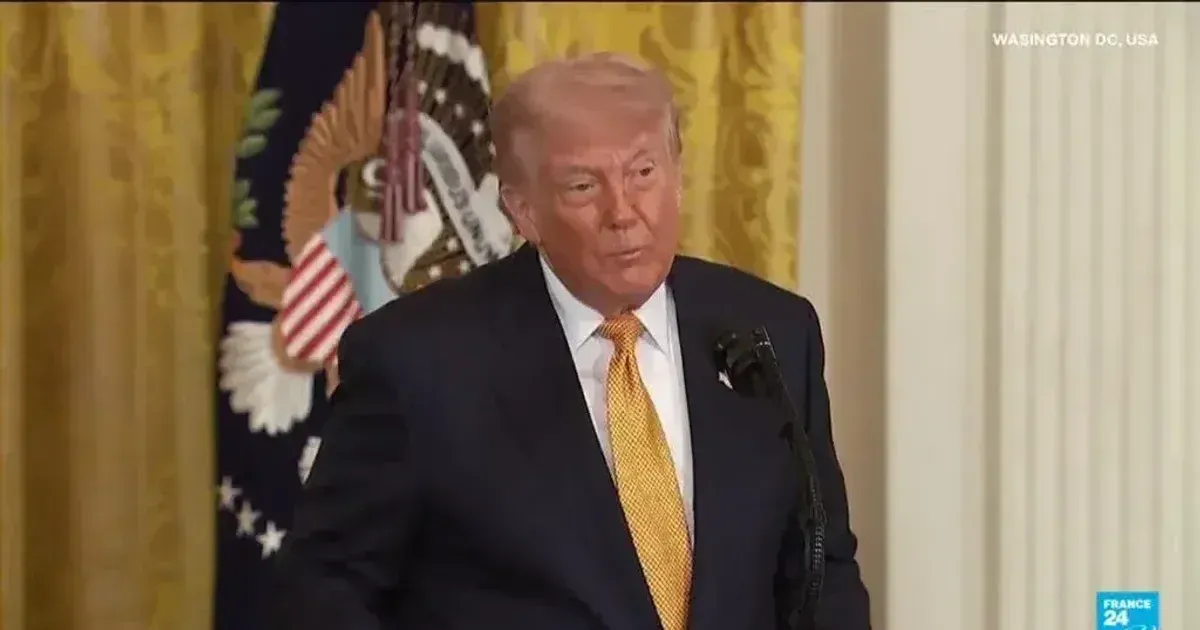
Negotiators from Washington and Tehran finalized a memorandum of understanding to halt hostilities for a sixty-day period. The truce proposal gives both capitals a short pause, but it does not settle the terms of a larger bargain. Its value depends on whether military commanders, shippers and nuclear negotiators all treat the same text as binding. Both sides still need public messaging that does not make the pause look like surrender. This agreement, reached on May 28, 2026, establishes a preliminary framework for broader diplomatic engagement while cooling tensions that have threatened global energy supplies. Final implementation of the deal depends entirely on the signature of Donald Trump, whose administration has maintained a policy of maximum pressure against the Iranian government. American media reports indicate that the memorandum is a procedural bridge rather than a final treaty, allowing both governments to reduce the immediate risk of direct military confrontation.
Success in these talks follows months of back-channel communications mediated by regional partners. Sources familiar with the discussions note that the primary objective remains the stabilization of the Strait of Hormuz, a critical maritime artery for the world oil market. Iranian officials agreed to allow unhindered shipping through the waterway in exchange for a resumption of formal nuclear dialogue. Energy markets reacted immediately to the news, with crude futures dipping as the risk of a naval blockade appeared to recede. Despite the progress, the White House has yet to issue a formal confirmation of the president's intent to sign the document.
Reports from Al Jazeera confirm that the memorandum of understanding was drafted during intense sessions in a neutral third country. Under the terms of the deal, both sides would observe a temporary halt to direct kinetic operations against one another for 60 days. Security officials in Washington are currently reviewing the specific verification mechanisms intended to prevent clandestine enrichment or proxy attacks during the truce. Preliminary assessments suggest that the agreement does not include immediate sanctions relief, focusing instead on de-escalation and humanitarian corridors.
Lebanon Strikes Complicate Diplomacy
Regional volatility continues to exert pressure on the fragile peace process.
Israeli military forces launched a series of airstrikes across Lebanon on the same day the memorandum was announced. These operations targeted infrastructure allegedly linked to Iranian-backed groups, highlighting the disconnect between bilateral US-Iran diplomacy and the broader regional conflict. Jerusalem has not officially commented on the truce negotiations, but officials have repeatedly stated their right to defend against northern threats regardless of international agreements. Military analysts suggest that the Lebanon front could undermine the truce if Iranian proxies retaliate against American assets in the region.
The memorandum of understanding still requires Donald Trump's final approval to become a functional policy.
Diplomats in Tehran are reportedly cautious about the prospects of a long-term settlement. Iranian state media emphasized that any extension of the truce must lead to real economic benefits for the Islamic Republic. Officials within the State Department have countered that the truce is a security measure, not an economic package. Maintaining the current sanctions regime while pursuing a ceasefire remains the stated goal of many hawks within the administration. Any violation of the maritime agreement in the Persian Gulf would likely result in an immediate withdrawal from the memorandum.
Shipping Risk and Energy Markets
Shipping companies have already begun adjusting their risk assessments for the region. Vessels carrying liquefied natural gas and crude oil have faced escalating insurance premiums due to the threat of seizure or drone strikes. A functional truce would provide the necessary stability to lower these costs and restore predictable flow through the strait. Global logistics firms are monitoring the situation closely, awaiting a formal signal from the White House that the agreement is active. Failure to secure the president's approval could return naval forces in the Arabian Sea to a high-alert posture.
Geneva Talks and Verification
Nuclear talks are scheduled to resume in Geneva if the 60-day window holds without a major security breach. Previous attempts to revive the 2015 agreement failed due to disagreements over inspection protocols and the scope of missile development. Negotiators hope that this temporary cooling-off period provides the political cover necessary to tackle these more complex issues. Both sides have assigned technical teams to prepare for the first round of substantive discussions. The timeline for these talks is aggressive, reflecting the urgency felt by European allies who have sought to mediate the dispute.
Observers note that the domestic political climate in the United States will play a decisive role in the deal's longevity. Presidential advisors are reportedly split on the value of the memorandum, with some arguing it provides a necessary exit from an expensive military posture. Others contend that any pause in pressure allows Tehran to consolidate its regional influence and rebuild its financial reserves. This internal debate is expected to conclude within the next forty-eight hours as the document reaches the Oval Office. Security agencies have briefed congressional leadership on the potential risks of both signing and rejecting the extension.
Israel and Hormuz Put the Sixty-Day Truce at Risk
Will this memorandum survive the reality of a multi-front regional war where Israel operates independently of Washington's diplomatic schedule? The Israeli strikes in Lebanon create a dangerous paradox where the main beneficiary of the truce, the United States, sees its closest ally actively targeting interests tied to its negotiating partner. Tehran may find it politically impossible to maintain a ceasefire if its primary regional proxies are dismantled while its own hands are tied by a memorandum of understanding. The tension suggests that the 60-day window is less a peace plan and more a strategic pause for all parties to rearm and reassess their long-term capabilities.
Beyond the immediate military concerns, the energy security of the West hangs in the balance. If the Strait of Hormuz remains open, the inflationary pressures on the global economy could ease, providing the Trump administration with a meaningful domestic win. However, if the president perceives the deal as a sign of weakness or a gift to a strategic adversary, the resulting collapse of talks could quickly put upward pressure on oil prices. The practical test for this agreement will come in the waters of the Persian Gulf.