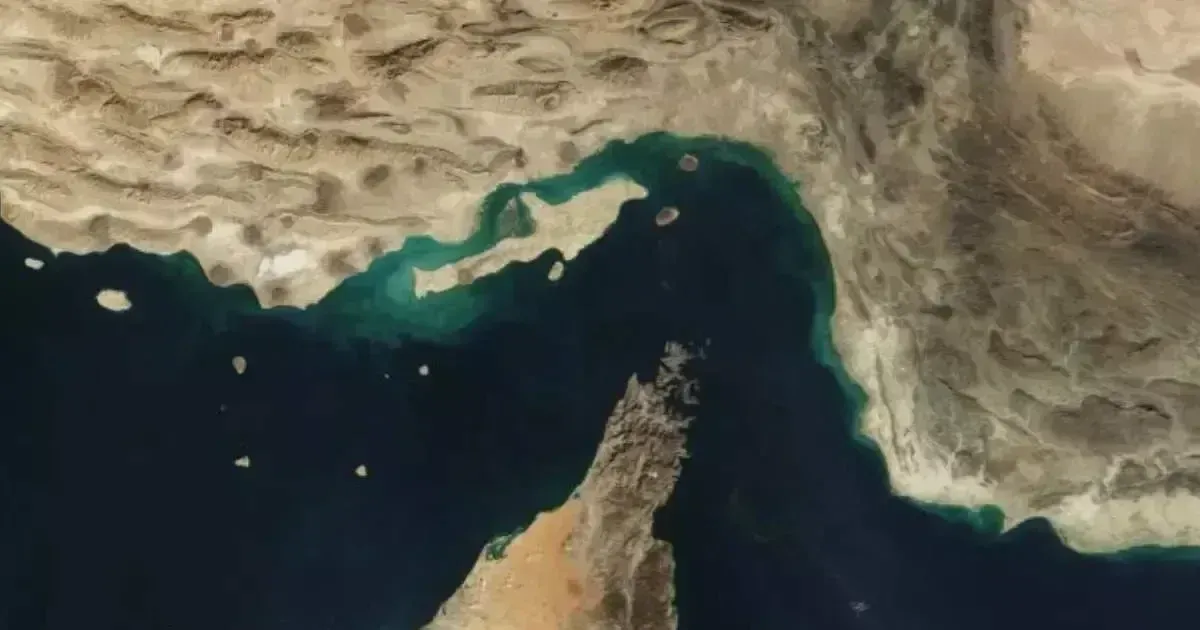
Iranian officials prepare to reveal a plan to impose mandatory tolls on vessels transiting the Strait of Hormuz, a move that threatens to disrupt global shipping and energy markets. The announcement is expected to coincide with a surge in military activity across the region that has left dozens of casualties in Lebanon and Gaza. While a fragile ceasefire established on April 8 persists in some sectors, the maritime chokepoint has become a new focal point for economic and military confrontation. By May 17, 2026, the toll plan had become another pressure point in the Gulf shipping crisis.
Plans for the shipping levy follow months of friction regarding control over the narrow waterway through which approximately 20 percent of the world's petroleum passes. Security reports indicate that Tehran seeks to formalize its authority over the transit route by requiring payments from commercial tankers and cargo carriers. Any attempt to enforce such tolls would likely face immediate legal challenges from international maritime bodies and direct opposition from Western naval forces stationed in the Persian Gulf.
Shipping Taxes in the Strait of Hormuz
Tehran maintains that the proposed tolls will fund maritime safety and environmental protection efforts within its territorial waters. Skepticism among trade analysts is high, as the move appears designed to create a permanent revenue stream and a lever for political pressure. Shipping companies have already expressed concern that additional costs could drive up insurance premiums and delay delivery schedules for liquefied natural gas and crude oil. These economic threats arrive at a moment of extreme volatility for global commodity prices.
Maritime security firms are monitoring the deployment of Iranian naval assets near the entrance to the Persian Gulf. Records show an increase in patrol frequency, suggesting that enforcement mechanisms for the new toll system are already in place. Port authorities in neighboring countries have not yet received formal documentation regarding the payment structure or the specific types of vessels subject to the tax.
Regional stability rests on the unimpeded flow of commerce through this single narrow passage.
Marine logistics experts argue that the legal basis for these tolls contradicts established transit passage rights under international law. If Iran proceeds with the plan, the United States and its allies may be forced to provide armed escorts for merchant ships to prevent boardings or seizures. This specific scenario would sharply increase the risk of a direct military encounter between Western navies and Iranian forces.
Truce Fragility and Israeli Military Operations
Israeli forces launched an extensive series of airstrikes across southern Lebanon despite the presence of a truce agreement. These operations, occurring on May 17, 2026, targeted several locations reported to be military infrastructure. Local health officials in Lebanon confirmed that dozens of people were killed or wounded during the morning barrage, which also affected residential areas in the Gaza Strip. The strikes represent some of the most intense combat activity since the April 8 ceasefire began.
Reports described the Israeli operation as a large series of airstrikes on southern Lebanon despite the truce extension between the two countries.
Casualty counts from the Gaza Strip continue to rise as recovery teams search through debris in urban centers. Israeli military commanders stated the strikes were a response to recent provocations, though they did not provide specific details on the nature of the threats. Combat operations have now spread to multiple fronts, stretching the capacity of international monitors to verify compliance with the existing ceasefire terms. Military analysts observe that the geographic scope of the current campaign suggests a broader strategic objective than previous localized skirmishes.
The ceasefire, once seen as a path toward long-term stability, now appears increasingly hollow.
Developments in Lebanon suggest that the truce extension has failed to deter high-intensity kinetic operations. Humanitarian organizations report that the sudden escalation has displaced thousands of civilians who had recently returned to their homes following the April 8 agreement. In Gaza, the lack of medical supplies and the destruction of infrastructure have made the treatment of those wounded in the recent strikes difficult. The persistent use of airpower against densely populated areas has drawn sharp criticism from diplomatic observers in Europe and the United Kingdom.
Trump Signals Shift in US Posture
Donald Trump has issued a series of warnings regarding the deteriorating security situation in the Middle East, describing the current period as unusually dangerous. Reports of potential US military action against Iranian targets have circulated in Washington as tensions over the Strait of Hormuz escalate. These statements were accompanied by an image shared by Donald Trump labeled as the calm before the storm, a phrase that has previously preceded significant shifts in American foreign policy.
Pressure on the current administration to respond to the toll plan and the Israeli strikes is mounting. Intelligence sources suggest that various options for neutralizing Iranian maritime capabilities are under review, although no formal orders have been issued to the Pentagon. The rhetoric from Donald Trump implies that a more aggressive posture may be adopted if the toll system is implemented or if the ceasefire in Lebanon fully collapses. This shift in tone has prompted diplomatic missions in the region to update their security protocols.
Action by the United States would likely involve a coalition of maritime partners dedicated to maintaining freedom of navigation. Previous interventions in the Gulf have shown that even limited military engagement can lead to a rapid expansion of the conflict zone. Current projections from defense consultants indicate that any US-led operation would target Iranian radar sites, fast-attack boats, and coastal missile batteries used to monitor shipping lanes.
Hormuz Tolls and Renewed Strikes Push the Region Toward Wider Conflict
The convergence of a maritime tax regime and renewed border warfare creates a uniquely volatile environment for the Middle East. By attempting to monetize the Strait of Hormuz, Iran is seeking more than revenue; it is asserting a sovereignty claim that challenges the foundational principles of international trade. The move forces every nation dependent on Gulf energy to choose between accepting Iranian jurisdiction or risking a naval confrontation. The economic impact of a sustained disruption would likely trigger a global recession, as energy prices would react instantly to any perceived threat to shipping security.
Israeli operations in Lebanon and Gaza further complicate the diplomatic landscape. The failure of the April 8 ceasefire to hold suggests that the underlying grievances of the combatants remain unaddressed. If Israel continues its high-intensity strikes, the likelihood of a broader regional mobilization increases, potentially drawing in paramilitary groups and state actors across the Levant. The intersection of these two crises, the maritime squeeze and the land war, creates a pincer effect on regional stability. Western powers are now facing a scenario where diplomatic options are exhausted and the cost of inaction is a permanent shift in the global balance of power.