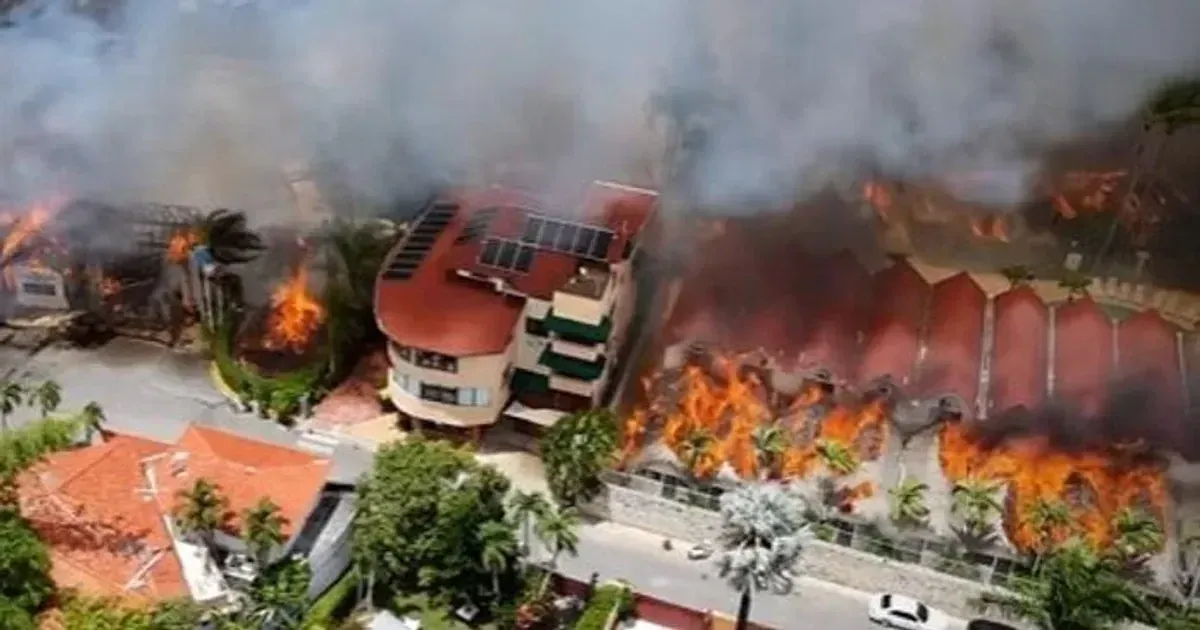
A large fire at a beach resort in the Dominican Republic killed one person and forced a mass evacuation, turning a busy tourist area into an emergency response zone. Officials said the blaze hit Viva Wyndham Dominicus Beach in Bayahibe, a popular destination on the country's southeastern coast.
The fire broke out on June 19, 2026, and spread through parts of the resort before crews brought the situation under control. CBS News reported that one person was killed and several others were hurt, while AP reported that nearly 1,700 tourists were evacuated.
The Dominican resort fire quickly became a travel-safety story as well as a local emergency. Bayahibe draws international visitors, and a large hotel fire can create confusion for guests who may not know evacuation routes, local emergency numbers or where they will be housed after leaving their rooms.
Evacuation Scale Raised the Stakes
The evacuation figure is the clearest measure of the disruption. A hotel can replace damaged structures, but it cannot easily replace guest confidence once travelers believe they had to improvise their own safety plan. That is why emergency briefings, relocation records and support for injured guests will shape how the incident is remembered. Moving nearly 1,700 people out of a resort requires transportation, temporary accommodation, medical screening, luggage control and communication with families, tour operators and embassies.
AP reported that evacuees were moved to nearby hotels and housing. That matters because the emergency did not end when guests left the burning property. Officials still had to account for people, separate the injured from the uninjured and keep the broader tourist area functioning. That work can be difficult when guests speak different languages, booked through different travel companies and may have left documents or medication behind during evacuation.
The fire's human toll was limited to one confirmed death, but the operational shock reached hundreds of travelers and workers at once.
Local authorities also had to prevent a second wave of confusion. Resort fires often generate fragmented videos and unverified claims before formal updates catch up, especially when tourists post from phones while moving away from smoke and flames.
Cause and Construction Questions Remain
The cause of the fire remains under investigation, which means officials should be cautious about assigning blame. Investigators will likely need to examine electrical systems, kitchen or service areas, alarms, water pressure and whether staff had enough time to move guests before smoke spread through public areas. Early reporting focused on the speed and size of the blaze, but the final inquiry will need to examine ignition source, materials, alarms, sprinklers, staff response and evacuation timing.
Viva Wyndham Dominicus Beach includes resort structures built for a tropical setting, where decorative roofing and open-air design can shape how a fire moves. That does not prove a construction failure, but it gives investigators specific questions to answer. In resort settings, design choices meant to create a relaxed beach atmosphere can complicate fire behavior if materials, wind and open corridors allow flames or smoke to move quickly.
For travelers, the practical concern is whether nearby hotels and the destination's wider tourism infrastructure remain safe. Dominican officials said the adjacent Viva Wyndham Dominicus Palace was not affected, according to AP, but guests will still look for reassurance beyond a single statement.
Tourism Trust Depends on the Follow-Up
The Dominican Republic depends heavily on tourism, so the response after the fire is almost as important as the firefighting itself. Visitors need clear information about injuries, refunds, relocations, future bookings and whether any safety changes will follow. Tour operators and airlines also need accurate updates because even guests not staying at the affected property may reconsider travel if official communication is slow.
Hotels can recover from a single emergency when communication is fast and factual. The reverse is also true: silence leaves travel sellers, families and future guests to fill the gap with worst-case assumptions, even when officials have contained the immediate danger. They struggle when guests feel they are being left to piece together details from social media, travel agents and rumor. The investigation now turns on transparency. If officials explain what burned, why the fire spread and how evacuees were protected, the incident can remain a contained emergency. If those answers stay vague, a resort fire becomes a broader question about safety oversight in a major tourism market. The clearest path to restoring confidence is a documented account of the response, the damage and any building or operational changes made before the property reopens.