Residential properties in North America and Europe are undergoing a quiet transformation as external storage solutions evolve from utilitarian necessities into high-tech assets. Homeowners frequently find themselves squeezed between rising real estate prices and an accumulation of outdoor gear. Yards once reserved for leisure now host complex structures designed to withstand extreme weather while protecting substantial investments in lawn technology. Marcus Thorne, a suburban homeowner in Surrey, spent three weeks researching floor load capacities before selecting a unit. The shed market now reflects a consumer shift toward durable, weather-resistant storage that functions like an extension of the home. He represents a new wave of buyers who treat a shed purchase with the same scrutiny as a vehicle acquisition. Markets for high-end sheds have shifted from simple plywood boxes to complex multi-material units. These structures now feature climate-controlled options and high-security locking mechanisms.
Shed Buyers Want Durability
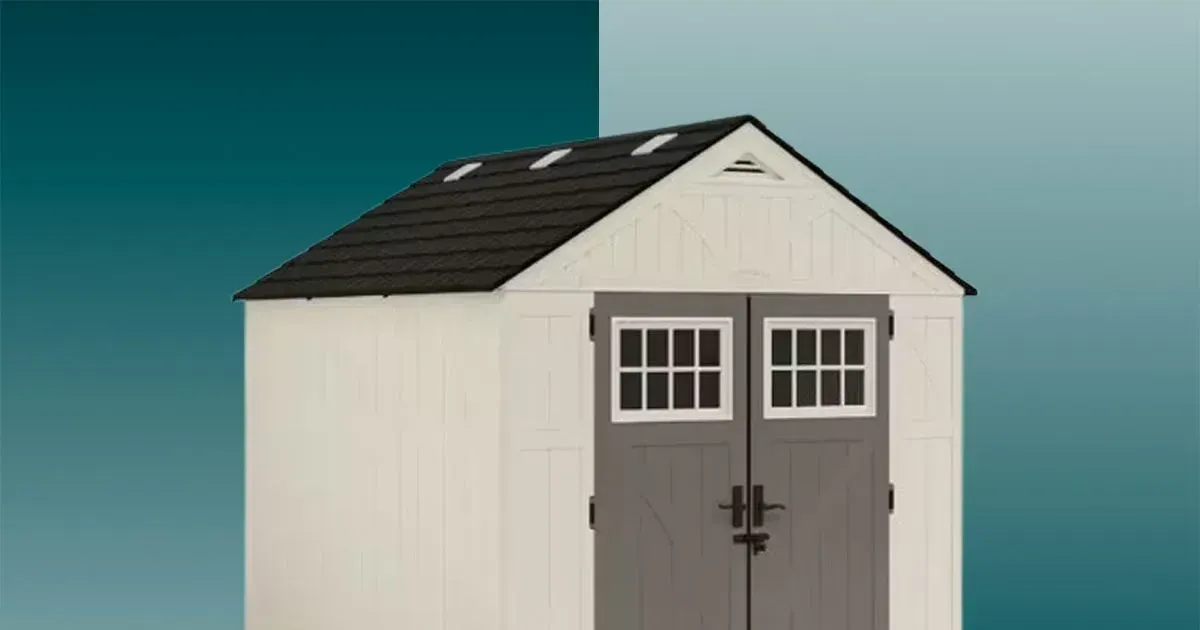
Material science sits at the heart of the modern storage debate. Resin sheds, such as the Suncast Tremont, use high-density polyethylene to provide a maintenance-free experience. These units do not require painting or shingling, which appeals to time-strapped professionals. Traditional wood sheds offer superior structural integrity for those intending to install heavy shelving or workbenches. Wood remains the preferred choice for enthusiasts who want to customize their storage space with insulation or electrical wiring. Suncast Tremont models offer an 8-by-10-foot footprint that accommodates large landscaping machines and garden tools. Many homeowners prefer this model because of its integrated windows and skylights. Natural light reduces the need for battery-powered lanterns when searching for tools in the evening. Double doors provide a wide entry point for riding mowers, while lockable handles offer a basic level of theft deterrence. The inclusion of corner shelves and tool hooks maximizes the vertical space within the plastic shell. wood structures like those from Handy Home Products Majestic line retain a loyal following. These kits require substantial labor to assemble, often taking two adults a full weekend to complete. Wood allows for greater architectural compatibility with the primary residence.
Storage Has Become a Housing Signal
Manufacturing and logistics continue to dictate the price points of premium storage solutions. Resin units are lighter and easier to ship in flat-pack configurations than heavy lumber. This portability has allowed companies like Rubbermaid to capture the urban market. Smaller yards in London or New York benefit from horizontal designs that sit below fence lines. The Rubbermaid Small Horizontal Resin Outdoor Storage Shed targets this particular niche. It holds trash cans or long-handled garden tools without obstructing the view of the garden. The shift toward high-capacity resin structures reflects a broader consumer desire for maintenance-free utility that mimics the aesthetics of traditional architecture. Inflation in raw polymer prices has forced manufacturers to innovate with recycled materials. This shift helps maintain price stability while appealing to environmentally conscious consumers. Some brands now incorporate up to 25 percent recycled plastic into their wall panels without sacrificing tensile strength. Meanwhile, the cost of pressure-treated lumber fluctuates based on regional forestry output and import tariffs. These economic variables make resin a more predictable investment for the average consumer. Retailers report that assembly speed is now a primary selling point. Modern resin sheds often feature snap-together parts that require only a few standard hand tools. This ease of installation contrasts sharply with the complex framing required for a wood shed. Lifetime has improved its assembly manuals to include video tutorials and 3D modeling. The material prevents the common frustration of misaligned screw holes found in cheaper, generic brands. Theft prevention has become a critical component of shed design as outdoor equipment becomes more expensive. High-end bicycles and power tools are frequent targets for opportunistic burglars.
Poorly ventilated sheds can become incubators for mold. Modern designs incorporate gable vents to ensure constant airflow. The ventilation is essential for preventing the buildup of gasoline fumes from lawn equipment. It also protects sensitive electronic components in smart garden tools from overheating during peak summer months. Proper airflow ensures that the interior temperature remains within a safe range for most household chemicals.
Demand for large storage capacity has surged as more people adopt outdoor-centric lifestyles. The Lifetime Dual Entry Plastic Storage Shed addresses the needs of families with extensive hobby equipment. Dual entry points allow users to access items at the back of the shed without moving everything in the front. The configuration solves the common problem of buried equipment in deep, single-door units. Large-format sheds often function as secondary garages for properties with limited parking. The shift indicates a move toward treating the backyard as a functional extension of the home interior. Some users have repurposed these large structures into makeshift workshops or hobby rooms. However, wood remains the only viable option for sheds intended for heavy occupation. Resin walls cannot support the pressure of mounted cabinets or heavy-duty power tool racks. Homeowners must decide if they prioritize the convenience of plastic or the versatility of timber.
The choice of a shed depends on the local climate and the particular items being stored. Coastal areas favor resin because it is impervious to salt air and high humidity. Desert regions require UV-stabilized materials to prevent the plastic from becoming brittle. Northern climates require steep roof pitches to shed heavy snow loads and prevent structural collapse. Each environment dictates a different set of technical requirements for a successful installation.
The Shed Boom Is About Space
Does a thousand-dollar plastic box actually solve the problem of a cluttered life, or does it simply provide a more expensive way to ignore the issue? The obsession with high-end sheds is not about organization, it is about the failure of modern architecture to account for the physical reality of human life.
Perhaps if we owned fewer things, we would not need to worry about the UV resistance of a Suncast roof. The reliance on external storage units suggests a serious disconnect between the spaces we inhabit and the objects we believe we need to survive. While the engineering of a dual-entry Lifetime shed is objectively impressive, it remains a monument to our inability to edit our own lives. We are effectively paying rent to store the ghosts of past hobbies and the tools of future chores.
Until we address the underlying impulse to accumulate, no amount of snap-together polyethylene will ever provide enough room for the modern homeowner.