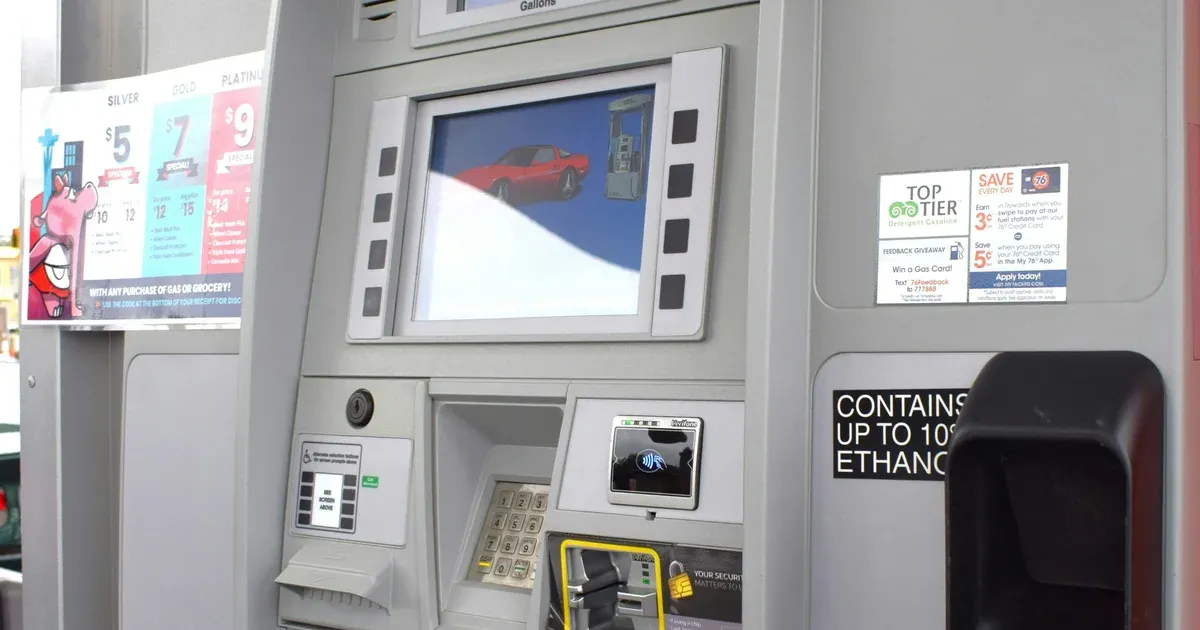
Inflation looked stable in February, but the Iran energy shock now threatens to rewrite the consumer-price story.
Consumer prices looked stable before the Iran conflict shook markets, but the energy shock now threatens to rewrite the inflation story.
February Inflation Looks Stale
March 11 arrived with a deceptive sense of calm in the Bureau of Labor Statistics halls. Government data released Wednesday shows consumer prices held steady at a 2.4 percent annual rate for February. The inflation picture looked stale on March 11, 2026, as energy markets reacted to a conflict the report barely captured. Economists at Dow Jones predicted exactly this outcome, and the figures matched their consensus perfectly. While these numbers look like a victory for price stability, they represent a world that no longer exists. Financial professionals call this a lagging indicator, and rarely has the lag felt so disconnected from the street-level reality of the American gas station. Stability usually invites a sigh of relief on Wall Street. Prices had swung wildly throughout 2025, bottoming out at a four-year low in April before climbing back toward a peak in September. By January 2026, the rate had settled at 2.4 percent. Seeing that same number repeat in February suggests a cooling trend that the Federal Reserve spent eighteen months trying to manufacture.
But the timing of the data collection is the critical flaw in the current optimism. Most of this information was gathered before the outbreak of hostilities between the United States, Israel, and Iran. Traders and analysts spent the morning parsing these numbers while keeping one eye on the oil futures ticker. Petroleum costs began their vertical climb only in the final days of February and the first week of March. Because the Consumer Price Index relies on a monthly average or specific mid-month snapshots, the actual impact of the Middle East conflict remains invisible in this report.
Energy Prices Change the Forecast
Investors are essentially looking at a photograph of a building taken minutes before an earthquake hit. The foundation in the picture looks solid, but the people on the ground can already feel the floor shaking. Petroleum is the lifeblood of the global supply chain. When crude prices jump, every single good delivered by a truck or plane eventually follows. Transportation costs for groceries, construction materials, and consumer electronics are all sensitive to the volatility currently seen in the Strait of Hormuz.
The report for February shows a flat trajectory for these goods. Yet, logistics firms have already started applying fuel surcharges that will show up in later datasets. This discrepancy creates a dangerous illusion of safety for policymakers who might be tempted to stop their inflation-fighting measures too early. Washington remains locked in a battle over how to interpret the coming storm. Donald Trump recently dismissed concerns about the energy market, suggesting that only fools would think oil price shocks would have a significant impact on the broader economy.
Such a stance contradicts historical precedents where every major spike in Middle Eastern tension led to a corresponding dip in US consumer discretionary spending. If energy costs continue their current trajectory, the 2.4 percent figure will be a distant memory by the time the next report drops in April. Federal Reserve officials find themselves in a difficult position. They have spent two years hiking interest rates to bring inflation down from its post-pandemic highs to this current 2.4 percent level.
The Fed Faces Bad Timing
If they declare victory now, they risk being blindsided by the war-driven secondary wave of price increases. Markets are currently pricing in a high probability of rate cuts, but those bets assume that energy prices will somehow decouple from the geopolitical chaos in the Persian Gulf. History suggests that such a decoupling is a fantasy. Energy prices in the FT Global Economy report indicate that global markets are already reacting even if the US government data has not. Brent crude has moved higher every day since the first missile strikes were reported.
This move is not just about the cost of filling a tank. It is about the cost of plastic production, the cost of heating homes, and the cost of maintaining a global military presence. The Bureau of Labor Statistics will likely spend the next month playing catch-up with a market that has moved faster than their spreadsheets can handle. Nobody likes a bearer of bad news. Statistics are often used as a shield by politicians looking to justify their current trajectory.
The Biden administration will likely point to the 2.4 percent figure as proof that their fiscal policies are working. They will argue that the economy was on a glide path to a soft landing.
Why Lagging Data Is Dangerous
Could we possibly be more blind to the obvious? To celebrate a 2.4 percent inflation rate today is the equivalent of a captain praising the calm seas while the sonar is screaming about an incoming torpedo. The February report is a ghost. It tells us where we were, not where we are, and certainly not where we are going. By the time the Bureau of Labor Statistics gets around to acknowledging the reality of the war in Iran, the damage to the American consumer will be irreversible.
This obsession with lagging government data creates a dangerous policy vacuum where leaders feel comfortable doing nothing while the world burns. Donald Trumps dismissal of oil shocks as a concern for fools is not just wrong, it is a deliberate obfuscation of economic history. Every major recession of the last fifty years has been preceded by exactly this type of energy volatility. We are not watching a soft landing. We are watching a slow-motion collision between a fragile domestic recovery and the brutal reality of global conflict.
If the Fed cuts rates now based on these stale February numbers, they are essentially pouring gasoline on a fire that is already out of control. It is time to stop looking at the rearview mirror and start looking through the windshield.