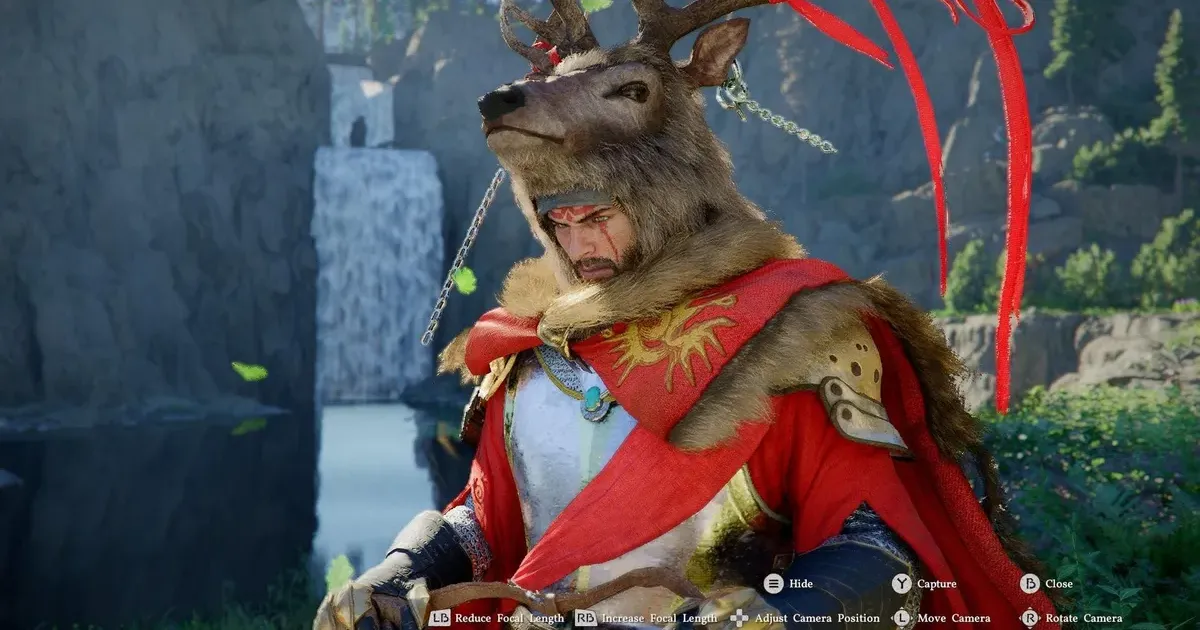
Crimson Desert did not land as a simple victory lap for Pearl Abyss. The open-world action game arrived on March 19, 2026 with the weight of years of expectation behind it, and the first wave of coverage showed a familiar split: critics measured the whole package under review pressure, while many players judged the same rough edges against the size of the world they wanted to keep exploring.
That difference matters because Crimson Desert is built around scale. It asks players to accept a large fantasy map, heavy combat systems, uneven guidance, long sessions and a protagonist moving through Pywel rather than a tightly edited ten-hour campaign. For a reviewer, those traits can make the game feel overloaded. For a committed player, they can become the reason to stay.
Critics Saw Friction Before Momentum
The critical reaction was not a collapse. Aggregators placed Crimson Desert in broadly favorable territory, with Metacritic listings around the high-seventies and OpenCritic discussion near the low-eighties. That is not a disaster score. The problem for Pearl Abyss was expectation. A game presented for years as a technical showcase was expected by some investors and fans to arrive as a cleaner, more universal hit.
Review complaints followed a coherent pattern. Critics pointed to a crowded interface, a story that did not always carry the weight of the setting, uneven boss encounters and the kind of design sprawl that can make an ambitious open-world game feel less disciplined than it looks in trailers. Those are not trivial objections. A game can be vast and still make the player fight the menus. A game can be beautiful and still lose narrative force when every system competes for attention.
Performance and usability also shaped the early conversation. Pearl Abyss had sold Crimson Desert partly on spectacle, so any frame-rate issue, control annoyance or unclear progression loop carried more weight than it might have for a smaller release. When a studio markets ambition, players and critics both judge the seams more harshly.
Players Rewarded Scale and Combat
The player response moved differently. Steam sentiment improved after launch, and Forbes noted the visible swing from an initially mixed reception toward a much stronger user rating within days. That kind of rebound usually means the earliest friction did not define the whole audience. Once players had more time with combat, exploration and the map's set pieces, the game looked less like a broken promise and more like a demanding one.
The strongest defense from players centered on feel. Crimson Desert gives people a large world to test, a combat model with room for mastery and a visual identity that is difficult to dismiss even when the structure gets messy. For an audience tired of safe formulas, the game's lack of neatness can read as personality. That does not erase the flaws. It explains why the flaws did not kill the conversation.
This is where the critic-player divide becomes more than a scoreboard argument. Reviewers have to finish, assess and publish within a professional window. Players can drift, restart, ignore weak systems, follow community guides and find their own rhythm. A cumbersome opening can damage a review more than it damages a player who plans to spend months inside the game.
Pearl Abyss Still Owns the Burden
The split does not absolve Pearl Abyss. If players need several days, forum threads and patch notes before the design starts to click, that is still a launch problem. Ambition is not a shield against poor onboarding. A cluttered interface is not deeper because it is cluttered. A difficult boss is not automatically better because it resists casual play.
The studio's next task is therefore practical rather than theatrical. It has to keep the parts players love while reducing the friction that gave critics ammunition. Better interface hierarchy, clearer progression signals, performance patches and sharper early pacing would not make Crimson Desert smaller. They would make its scale easier to trust.
That balance is crucial for long-term retention. The launch has already proved that a committed audience exists. The harder question is whether Pearl Abyss can keep that audience without turning every improvement into a concession. The game does not need to become polite. It needs to stop wasting attention on preventable irritation.
Reviewer Gap Verdict
The argument around Crimson Desert exposes a weak point in modern game criticism, but it does not prove critics are useless. It proves review systems struggle when a game is too sprawling to be reduced cleanly to launch-week certainty. Players can be more forgiving because they are not scoring a product under deadline. Critics can be harsher because they see the cost of every design choice at once.
Pearl Abyss benefits from the player backlash against tidy critical consensus, but it should not hide behind it. A flawed, ambitious game can beat a polished, timid one in the market, yet ambition only buys patience for so long. Crimson Desert has earned that patience. Now it has to justify it.