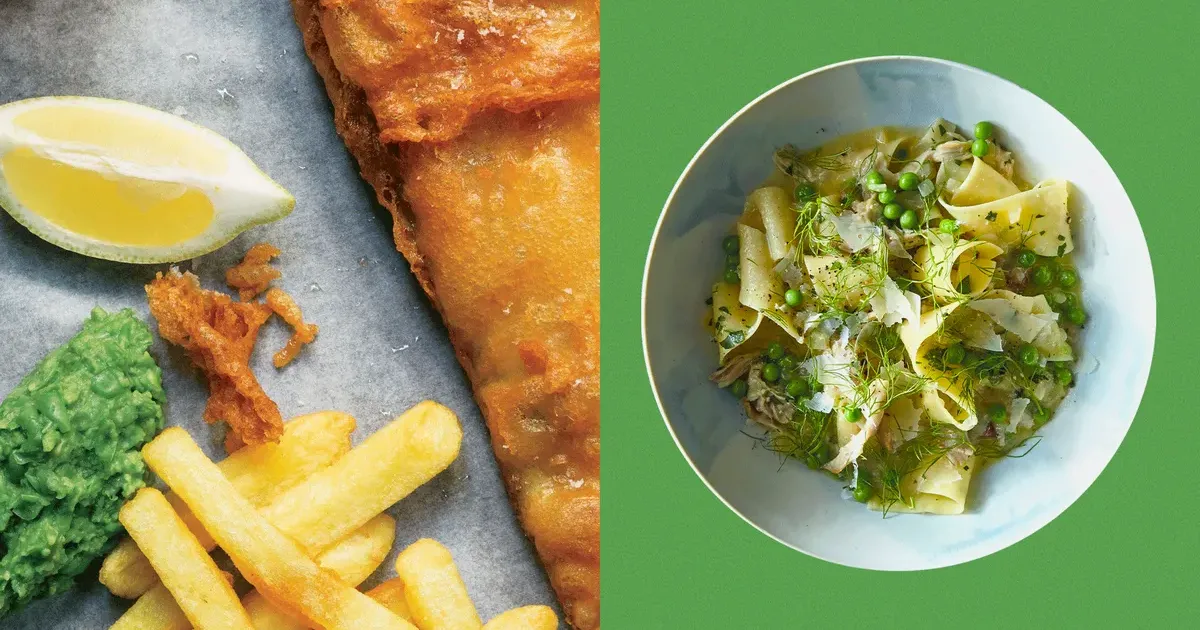
Culinary experts at Bon Appetit asserted on April 5, 2026, that the humble bag of frozen peas is an essential tool for high-end home cooking. Editors detailed seven specific applications that transform these utility items into gourmet components. Modern storage techniques allow these legumes to maintain their structural integrity better than many refrigerated fresh alternatives. Flash-freezing technology captures the sugar content at its peak before it converts into starch. This chemical preservation ensures a consistent flavor profile regardless of the season. Professionals often prefer these over fresh pods that have languished in transit for days.
Early culinary history suggests that the commercialization of the frozen pea by Clarence Birdseye changed domestic labor patterns forever. Before the 1920s, preparing peas required hours of manual shelling. Today, a $2.50 bag provides the same nutritional value as several pounds of fresh produce. Quality control in industrial freezing facilities has reached a level where the difference in taste is nearly imperceptible to the average consumer. Most professional kitchens stock these bags as a safety net for rapid service. They provide an immediate burst of color and texture to complex dishes.
Nutritional Density of Flash Frozen Peas
Nutrients in frozen vegetables often exceed those found in fresh produce sitting on grocery store shelves. Research indicates that water-soluble vitamins like Vitamin C begin to degrade immediately after harvest. Freezing stops this process within hours of the vegetable leaving the field. Dietary fibers and plant-based proteins remain intact throughout the sub-zero storage period. High-pressure steam blanching prior to freezing deactivated enzymes that would otherwise cause browning or off-flavors. One cup of these green spheres provides approximately eight grams of protein.
Health conscious consumers frequently overlook the efficiency of the frozen aisle. While fresh peas are only at their prime for a few weeks in spring, the frozen variety offers year-round consistency. Manufacturers use enormous liquid nitrogen tunnels to drop temperatures instantly. Such speed prevents large ice crystals from forming and rupturing the cell walls of the legume. This technical precision results in a pop of texture when the pea is finally cooked. Soft, mushy vegetables are usually a result of poor thawing rather than the freezing process itself.
Carbonara Revisions and Pasta Textures
Pasta dishes benefit sharply from the addition of these legumes during the final stages of boiling. Editors at Bon Appetit highlighted the spring carbonara as a primary example of elevating a pantry staple. Traditionally, carbonara relies on heavy fats from guanciale and egg yolks. Introducing the sweetness of the pea balances the saltiness of the cured pork. Starch from the pasta water emulsifies with the pea skins to create a more cohesive sauce. Chefs suggest adding the frozen vegetables directly to the boiling pasta water during the last sixty seconds of cooking.
“A bag of frozen peas in the freezer is like a secret weapon for anyone who wants to cook a real meal on a Tuesday night without going to the store,” according to a senior editor at Bon Appetit.
Vegetable-forward pasta preparations rely on contrast. The bright green hue of the legume provides a visual break from the monochromatic tones of cream or butter-based sauces. Professional recipes often call for mashing a portion of the peas to thicken the base. This technique creates a complex texture where some peas are whole and others form a savory paste. Incorporating citrus zest further enhances the natural sugars found in the legumes. Kitchen staff frequently use this method to brighten heavy winter menus.
Fusion Cooking with Samosa Dilla Peas
Innovative recipes like the samosa-dilla demonstrate the versatility of frozen legumes across different cuisines. The hybrid dish combines the flavor profile of an Indian samosa with the structural convenience of a Mexican quesadilla. Mashed peas act as a binding agent for spices like cumin, turmeric, and garam masala. Large-scale food production ensures these peas are uniform in size, making them ideal for even distribution within a tortilla. High heat in a skillet crisps the exterior while the interior remains moist. Fusion cooking relies on these adaptable components to bridge cultural gaps.
Cumin seeds toasted in oil provide the aromatic foundation for the pea filling. Editors found that the moisture content in frozen peas is predictable, which prevents the tortilla from becoming soggy. Texture is maintained by keeping some legumes whole within the spicy mash. Using a heavy cast iron press helps achieve the desired crunch. Many home cooks prefer this method because it bypasses the labor-intensive process of making traditional samosa dough. Efficiency does not have to come at the expense of authentic flavor profiles.
Economic Utility of Legume Management
Global food prices fluctuate, but frozen vegetables maintain a relatively stable market position. Purchasing in bulk reduces the per-meal cost of high-quality protein. A single bag can be partitioned for multiple recipes including risottos, pestos, and cold salads. Waste is almost non-existent because only the required amount is removed from the freezer. Fresh produce often ends up in compost bins when busy schedules prevent timely preparation. Frozen legumes stay viable for up to twelve months without serious quality loss.
Sustainability advocates point to the reduced carbon footprint of frozen logistics. Concentrated transport of frozen goods is often more efficient than the rapid, climate-controlled shipping required for fresh perishables. Processing facilities are located near the farms to minimize the time between harvest and freezing. The proximity reduces the overall energy expenditure of the supply chain. Consumers participating in this system support a more resilient food infrastructure. Financial savings accumulate over time for households that prioritize frozen staples.
Modern recipes continue to evolve as editors find new ways to use these green powerhouses. Beyond pasta and fusion dishes, they serve as the base for vibrant soups and chilled dips. Smoked salt or chili oil can transform a simple bowl of steamed peas into a sophisticated side dish. Professional kitchens treat them with the same respect as artisanal ingredients. Consistency is the hallmark of a well-run kitchen. Frozen peas provide that reliability every single time.
The Elite Tribune Strategic Analysis
Is the modern obsession with the farm-to-table movement actually a form of class-based culinary gatekeeping? The reflexive dismissal of frozen produce ignores the scientific reality that flash-freezing is often superior to the slow decay of fresh logistics. We find ourselves at a time when the illusion of the harvest is sold at a premium while the most nutritious options sit ignored in the freezer case. The industrial food complex has actually achieved a rare victory here by democratizing high-quality nutrition through sub-zero technology. Those who sneer at the frozen bag are usually prioritizing aesthetics over actual chemical integrity.
Culinary publications are finally admitting what professional chefs have known for decades. The kitchen is a laboratory where utility must outweigh vanity. If a frozen pea provides better sugar retention and structural snap than a fresh one that traveled 3,000 miles, the choice is purely logical. Our attachment to the idea of fresh produce is a psychological holdover from a pre-industrial age. It is time to stop apologizing for the freezer. A truly sophisticated palate recognizes the value of the process instead of just the origin of the seed. It is the triumph of logic over sentimentality. Practicality wins.