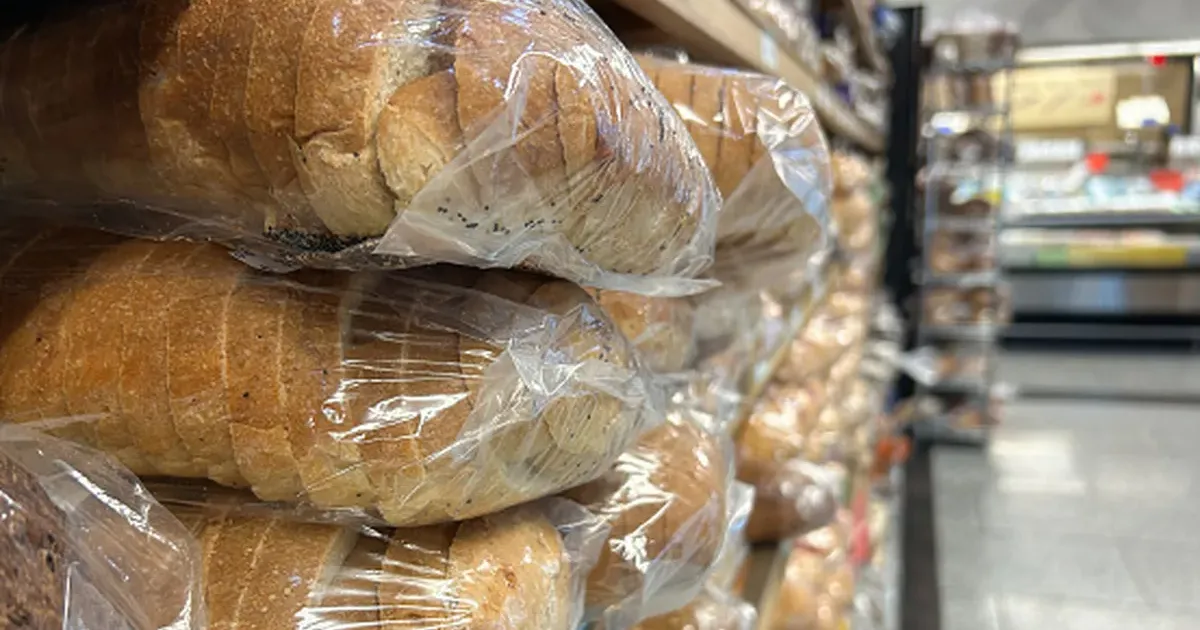
Trader Joe's grocery stores became the center of a culinary debate on April 5, 2026, as enthusiasts criticized a staple of the organic bread aisle. Analysts have turned their attention toward the Sprouted Wheat Multigrain loaf, a product marketed for its health benefits but frequently condemned for its structural integrity. While flavor profiles usually drive repeat purchases, the mechanical failure of a loaf can alienate even the most loyal brand followers.
Reports from disgruntled shoppers suggest the bread often arrives with a density that defies typical sandwich expectations. Texture dictates the success of any grain product, yet this specific variety appears to miss the mark. Instead of the soft, elastic crumb found in artisanal sourdough, consumers encounter a dry, crumbly consistency that fails under the weight of standard toppings. Because the bread lacks traditional flour processing, it misses the structural elasticity provided by developed gluten networks.
Chemical Challenges of Sprouted Grain Production
Sprouted grains undergo a specific enzymatic process that changes the carbohydrate profile of the seed. Enzymes like amylase begin breaking down starches into simpler sugars during the sprouting phase. While these changes increase nutrient bioavailability and lower the glycemic index, they also compromise the starch strength required for airy bread. High moisture levels during the initial sprouting phase can lead to a gummy interior if the baking temperature is not perfectly calibrated.
Bakers frequently struggle with these delicate biochemical balances during mass production. If the grains sprout for even a few hours too long, the resulting dough loses its ability to trap gas. Small deviations in the manufacturing timeline produce the heavy, brick-like loaves that have frustrated Trader Joe's customers. Consistency is the primary victim of these natural variations. Market data suggests that natural variations in grain quality are harder to mask in sprouted products than in refined white breads.
"The taste was inoffensive, but the texture was too hard to ignore," reported culinary analysts at Tasting Table.
Moisture retention persists as the most serious hurdle for this product line. Sprouted grains naturally hold more water, which should ideally lead to a moist crumb. Paradoxically, the Sprouted Wheat Multigrain often feels parched. This occurs when the outer crust bakes too quickly, trapping moisture in a way that eventually causes the bread to go stale before it even hits the store shelves. One single sentence captures the consumer frustration: the bread simply does not hold together.
Consumer Volatility in the Bread Aisle
Shoppers often choose sprouted varieties based on the perception of superior health benefits. These customers are typically willing to pay a premium for $4.49 per loaf, expecting a functional product that supports a nutrient-dense diet. When the bread crumbles or feels like cardboard, the benefit vanishes. Disappointed buyers have noted that the crust is frequently too tough to chew, requiring meaningful force to bite through a standard sandwich.
Frustration peaks when the bread is toasted. While heat usually revives stale bread, it often turns sprouted wheat into a brittle substance that shatters upon contact. Culinary experts note that the Maillard reaction, which browns the crust, happens differently with sprouted sugars. Instead of a golden, crispy finish, the bread may take on a charred, bitter edge. This unpredictability makes it a risky choice for high-stakes meal preparation or catering.
Reliability continues to be the foundation of the grocery industry. When a customer buys a loaf of bread, they are purchasing the promise of a successful meal. If the bread ruins the sandwich, the consumer blames the retailer. Trader Joe's has built an enormous following since 1967 by offering unique, high-quality alternatives, but the bread category remains a difficult segment to master without serious preservatives.
Private Label Sourcing and Quality Metrics
Private label agreements allow retailers to maintain lower prices by cutting out the middleman. Trader Joe's does not own its bakeries but instead contracts with regional suppliers to produce goods under its own name. Regional differences can lead to wild inconsistencies in texture across different states. A loaf purchased in California might feel entirely different from one bought in New York. Because these suppliers operate under tight margins, they might prioritize speed over the long fermentation times that sprouted grains require.
Efficiency often comes at the cost of artisan quality. Standard industrial ovens are designed for high throughput, which may not provide the gentle, humid environment sprouted dough needs to rise correctly. Without the addition of essential wheat gluten or other dough conditioners, the bread stays flat and dense. Such results are common when retailers push for a clean label that excludes the very additives that make commercial bread palatable. Consumers find themselves caught between the desire for health and the necessity of edible texture.
Inventory management also plays a role in the perceived hardness of the product. Bread begins to retrogress the moment it leaves the oven. Because Trader Joe's does not use standard chemical preservatives like calcium propionate, the window of peak freshness is exceptionally narrow. A loaf that spends too much time in a distribution center will inevitably reach the consumer in a sub-optimal state. Hardness is often just a symptom of a supply-chain that moves slightly slower than the bread's shelf life allows.
Sprouted Wheat Versatility and Culinary Alternatives
Buyers looking for healthier options have turned toward competitors like Ezekiel 4:9 or Dave's Killer Bread. These brands have invested decades into perfecting the sprouted grain formula to avoid the "sandpaper" texture often cited by critics of the Trader Joe's version. While those competitors often charge more, the consistency of their product justifies the cost for many. Loyalty to the Trader Joe's brand is tested every time a sandwich falls apart in a lunchbox.
Nutritionists suggest that shoppers who prioritize health should look for sprouted loaves that feel heavy for their size but still possess some give when squeezed. If the loaf feels like a solid block of wood in the plastic bag, it will likely be unpleasant to eat. Some users have found success by steaming the bread before use to reintroduce moisture. Most people do not want to perform a rescue operation on their lunch. Practicality will always weigh more than theoretical health benefits for the average worker on a short break.
The Elite Tribune Strategic Analysis
Is the cult-like devotion to the Trader Joe's brand blinding consumers to the reality of subpar manufacturing? For years, this retailer has enjoyed a reputation for curated excellence, yet the consistent failure of its sprouted bread line suggests a dangerous complacency in its quality control department. The company seems to be betting that its low price point and health-conscious labeling will outweigh the fundamental structural defects of the product. It is a cynical calculation that assumes the shopper will prioritize the optics of a healthy pantry over the actual utility of the food.
Marketing a product as "sprouted" has become a convenient shield against criticism regarding taste and mouthfeel. By framing the density as a natural consequence of health, the grocer evades the responsibility of providing a high-quality culinary experience. The record confirms a trend where "clean labels" serve as an excuse for lazy product development. If a loaf of bread cannot survive the journey from a plate to a mouth without disintegrating, it is not a loaf of bread; it is a collection of grains held together by hope.
This failure is a symptom of the broader private-label crisis. As retailers squeeze suppliers for lower costs, the first thing to go is the time-intensive process required for specialty grains. Trader Joe's must decide if it wants to be a provider of gourmet goods or a discount warehouse for health-adjacent disappointments. The current trajectory suggests the latter. Retaining the trust of the upper-middle-class demographic requires not simply quirky packaging and friendly bells. It requires a sandwich that stays together. Failure is inevitable.