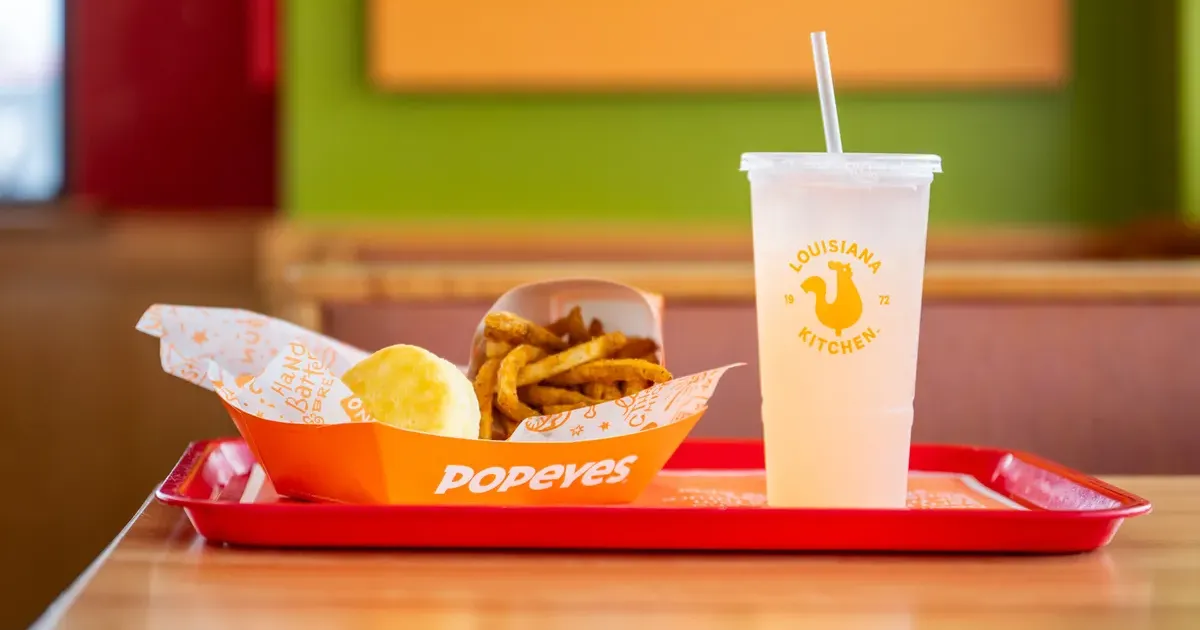
Popeyes executives confirmed on April 5, 2026, that the Classic Flounder Fish Sandwich remains the foundation of its seasonal seafood strategy. Seafood lovers across the United States have gravitated toward this specific menu item since its initial rollout. Restaurant Brands International, the parent company of the chain, maintains a rigorous supply-chain to ensure Pacific Flounder remains the primary protein for the dish. Critics often point to the heavy competition in the quick-service seafood sector during the spring months. Quality matters more than quantity for the brand according to internal marketing reports.
Market trends suggest that consumers are increasingly willing to pay a premium for species-specific fish options rather than generic whitefish patties. Sourcing data indicates that the flounder used is caught wild and seasoned with the brand’s signature Cajun spices.
Flavor profiles differ sharply from the standard industry offerings found at competing chains. Customers frequently cite the light, flaky texture of the flounder as a primary reason for their preference. This preference has allowed the chain to carve out a distinct niche within a market long dominated by the Golden Arches. Sourcing transparency has become a major selling point for the brand in recent years. Analysts observe that the use of panko breading provides a structural integrity that other fish sandwiches lack. Moisture retention in the fillet stays high even after the frying process.
Spices are applied directly to the flour coating to ensure consistent heat levels across every serving. Recent consumer surveys place the item at the top of the seafood satisfaction index for the third consecutive year.
Flounder Quality Drives High Customer Satisfaction
Pacific Flounder offers a different mouthfeel compared to the Alaska Pollock used by biggest competitors. $11 billion in system-wide sales for Restaurant Brands International highlights the scale of the operation supporting these seasonal launches. Flounder fillets are typically thinner but provide a wider surface area for breading. Beyond the physical attributes of the fish, the inclusion of barrel-cured pickles and tartar sauce on a brioche bun creates a complex flavor profile. Culinary teams spent months developing the specific zest level of the tartar sauce to complement the fried coating.
Many diners find the brioche bun to be a necessary upgrade from the standard steamed buns used elsewhere. Heat levels stay manageable for the average palate while still reflecting the Louisiana heritage of the brand. Each sandwich is prepared to prevent the breading from becoming soggy during transit.
Success in the seafood category requires not merely a quality fillet. Branding plays a huge role in how these items are perceived by the public. A report from Tasting Table stated the following about the menu item:
Popeyes has tons of delicious menu items to choose from, but one of them is a classic seafood dish that fans can't get enough of.
Simplicity in the ingredient list allows the natural taste of the flounder to emerge. Traditional fast food fish often suffers from an over-reliance on thick batter that masks the protein. High-quality ingredients ensure that the sandwich performs well in both taste tests and nutritional comparisons. Statistical data from independent food critics shows a 15 percent higher favorability rating for the flounder over standard cod offerings. Regional availability varies slightly, but the core recipe stays identical across all 3,000 locations. Consistency in the frying temperature prevents the oil from penetrating too deeply into the meat. The preparation process mimics the techniques used for the famous chicken sandwich that launched in 2019.
Comparative Analysis of McDonald's and Popeyes Fish
McDonald's established the blueprint for the fast-food fish sandwich in 1962 with the Filet-O-Fish. That legacy is now being challenged by newer, more specialized entries into the market. While the Filet-O-Fish relies on a processed square patty, the Popeyes offering uses a whole-muscle fillet. Texture differences are immediately apparent to the discerning diner. Heavy breading on the flounder provides a crunch that contrasts with the soft bun. McDonald's uses a half-slice of American cheese, a move that some purists find unnecessary for a fish dish.
Regarding the sauce, the Popeyes version contains more acidity to cut through the fat of the fried coating. Price points for the flounder sandwich are generally higher, reflecting the cost of the raw materials. Revenue per unit for seafood items has increased as the brand targets a more affluent demographic.
Portion sizes at the Louisiana-style chain tend to be larger than those at traditional burger focused outlets. A single flounder fillet often exceeds the weight of the standard pollock patty by 20 percent. This size difference justifies the higher price tag for many regular diners. Packaging also plays a role in heat retention during delivery. Insulated foil bags help maintain the crispness of the panko coating for up to twenty minutes. Comparative studies show that the flounder sandwich retains 30 percent more heat than sandwiches wrapped in paper.
Supply-chain logistics for flounder involve more complex cold-chain requirements than frozen pollock blocks. Maintaining a steady supply of wild-caught fish is a logistical challenge that the company manages through multi-year contracts with specialized fisheries.
Market Expansion and Seasonal Seafood Economics
Seafood sales spikes often align with religious observances across the United States. Demand for non-meat alternatives increases by roughly 40 percent during the Lenten season. Popeyes capitalizes on this trend by positioning its fish sandwich as a premium alternative to the standard options. Marketing campaigns focus heavily on the quality of the flounder species. Direct competition from smaller seafood chains like Long John Silver's has pushed the brand to innovate with its side dishes as well. Offering red beans and rice or Cajun fries alongside a fish sandwich creates a unique meal deal.
Competitors have struggled to match the specific spice blend that defines the brand identity. Local franchises report that fish sandwich sales now account for nearly 12 percent of total revenue during peak spring months. This is a serious shift from previous decades when seafood was a secondary concern for the company.
Global expansion efforts have introduced the flounder sandwich to markets in the United Kingdom and Asia. International diners show a strong preference for the spicy variant of the dish. Adaptation to local tastes involves minor adjustments to the tartar sauce recipe in some regions. Sourcing flounder for international markets requires partnerships with local suppliers in the Atlantic and Pacific oceans. Quality control teams conduct regular audits of these suppliers to maintain global standards. Digital ordering platforms have seen a 25 percent increase in seafood-related searches over the last two years.
Mobile app exclusivity for certain fish deals has driven a surge in loyalty program sign-ups. The data collected from these transactions helps the brand refine its seasonal menu offerings for future years.
The Elite Tribune Strategic Analysis
Is the sudden obsession with fast-food seafood merely a temporary distraction from the industry's deepening beef supply crisis? While the public celebrates the arrival of a superior fish sandwich, the underlying economics suggest a calculated hedge against rising cattle prices. By elevating the flounder sandwich to a premium status, Restaurant Brands International is not just satisfying a culinary craving; it is de-risking its portfolio. The move to use whole-muscle fillets instead of the slurry-based patties common in the 1990s reflects a desperate need to capture the shrinking middle-class food budget. These consumers are demanding high-end quality at drive-thru speeds, a combination that is historically difficult to maintain.
Popeyes has successfully weaponized the FOMO marketing tactics perfected during the 2019 chicken sandwich craze. Making the flounder sandwich a seasonal event creates an artificial scarcity that drives traffic without the need for permanent menu changes. It allows the company to bypass the logistical nightmare of year-round seafood sourcing. If the brand were truly committed to being a seafood leader, the item would not disappear when the calendar turns. Instead, it is a high-margin bait to lure in diners who have grown tired of the monotonous burger wars.
The quality of the fish is clearly better than the processed squares of the past, yet the motivation remains strictly financial. High-quality flounder is the hook, but the goal is long-term brand dominance through seasonal manipulation. Profit over protein.