Fresh Seasonal Dynamics Define the Early 2026 Plate
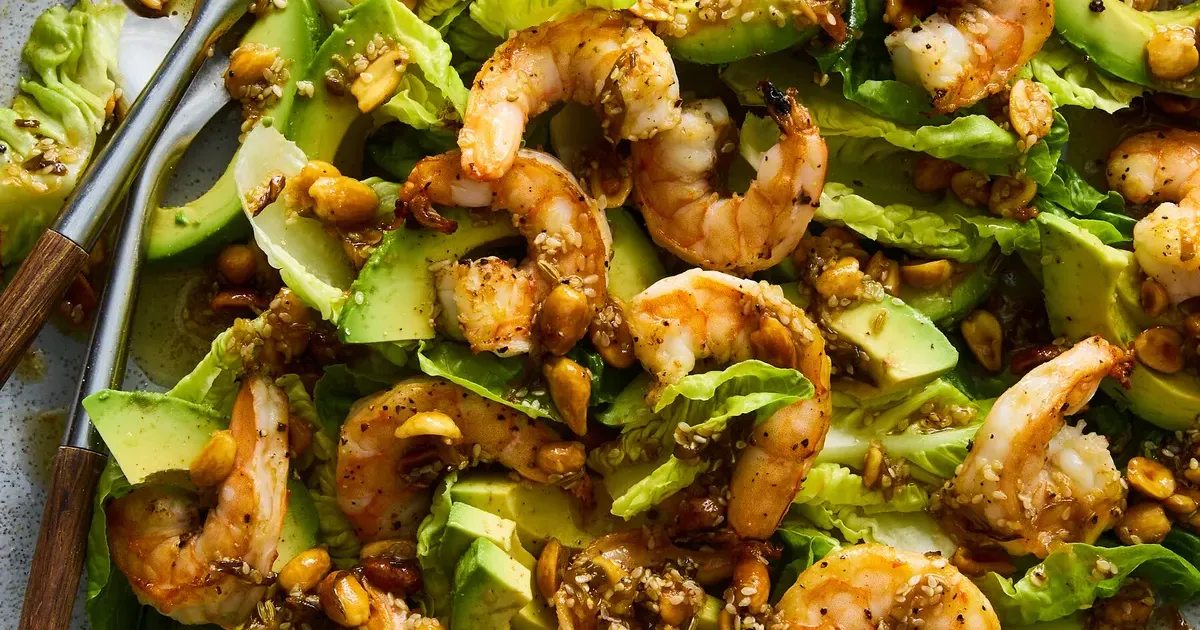
March 2026 arrives with a distinct change in the rhythm of American and British kitchens. Coastal markets and urban grocery hubs report a sharp uptick in demand for lighter proteins and fresh fats, signaling the annual retreat of heavy winter braises. Expert observers at Reuters and Bloomberg note that the transition occurs earlier this year, driven by a strong avocado harvest and stabilizing shrimp prices. One specific dish has captured the imagination of seasonal cooks: a vibrant shrimp and avocado salad finished with a hot, sizzled peanut dressing. Such a combination relies on the immediate contrast between cold greens and the searing aromatic oil that carries the earthy weight of toasted peanuts.
Food logistics data indicates that March usually presents a challenge for produce variety, yet the 2026 season benefits from expanded greenhouse capacity in Northern Europe and favorable growing conditions in Michoacán. Avocados have moved from a luxury staple to a central component of high-protein lunch menus across London and New York. While earlier reports from The Wall Street Journal focused on supply chain volatility, current inventory levels suggest a period of relative calm. Prices for Haas varieties remain competitive, allowing home cooks to experiment with the fruit as a creamy counterpoint to more aggressive textures like grilled seafood or charred legumes.
High protein energizing spring salad trends are not merely a lifestyle choice but a reflection of a changing workday. Modern professionals increasingly favor meals that provide sustained satiety without the post-lunch fatigue associated with heavy carbohydrates. Shrimp serves as the ideal vessel for this nutritional strategy. When quickly poached or seared, the crustacean offers a lean protein profile that absorbs external flavors without losing its snap. Critics often debate the merits of wild-caught versus farmed shrimp, but 2026 standards for sustainability have narrowed the gap in quality and ethical sourcing.
The Science of the Sizzle and Flavor Infusion
Technique remains the invisible ingredient that separates a standard salad from a restaurant-quality experience. The sizzled peanut dressing employs a method common in Sichuan and Southeast Asian cuisines, where hot oil is poured directly over raw aromatics or crushed nuts to bloom their essential oils. This specific technique creates a depth of flavor that cold whisked vinaigrettes cannot replicate. It transforms the humble peanut from a snack into a savory anchor. By heating oil until it just begins to shimmer and then introducing it to crushed peanuts, garlic, or chili, the cook initiates a rapid Maillard reaction that distributes toasted notes throughout the entire dressing.
Heat acts as the primary catalyst here. Cold fats often mask the nuances of fresh produce, but a warm dressing allows the floral notes of the avocado and the sweetness of the shrimp to emerge. Culinary scientists suggest that the fat in the avocado works in tandem with the peanut oil to carry fat-soluble vitamins, making the meal as functional as it is flavorful. Still, the window of perfection is small. If the oil is too hot, the peanuts turn bitter, but if it is too cool, the aromatics remain raw and pungent. Success depends on the precise management of temperature and timing.
Culinary shifts toward these complex textures indicate a more sophisticated home cook. Market researchers have observed that shoppers are buying more whole nuts and raw oils, moving away from pre-packaged shelf-stable dressings. This seasonal pivot toward DIY flavor bases suggests a desire for transparency and customization. People want to know exactly which fats are entering their systems, and the simplicity of a sizzled oil dressing provides that clarity.
Market Impact of March 2026 Avocado Prices
Economic indicators show that March 2026 avocado market prices spring into a more affordable bracket than the previous winter months. Increased acreage in California has supplemented the steady flow of Mexican imports, providing a buffer against the inflation that plagued the produce sector in late 2025. Grocers are leveraging this abundance by featuring avocados in cross-promotional displays alongside domestic shrimp and artisanal peanut butters. Because the fruit is now accessible to a broader demographic, the shrimp and avocado salad has transitioned from an upscale bistro item to a household staple.
Complexity in global shipping routes once threatened the availability of Southeast Asian peanuts, but domestic production in the American South has surged to fill the void. Georgia and South Carolina farmers report record yields for the 2025-2026 cycle, ensuring that the "sizzled" component of this spring trend remains affordable. While some analysts at the Financial Times point to a slight rise in specialty oil costs, the overall cost-per-plate for a shrimp-based salad remains lower than beef or lamb alternatives.
Balance remains the most difficult element to achieve in any seasonal transition. A salad that is too light fails to satisfy, while one that is too heavy ignores the spirit of the season. The inclusion of shrimp provides the necessary heft to make the meal feel substantial enough for dinner. When paired with the richness of a peanut-based sauce, the dish occupies a unique space between a refreshing appetizer and a comforting main course.
Freshness is the ultimate currency in March.
Chefs are increasingly emphasizing the "energizing" aspect of these recipes. They argue that the combination of omega-3 fatty acids from the seafood, monounsaturated fats from the avocado, and the protein from the peanuts creates a metabolic profile that supports an active lifestyle. Such claims are backed by a growing body of nutritional research favoring Mediterranean and Asian-inspired diet patterns. As the weather warms, the psychological need for bright, colorful food becomes as important as the physical need for nourishment.
Simplicity often masks the rigorous sourcing required for a truly great salad.
Every component must be at its peak. The shrimp should smell of the sea, the avocado must yield to gentle pressure without being soft, and the peanuts must be recently roasted to avoid rancidity. When these elements align, the result is a dish that feels like an intentional celebration of the calendar. This culinary evolution toward high-quality, minimally processed ingredients defines the current era of home cooking.
The Elite Tribune Perspective
Why do we insist on calling labor-intensive culinary techniques "easy" just because they happen in a single bowl? The industry is currently obsessed with the narrative of the effortless spring meal, yet any cook worth their salt knows that a sizzled peanut dressing requires more focus than a slow-roasted roast. We are being sold a lie of convenience to mask the fact that quality eating in 2026 requires an exhausting level of sourcing and precision. To find truly fresh shrimp and perfectly ripe avocados in the same week is a logistical miracle that most consumers take for granted. We have become a culture that demands the complexity of global fusion flavors with the time commitment of a microwave dinner. The shrimp and avocado salad is delicious, yes, but let us stop pretending it is a casual Tuesday whim. It is a calculated performance of middle-class health consciousness. If you want the sizzle, you have to earn the heat. The real investigative story here is not the recipe itself but the hidden costs of the perfect spring aesthetic. We demand year-round freshness and then act surprised when the global supply chain groans under the pressure of our seasonal desires.