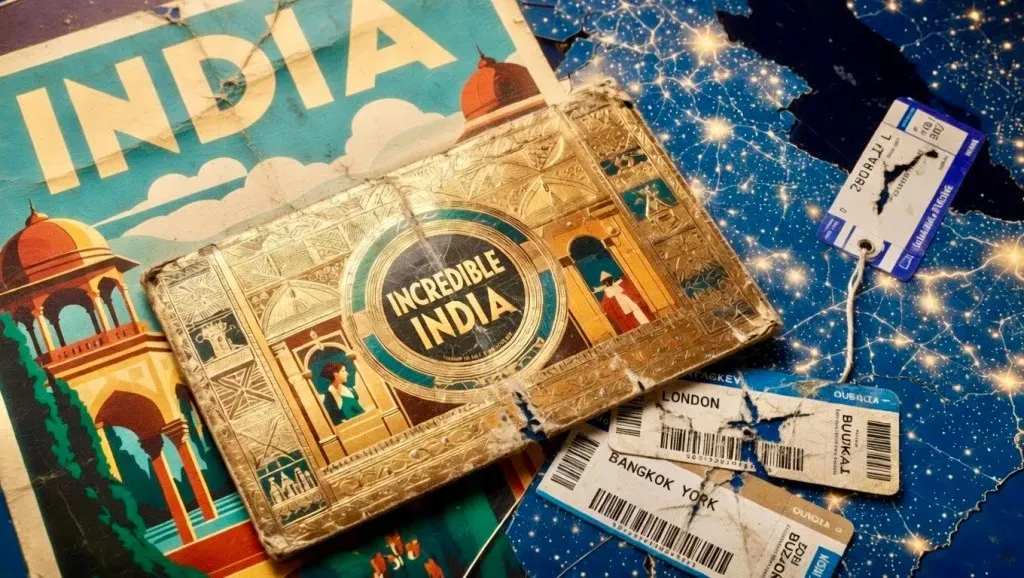
New Delhi officials confirmed that the long-running Incredible India marketing brand will undergo a total structural overhaul. The decision was outlined on April 1, 2026. Government representatives indicated the strategy, which was the primary face of the nation to the outside world for twenty-four years, no longer aligns with the fiscal reality of the domestic economy. Travelers from the United States and United Kingdom, once the primary targets of glossy magazine spreads and television commercials, have been displaced by a growing middle class within the subcontinent. Growth in the domestic sector now dictates the priorities of the Ministry of Tourism, signaling a retreat from expensive global advertising campaigns. Evolution of the travel sector has forced a reassessment of how tax dollars are allocated across the 28 states. Spending on international roadshows and high-budget cinematic trailers in New York or London has been slashed in favor of localized infrastructure. Bureaucrats in the capital argue that the return on investment for foreign marketing has diminished compared to the explosive potential of home-grown transit. Primary focus has shifted to the 1.7 billion domestic trips recorded annually, a number that dwarfs the recovery rate of international arrivals. International tourism figures have struggled to regain their 2019 momentum, largely due to visa complexities and rising costs in luxury hospitality. Success for the Indian economy now relies on the velocity of money moving between Tier 2 and Tier 3 cities. Local residents, empowered by rising disposable income, are filling hotel rooms that once relied exclusively on foreign currency. Beyond the major hubs of Delhi and Mumbai, the surge in local spending is reshaping the hospitality map.
Economic sovereignty requires a focus on internal demands.
New Delhi Reshapes Inbound Tourism Strategy
Officials at the central government level have quietly dismantled the overseas offices that once managed the Incredible India campaign. These outposts in Tokyo, Dubai, and New York provided a direct link to foreign travel agents, yet their operating costs became difficult to justify. Infrastructure projects like the UDAN regional airport scheme now receive the funding that previously paid for Times Square billboards. So, the narrative of the country as a destination for foreign exploration is being replaced by a narrative of national accessibility.
Data provided by hospitality analysts suggest that domestic travelers now account for over 90% of hotel occupancy in several key regions. While international visitors frequently followed the Golden Triangle route of Delhi, Agra, and Jaipur, the Indian traveler explores newer, diverse destinations. Investment follows this movement, flowing into hill stations and coastal retreats that offer zero international visibility. Resulting construction booms in these areas emphasize utility and volume over the bespoke luxury demanded by Western visitors.
Institutional memory of the 2002 launch of the campaign centers on Amitabh Kant, the bureaucrat who helped forge the brand into a global phenomenon. His vision transformed the perception of the nation into a high-end experience, yet the current administration sees that model as outdated. Market dynamics have changed, and the sheer scale of the Indian population makes foreign visitors a secondary consideration for the treasury. Infrastructure bottlenecks at the Indira Gandhi International Airport reflect the wider logistical pressures causing March travel disruptions to break global infrastructure.
Domestic Market Drivers and Religious Infrastructure
Religious tourism is the new foundation of the national travel strategy. Sites like Ayodhya and Varanasi have witnessed multibillion-dollar investments in connectivity and lodging. These locations do not require expensive international PR agencies to attract crowds. Millions of pilgrims travel across state lines daily, creating a steady, predictable revenue stream that international leisure travel cannot match. Infrastructure at these sites focuses on high-capacity transport and mass-market lodging rather than boutique aesthetics.
Industry experts observe that the average Indian traveler is younger and more tech-savvy than the traditional Western visitor. Mobile connectivity and digital payment systems have removed the friction that once hindered local movement. Beyond the spiritual centers, adventure tourism in Rishikesh and eco-tourism in the Northeast are thriving due to local demand. National pride, combined with increased mobility, has turned domestic exploration into a status symbol for the professional class.
Skift analysis describes the change as a shift from selling India abroad toward building infrastructure and products for travelers at home.
State governments have followed the federal lead by tailoring their promotions to nearby neighbors. Kerala and Rajasthan, once the darlings of the international circuit, now run aggressive campaigns in Kannada and Bengali. Diversification of the visitor profile protects these states from global economic shocks or health crises that typically paralyze international travel. Stability, in this context, is found in the local populace.
Aviation Sector Expansion and Fleet Procurement
Aviation companies are betting heavily on the continued dominance of the domestic traveler. Major carriers like Air India and IndiGo have placed some of the largest aircraft orders in history, totaling hundreds of narrow-body jets designed for short-haul routes. These planes are not intended for transcontinental flights to London or San Francisco. Instead, they will connect smaller regional hubs, bringing air travel to millions who previously relied on the rail network.
Fleet expansion correlates directly with the government's push to build 100 new airports by the end of the decade. Private equity firms and infrastructure conglomerates see more profit in regional connectivity than in the volatile international market. Competition among airlines has driven down prices, making a flight between Bengaluru and Hyderabad as affordable as a premium train ticket. Aviation is no longer the preserve of the elite; it is a tool for mass transit.
Profitability for these airlines depends on high load factors and quick turnarounds. International routes, while prestigious, often carry higher risks and lower margins due to intense global competition. By focusing on the internal market, Indian carriers can maintain a dominant position without the need for codeshare agreements or foreign alliances. This strategy mirrors the broader shift toward economic self-reliance seen across the South Asian subcontinent.
Local Consumption Outpaces Global Arrivals
Consumer behavior indicates a preference for short, frequent breaks over the long-haul vacations preferred by previous generations. Weekend getaways have become the standard for urban workers in the technology hubs of the south. Hotels have responded by offering staycation packages and co-working spaces that cater to digital nomads. These structural changes in the work-life balance ensure that the hospitality sector remains active throughout the year, instead of relying on the traditional winter peak for foreign arrivals.
Rising fuel costs and currency fluctuations make international trips more expensive for the average citizen, further encouraging local travel. Government policies like the Leave Travel Concession (LTC) for state employees also play a meaningful role in subsidizing the domestic market. These financial incentives ensure that the tourism industry remains insulated from the whims of the global traveler. National identity is increasingly tied to the act of seeing one's own country.
Financial analysts at JPMorgan Chase have noted that the Indian travel market is one of the few global sectors showing consistent double-digit growth. This expansion is driven by a virtuous cycle of infrastructure investment and consumer spending. While the sunset of the Incredible India brand might be seen as the end of an era by cultural critics, it is viewed as a pragmatic victory by the treasury. Numbers do not lie, and the numbers favor the domestic traveler.
India's Tourism Bet Turns Inward
Is the abandonment of the Incredible India brand a sign of newfound economic confidence or a defensive retreat from the global stage? New Delhi has made a calculated choice to trade international soft power for domestic tax revenue. For decades, the country spent millions to curate an image of mystical allure for the Western gaze. That gaze has now been deemed irrelevant. By prioritizing the internal market, the government is effectively saying that the Indian consumer is the only audience that matters. This is a cold, protectionist pivot disguised as a logistics triumph.