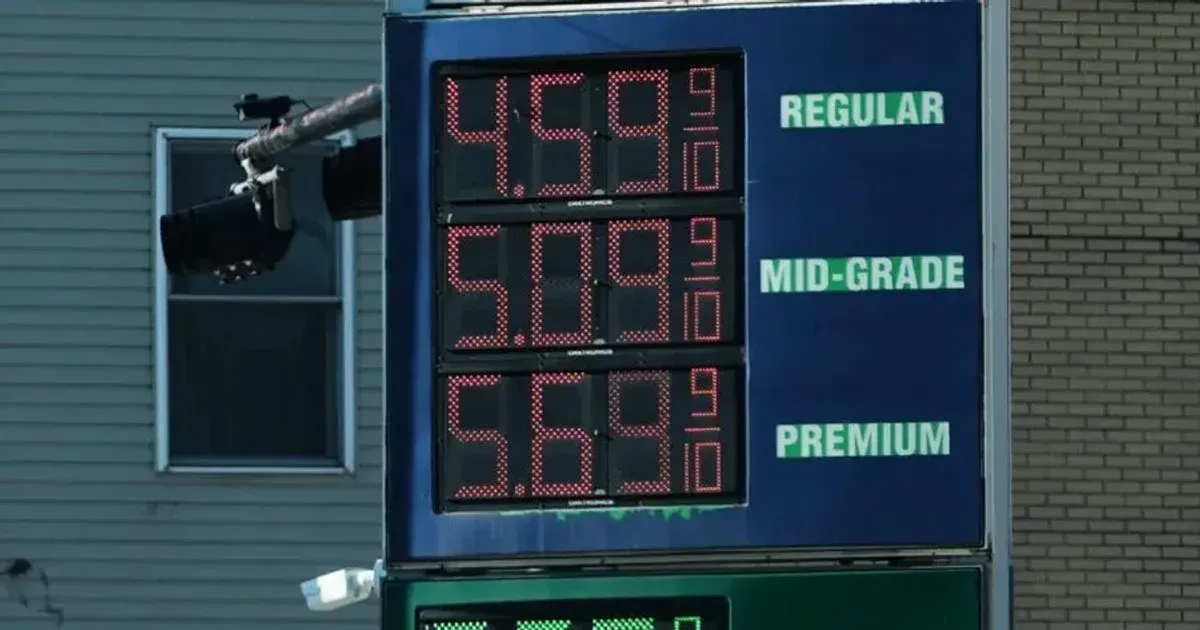
Record diesel prices in six states are turning an energy-market problem into a broader cost-of-living issue. Diesel powers freight, farming and construction, so increases at truck stops eventually move into grocery bills, delivery fees and retail prices. AAA reported the record levels as gasoline averages also moved toward historic highs. The April 7, 2026, data gave lawmakers another reason to debate short-term relief, but the supply problem is deeper than a single tax holiday or reserve release.
Historical Volatility and Current Market Constraints
Consumer sentiment remains tethered to the fluctuating digits at the pump, which serve as a daily barometer for national economic health. Rising crude oil costs combined with limited refinery capacity have pushed fuel costs into territory rarely seen since the energy shocks of previous decades. Energy analysts at AAA confirm that the national average for diesel has eclipsed former peaks in California, Maine, and Pennsylvania. Inventory levels for ultra-low sulfur diesel stay at levels roughly 15 percent below the five-year seasonal average.
Gasoline prices, while not yet setting all-time records across every jurisdiction, are trending upward at a rate that alarms logistics managers and commuters. National averages sit within cents of the historical high-water mark established during the post-pandemic recovery. Refineries on the Gulf Coast report high utilization rates, but these facilities cannot fully compensate for the loss of older processing units in the Northeast. Regional shortages contribute to localized price spikes that exceed the national mean.
Diesel Price Disparities Across American Regions
Diesel fuel is the primary propellant for the American freight system and industrial machinery. Record-breaking costs in specific states create a wider effect that touches every segment of the consumer economy. Transportation firms in New York and Massachusetts report that fuel surcharges have increased by nearly 30 percent since the beginning of the year. Independent truckers find their margins evaporating as they pay more than $5.15 per gallon at several high-volume truck stops.
Logistics experts note that diesel price trends often diverge from gasoline due to different global demand profiles. Heavy industry and maritime shipping rely heavily on distillates, making these fuels more susceptible to international supply disruptions. While gasoline demand exhibits some elasticity as families cancel road trips, the diesel market is relatively inelastic. Trucks must move food and medicine regardless of the cost at the pump.
“Gas prices are not just a number on a sign,” The Washington Post editorial team wrote on April 7, 2026.
Officials at the Department of Energy are under intense scrutiny as they evaluate possible interventions in the domestic market. Discussions regarding another release from the Strategic Petroleum Reserve have gained traction among members of Congress. Some representatives argue that a temporary suspension of the federal gas tax would provide immediate relief to households. Opponents of the plan cite the potential loss of revenue for critical highway maintenance projects.
This pressure compels lawmakers to consider temporary tax holidays that may only provide a short-term reprieve. White House officials have met with executives from several major oil producers to discuss increasing domestic production capacity. Projections for the coming quarter indicate that prices will stay elevated unless a substantial increase in refinery output occurs. Voters consistently rank energy costs as a top priority for the upcoming legislative session.
Political analysts suggest that the psychological impact of fuel pricing outweighs many other economic indicators for the average voter. Prices displayed on street corners offer a visibility that unemployment figures or GDP growth rates lack. This price discrepancy stems from localized refinery maintenance schedules that coincide with a seasonal shift in fuel blends. High costs for these specialized mixtures often lead to a direct pass-through for the end-user.
Regional variations in fuel taxes and environmental regulations further complicate the pricing map. States with the highest diesel records often maintain the most stringent carbon-offset requirements or the highest per-gallon excise taxes. These policy choices interact with global market forces to create a high-cost environment for regional businesses. Many companies now investigate alternative routes to minimize mileage through high-cost states.
Regulatory filings reveal that energy companies are reaping substantial profits during this period of high pricing. These earnings reports fuel a disputed debate about the causes of current inflation. While some blame corporate profiteering, market analysts point to a decade of underinvestment in new refinery infrastructure. Environmental policies that discourage long-term fossil fuel projects have limited the industry's ability to respond to demand surges.
Agricultural sectors feel the brunt of rising diesel costs as the spring planting season begins. Tractors and harvesters require vast quantities of fuel that now cost far more than the previous year. Farmers indicate that these increased overheads will eventually manifest as higher prices at the grocery store. Wholesale produce distributors are already adjusting their contracts to account for rising freight expenditures. Consumer behavior is shifting as the cost of commuting becomes a larger portion of the monthly household budget. Surveys indicate a renewed interest in hybrid and electric vehicles as a hedge against future volatility. Public transit systems in urban centers report a slight uptick in ridership during peak hours. Retailers worry that less disposable income will lead to a decline in discretionary spending throughout the summer months.
Diesel Prices Travel Through Everything
Diesel matters because it travels through nearly every physical supply chain. When it rises, consumers may not see the fuel invoice, but they feel the cost in food, shipping and services. That makes the policy response difficult. A reserve release or tax pause can ease pressure for a moment, but durable relief depends on refining capacity, inventories and a less fragile fuel system.