Budget Spice Wars Heat Up in the Discount Aisle
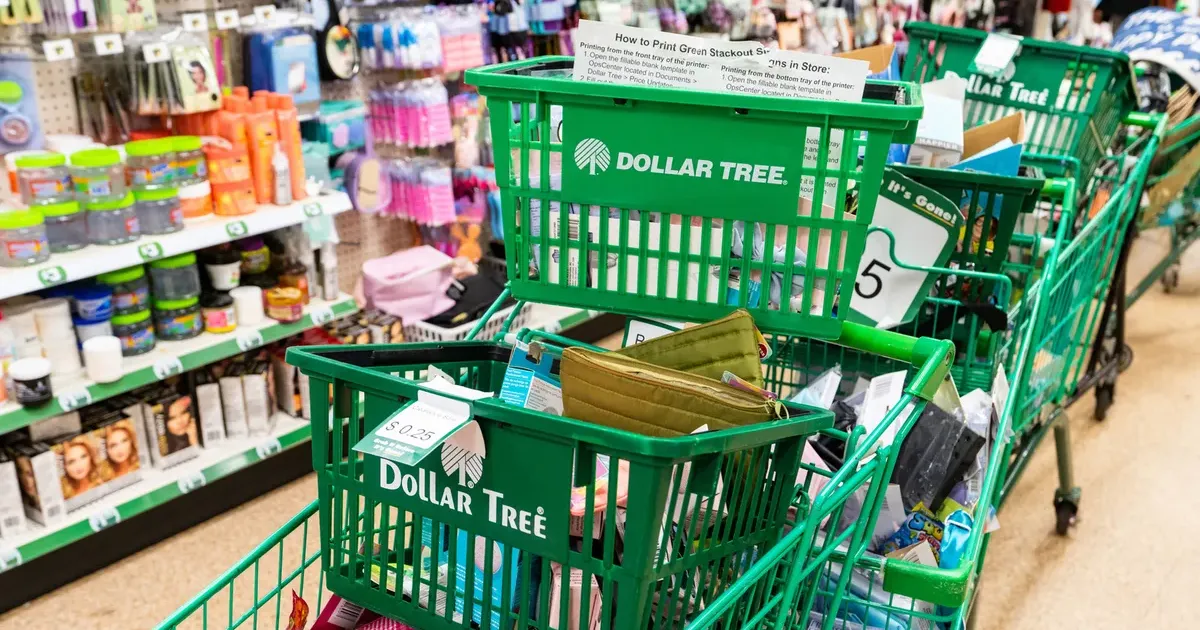
Empty shelves at a suburban Dollar Tree in early March 2026 highlight a shift in how American shoppers approach their pantries. The hunt for affordable luxury has moved from the skincare aisle to the condiment shelf, where a $1.25 jar of Supreme Tradition Chili Onion Crunch is currently challenging the dominance of high-end grocers. For years, Trader Joe's held the crown for this specific oil-based infusion, creating a cult following that spawned countless recipes and social media tributes. Now, the math of the grocery bill is forcing a re-evaluation of brand loyalty.
Condiment enthusiasts frequently travel miles to secure the Trader Joe's version, which typically retails for more than four dollars. Supreme Tradition, a private label frequently found in discount chains, offers a visually identical product at a fraction of that cost. While the price difference seems small on a single item, it reflects a broader trend of consumers seeking out alternatives for name-brand staples. Market analysts note that the rise of the discount dupe culture is no longer limited to fashion or beauty. It has firmly taken root in the specialty food sector, where flavor profiles are being reverse-engineered to meet the needs of inflation-weary households.
Trader Joe's introduced its Chili Onion Crunch years ago, drawing inspiration from traditional Chinese chili crisps like Lao Gan Ma. That product relied on a balance of crunchy dried garlic, onions, and red chili flakes suspended in olive oil. It became a staple because of its versatility, appearing on everything from avocado toast to vanilla ice cream. Still, the increasing cost of specialty oils and logistics has pushed the price of the original version higher, leaving a gap for extreme discounters to fill. Supreme Tradition stepped into this void with a version that looks the part but adjusts the chemistry to hit a lower price point.
Flavor comparisons between the two products reveal a distinct divergence in heat levels and texture. Enthusiasts who have sampled both jars report that the Dollar Tree version leans more heavily on the onion and garlic notes while offering a milder spice profile. The heat in the Trader Joe's original is sharp and lingering, whereas the budget alternative provides a savory, umami-forward experience that dissipates quickly. Some home cooks prefer this milder profile, arguing it allows the flavor of the base dish to shine through without overwhelming the palate. Others find the lack of fire a deal-breaker, choosing to supplement the jar with their own dried pepper flakes.
Price remains the primary driver for the sudden popularity of the Supreme Tradition variant.
Ingredient lists offer a clear explanation for how Dollar Tree maintains its $1.25 price point. Trader Joe's utilizes olive oil as its primary carrier, a choice that adds a specific richness and a higher nutritional profile. Supreme Tradition relies on soybean oil, a sharply cheaper alternative that lacks the distinct peppery finish of olive oil. also, the density of the crunch elements differs. The discount version features a higher ratio of oil to solids, which some users find frustrating when trying to scoop out the crispy bits at the bottom of the jar. Yet, for many, these technical differences are overshadowed by the reality of a three-dollar savings per unit.
Manufacturing data suggests that private-label products are increasingly coming from the same facilities that produce higher-end goods, though recipes are tweaked to meet specific cost targets. While there is no confirmation that these two specific products share a production line, the similarities in packaging and flake size are striking. Retailers like Dollar Tree have invested heavily in their food supply chains over the last twenty-four months, moving away from simple canned goods toward gourmet-adjacent products. This strategy aims to capture a demographic that previously ignored discount stores but is now looking to stretch a middle-class income.
Quality often takes a backseat to convenience in the discount aisle.
Social media platforms like TikTok have accelerated the discovery of these budget alternatives. Influencers post side-by-side taste tests, often concluding that the flavor of the cheaper option is eighty percent as good as the original. In a 2026 economy where food costs remain a top concern for voters, that eighty-percent parity is good enough for most. The phenomenon has led to a gold rush in the spice aisle, with shoppers clearing out entire cases of the Supreme Tradition jars to stock their basements. This hoarding behavior is a direct echo of the early days of the chili crisp craze, only now the motivation is fiscal preservation rather than culinary trend-setting.
Economics of the condiment market are shifting as shoppers realize they can replicate the experience of a luxury pantry for under twenty dollars. A basket containing generic pasta, discount chili crunch, and private-label parmesan provides a meal that mimics a specialty deli experience for a fifth of the price. Retail giants are watching this behavior closely. If consumers continue to find satisfaction in these cheaper iterations, the brand power of stores like Trader Joe's may begin to erode. The competition is no longer just about who has the most exotic ingredients, but who can deliver a passable version of those ingredients for the lowest possible price.
Fans of the original product point out that the texture of the Trader Joe's crunch is more consistent across batches. The dried onions in the premium version retain a specific snap that the soybean oil-soaked flakes of the Dollar Tree version sometimes lack. However, the sheer volume of positive reviews for the Supreme Tradition brand indicates that for the average consumer, the texture difference is negligible. Many users report using the budget version as a base and adding their own toasted sesame seeds or red pepper flakes to bridge the quality gap. This DIY approach to discount products is becoming a hallmark of the modern kitchen.
Future growth in the discount food sector will likely focus on these types of high-impact flavor enhancers. It is easier for a retailer to convince a customer to swap their expensive chili oil for a cheap one than it is to get them to change their preferred brand of coffee or milk. Condiments are low-risk trials. If the $1.25 jar is terrible, the loss is minimal. If it is good, the customer feels they have discovered a secret hack that saves them fifty dollars a year. That psychological victory is a powerful tool for discount retailers looking to build long-term loyalty in a crowded market.
The Elite Tribune Perspective
Why are we pretending that a $1.25 jar of soybean oil and dehydrated onion is a victory for the American consumer? The obsession with food dupes is not a sign of a healthy economy or a savvy public, but a surrender to the mediocrity of industrial manufacturing. We have become so conditioned by rising costs that we are willing to sacrifice the integrity of our ingredients for the sake of a few saved pennies. Trading olive oil for soybean oil is a nutritional regression disguised as a budget hack. It is a race to the bottom where flavor is replaced by salt and umami additives that mimic real food without providing its substance. The cult of the discount dupe celebrates the ability of a massive corporation to strip away quality until only the appearance of luxury remains. If you believe that a dollar-store imitation is truly the same as a carefully sourced original, you aren't a smart shopper, you are simply someone who has forgotten what real food tastes like. We should be demanding lower prices for high-quality staples instead of applauding the arrival of more cheap fillers in our pantries. A jar of oil shouldn't be a luxury, but a cheap imitation shouldn't be a cause for celebration either.