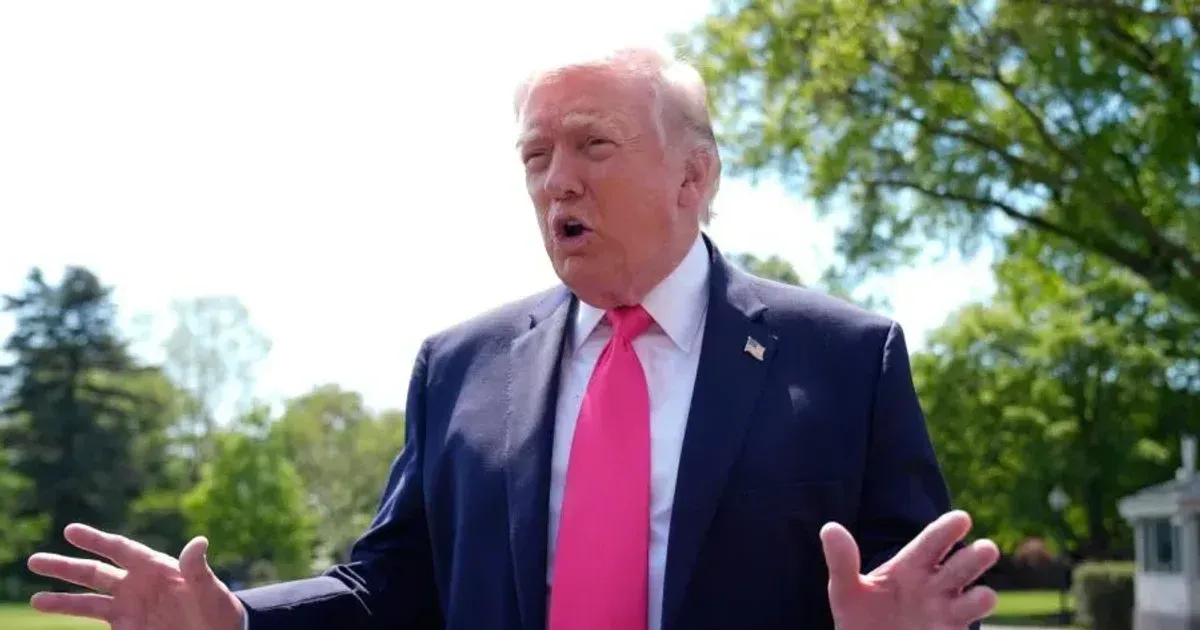
The public deadline narrows room for private compromise before either side can claim progress. It also raises the cost of walking back maximal demands. Trump’s Wednesday deadline gave Iran diplomacy a public clock and a sharper escalation risk. President Donald Trump declared on April 20, 2026, that he is highly unlikely to extend the current ceasefire with Iran beyond Wednesday evening. Speaking in a telephone interview with White House correspondent Jeff Mason, the president confirmed that the two-week truce expires shortly. Negotiators now face a frantic 48-hour window to reach a definitive agreement before military operations potentially resume in the region.
Vice President JD Vance is scheduled to arrive in Islamabad on Tuesday to lead the American delegation for a second round of high-pressure talks. Pakistan has assumed a central role as a neutral intermediary during this period of heightened geopolitical friction. Islamabad provides the physical and diplomatic space necessary for these specific back-channel communications between Washington and Tehran. The selection of the Pakistani capital reflects the deep distrust that prevents direct meetings on American or Iranian soil.
Vance Dispatches to Islamabad for Second Round
Diplomatic status reports indicate the situation is shifting in real time as the clock ticks toward the midweek expiration. Vice President JD Vance expects to meet with high-ranking Iranian officials to bridge the substantive gaps remaining in the draft treaty. Success depends on resolving disputes over nuclear enrichment levels and the permanent lifting of primary economic sanctions. Islamabad remains a fortress of security as the world watches the outcome of these discussions.
Tehran maintains that any long-term peace depends on the United States providing verifiable guarantees against future withdrawal from the agreement. Iranian negotiators have used the ceasefire period to consolidate their position and consult with regional allies. Reports from the ground suggest that the Iranian delegation arrived with a mandate to seek immediate sanctions relief. No clear evidence suggests that the two sides have agreed on a shared sequence for these concessions.
While the New York Times reports that talks appear on track to resume despite mixed signals, other analysts suggest the progress is largely superficial. Disagreements over monitoring protocols at Iranian military sites continue to stall the technical committees. Iranian officials have privately expressed skepticism about the American commitment to a lasting deal. The diplomatic corps in Pakistan is currently preparing for what many expect to be an all-night session starting Tuesday.
Strategic Deadlock in the Strait of Hormuz
Naval tensions in the Strait of Hormuz have complicated the diplomatic efforts since the ceasefire began. This maritime corridor is the primary conduit for a significant part of the world's daily oil supply. Iran has increased its presence in these waters, claiming the need for heightened security during the peace process. American officials view these maneuvers as a form of coercive diplomacy intended to influence the Islamabad talks.
Military analysts observe that both Iran and the United States believe they possess the superior hand in the current standoff. Iran views its proximity to global energy chokepoints as ultimate leverage against Western economic stability. Washington relies on its naval superiority and the efficacy of the sanctions regime to force a favorable settlement. Neither side appears willing to concede that their strategic assumptions might be flawed.
Energy markets have reacted with extreme volatility to the looming Wednesday evening deadline. Crude oil futures rose sharply after the White House confirmed its stance on the ceasefire extension. Shipping companies have already started rerouting vessels or increasing insurance premiums for transits near the Persian Gulf. These economic pressures are weighing heavily on the negotiators as they gather in the Pakistani capital.
Washington Sets Firm Wednesday Evening Deadline
President Donald Trump made his position clear during the interview when he addressed the timeline of the truce. He noted that the ceasefire ends on Wednesday evening Washington time. The administration seems determined to avoid a cycle of rolling extensions that might allow Iran to delay a final decision. This approach puts the burden of choice directly on the Iranian leadership.
“I am highly unlikely to extend the ceasefire with Iran if Wednesday evening comes and goes without a peace deal,” Trump said.
White House officials emphasize that the president is prepared to return to a policy of maximum pressure. The administration has drafted a series of new executive orders that would target third-party countries continuing to trade with Tehran. These measures are currently on standby, awaiting the outcome of the Islamabad summit. Domestic political considerations in the United States also favor a decisive resolution over a prolonged stalemate.
Critics of the current strategy warn that a hard deadline could inadvertently lead to a kinetic escalation. If the ceasefire expires without a deal, the likelihood of maritime incidents in the Strait of Hormuz increases dramatically. Naval commanders on both sides are currently operating under high-alert protocols. Miscalculations by regional proxies could also trigger a wider conflict that neither Washington nor Tehran originally intended.
Geopolitical Calculations and Pakistani Mediation
Pakistani officials have worked tirelessly to maintain the integrity of the mediation process over the last fourteen days. Islamabad has a vested interest in regional stability to protect its own fragile economic recovery. Foreign Minister Jalil Abbas Jilani has been acting as a primary liaison between JD Vance and his Iranian counterparts. The Pakistani government has provided logistical support and security for the American delegation throughout the process.
Recent intelligence suggests that Iran might be looking for a face-saving exit that allows for partial compliance in exchange for limited relief. Such a middle ground has not yet been accepted by the Trump administration. The president has consistently demanded a comprehensive agreement that addresses ballistic missiles and regional influence. Tehran has categorized those topics as non-negotiable red lines for its national defense. Global leaders have urged both parties to prioritize the ceasefire extension as a confidence-building measure. European diplomats have spent the last 48 hours lobbying the White House to reconsider the Wednesday evening cutoff. Their efforts have so far yielded no change in the American position. The window for a diplomatic breakthrough is now measured in hours rather than days.
Wednesday Deadline Tests Iran Diplomacy
Brinkmanship in the Persian Gulf often follows a predictable script, yet the current administration is betting that a hard deadline will crack Iranian resolve. By setting a terminal date of Wednesday evening, the White House has created a binary trap that leaves no room for the face-saving exits traditional diplomacy requires. This tactic assumes that Tehran fears the resumption of economic isolation more than it fears appearing weak to its domestic and regional supporters. History suggests this is a dangerous gamble, as the Iranian Revolutionary Guard Corps often thrives under the pressure of external threats. Pakistan's role as the host in Islamabad adds another layer of complexity to the negotiation. Islamabad is more than a venue; it is a stakeholder whose own security is tied to the avoidance of a U.S.-Iran war. If the talks collapse, the failure will echo through the Pakistani political establishment. The use of JD Vance as the lead negotiator signals that this is not a routine diplomatic exercise but a direct extension of presidential will. The Vice President carries the authority to finalize a deal, but he also carries the burden of walking away if the terms do not meet the president's strict criteria. The focus on the Strait of Hormuz indicates that the economic battleground remains more critical than the diplomatic one. Iran knows that a total shutdown of the strait would be a global catastrophe, yet even the threat of such an event provides them with a psychological advantage. Washington is attempting to neutralize this leverage by showing a willingness to let the ceasefire expire regardless of the market consequences. It is a high-stakes play for total victory in a region where such outcomes are very rare. Failure on Wednesday will do more than end a truce; it will likely spark a new phase of maritime warfare that could redefine global energy security for the next decade. Finality is now the only certainty.