Grants Pass Origins and the Rise of Liquid Candy
Grants Pass, Oregon, holds a unique place in American coffee history as the birthplace of a drive-thru giant. Founded in 1992 by Dane and Travis Boersma, Dutch Bros began as a humble pushcart with a double-head espresso machine and a few bags of beans. Growth happened rapidly, fueled by a culture of high-energy service and a menu that leaned heavily into customization. Today, the publicly traded company operates hundreds of locations, yet many customers remain unaware of the precise mechanics behind their morning sugar fix.
Baristas at the chain, affectionately known as broistas, follow a strict internal logic when crafting drinks. Customization serves as the core of the brand identity. While most coffee shops offer simple pumps of syrup, Dutch Bros utilizes a proprietary scoop system to measure sweetness. Understanding this system is essential for any consumer attempting to manage their daily caloric intake or blood glucose levels.
Standardization ensures that a drink tastes the same in Phoenix as it does in Nashville. Most flavored beverages start with a single one-ounce scoop of flavor. If a customer requests a drink to be half-sweet, the barista reduces that measurement to a half-ounce. Conversely, an extra-sweet order adds another full ounce of syrup or sauce. This standardization ensures consistency across a massive franchise network.
Sugar remains the invisible architect of the Dutch Bros experience.
The Mathematical Reality of the Scoop System
One ounce of flavored syrup contains roughly 19 to 25 grams of sugar. When a customer orders a large Caramelizer or an Annihilator, they are often consuming far more than the base espresso and milk. Many specialty drinks involve chocolate milk as a base, which already carries its own significant sugar load before any additional flavoring enters the cup. A standard large drink might contain 60 to 90 grams of sugar, exceeding the daily recommended limit for adults in a single serving.
Quarter-sweet requests have become increasingly popular among health-conscious regulars. Reducing the flavor to a quarter-scoop cuts the added sugar by 75 percent. Even with this reduction, the presence of chocolate milk or whipped cream keeps the beverage firmly in the dessert category. This investigative look suggests that the terminology of sweetness levels often masks the true density of the ingredients.
Different ingredients carry different caloric weights. Dutch Bros distinguishes between syrups and sauces. Syrups, like vanilla or hazelnut, are thinner and primarily composed of sugar and water. Sauces, such as caramel or white chocolate, are denser and often contain dairy or fats. A scoop of sauce is sharply more calorie-dense than a scoop of syrup. Choosing an extra-sweet sauce-based drink can add 120 calories or more to the total profile.
The math simply does not favor the casual dieter.
Energy Drinks and the Rebel Factor
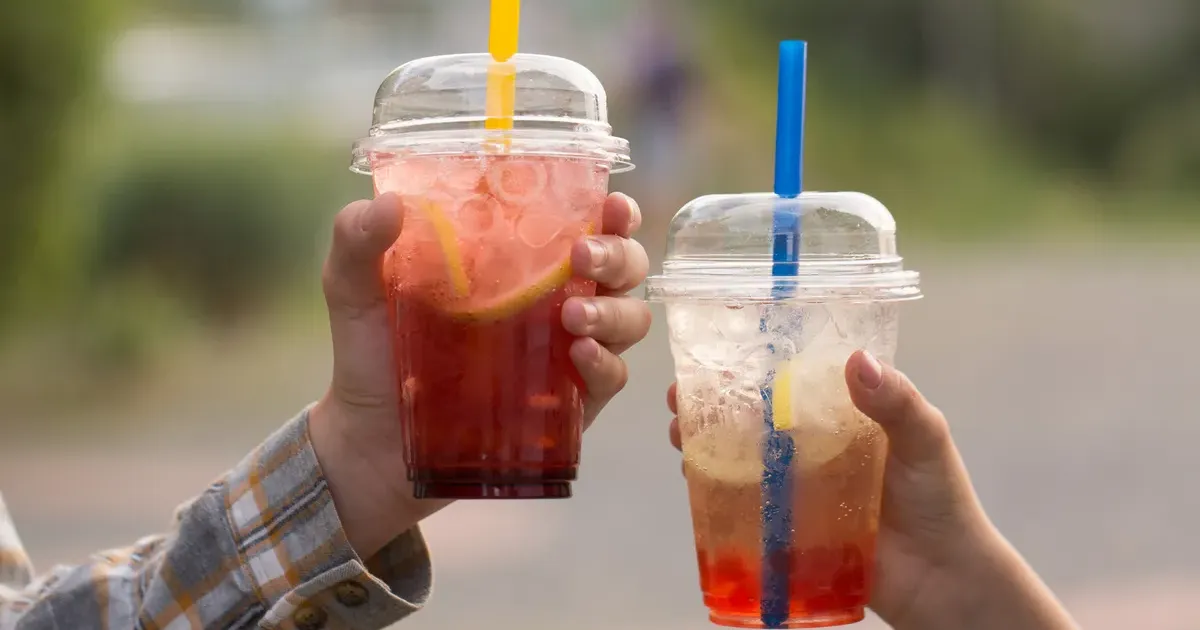
Rebel energy drinks represent a massive portion of the company's modern revenue. These proprietary beverages serve as a canvas for complex flavor combinations like the Aftershock or the Electric Berry. Unlike traditional coffee drinks, Rebels are often paired with multiple fruit syrups. A standard Rebel contains significant caffeine, but the sugar content often draws the most scrutiny from nutritionists.
Large iced Rebels frequently utilize two or more scoops of flavor depending on the specific recipe. Because the Rebel base itself is sweetened, the addition of extra-sweet flavor scoops can push the sugar total into triple digits. This chemical reality often surprises younger consumers who view the drinks as functional energy sources rather than liquid confections. Health advocates argue that the neon colors and playful names distract from the metabolic impact of these beverages.
Sugar-free options provide a perceived safety net for those monitoring their health. Dutch Bros offers an extensive list of sugar-free syrups and sauces, but these come with their own set of considerations. Artificial sweeteners like sucralose or acesulfame potassium provide the sweetness without the calories, yet they may still trigger an insulin response in some individuals. Such options allow for the Dutch Bros experience without the immediate glucose spike, though the taste profile differs noticeably from the cane-sugar originals.
Corporate Transparency and Consumer Choice
Federal regulations require chains with more than 20 locations to provide nutritional information to customers. Dutch Bros complies by hosting a detailed calculator on its website, though few people use it while idling in a drive-thru line. The speed of the transaction discourages deep reflection on ingredient labels. Corporate messaging emphasizes the 'Dutch Luv' and community spirit, which effectively softens the image of what is essentially a high-volume sugar distributor.
Customization provides a sense of control to the buyer. By asking for a 'skinny' drink or 'half-sweet' proportions, the customer feels they are making a virtuous choice. In reality, a skinny mocha still contains significant calories from the cocoa base. True transparency would require more prominent labeling on the menu boards themselves, a move the industry generally resists. Consumer behavior indicates that the brand's appeal lies in the indulgence, not the nutrition.
The company continues to expand into new markets across the American South and Midwest. Each new opening draws massive crowds, proving that the demand for customizable, sweet caffeine is nowhere near its peak. As the brand evolves, the tension between the exuberant culture and the clinical reality of its nutritional profile will likely tighten. The trend toward liquid candy shows no signs of slowing down in the current decade.
The Elite Tribune Perspective
Forget the cheerful broistas and the neon stickers for a moment. Dutch Bros is not a coffee company. It is a sophisticated delivery mechanism for refined sugar, expertly disguised as a lifestyle brand. The genius of the scoop system lies in its ability to make extreme consumption feel like a personalized boutique experience. When a teenager orders an extra-sweet Rebel, they are not just buying a drink, they are buying a 120-gram sugar hit that would be illegal to market to children in many European jurisdictions. We are living through an era where caffeine and sugar have replaced actual nutrition in the morning rituals of millions. The brand's success is a proof of the infantilization of the American palate, which now requires a cup of candy to face the workday. While the company provides the data required by law, it banks on the fact that your desire for a Blue Raspberry truffle-flavored espresso will override your common sense. If you want a coffee, go elsewhere. If you want a chemical reward for surviving another Tuesday, Dutch Bros is happy to serve you a scoop of liquid dopamine with a smile.