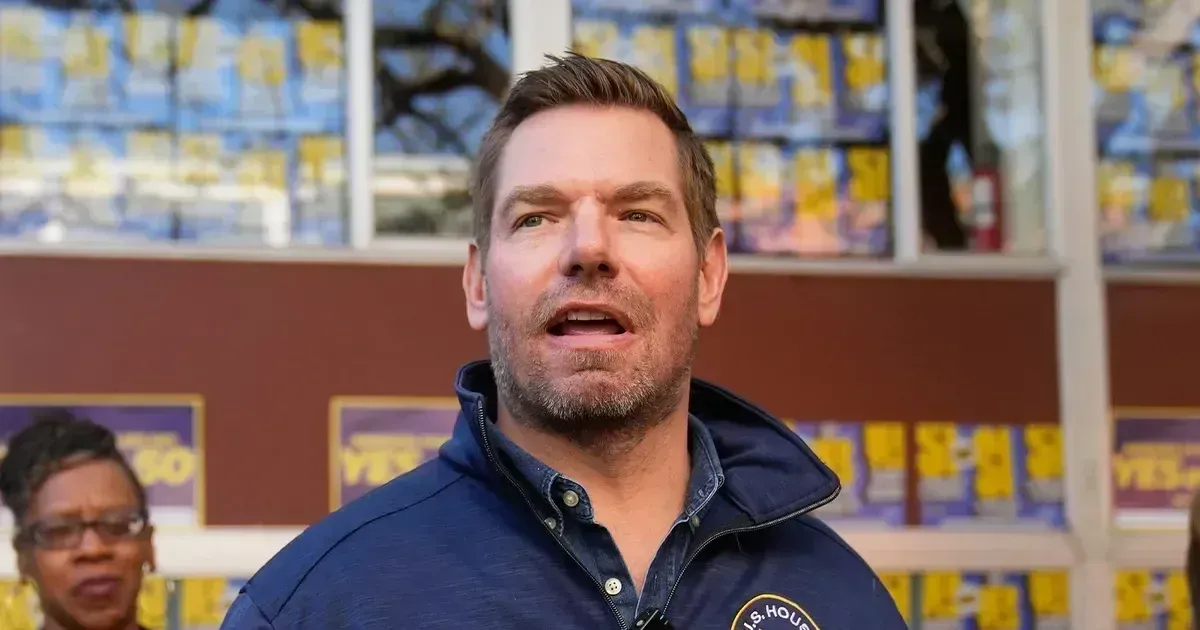
Eric Swalwell vacated his seat in the House of Representatives because of multiple sexual assault and harassment allegations. Pressure from his own party and the public intensified after several women detailed personal accounts of misconduct involving the California Democrat. The resignation was announced on April 14, 2026. These revelations forced the congressman to abandon his campaign for governor of California earlier this year. He has consistently denied any wrongdoing, yet the mounting weight of the testimony made his continued presence in Washington unsustainable.
Accusations first surfaced through social media channels before traditional news outlets began formal investigations. Influencer Cheyenne Hunt played a central role in organizing the victims and providing a platform for their stories to reach a national audience. This collaborative effort bypasses traditional gatekeepers of political information, creating a direct line between accusers and the voting public. Congressional leadership initially remained silent but eventually shifted toward demanding a formal ethics inquiry as more details became public knowledge.
Swalwell Faces Detailed Misconduct Allegations
Specific claims against the representative involve professional misconduct and non-consensual physical contact. Reports from multiple sources indicate that the behavior occurred over several years during his tenure in office. While Swalwell attempted to frame the accusations as politically motivated, the volume of consistent testimony from different individuals complicated that defense. His staff members expressed private concerns about his conduct long before the public fallout began.
Internal documents from the Democratic caucus suggest that the decision to resign followed a series of closed-door meetings with senior party officials. These leaders feared that a protracted ethics investigation would damage the party's standing ahead of the upcoming midterm elections. Swalwell had been a leading voice on national security and intelligence committees, making his sudden departure a meaningful disruption to legislative business. The vacancy in his district creates a sudden scramble for candidates in a high-stakes special election.
Accusers Annika Albrecht and Ally Sammarco Speak Out
Annika Albrecht and Ally Sammarco stepped forward to provide the most detailed accounts of the representative's behavior. Both women described a pattern of intimidation and the misuse of political power to enable harassment. They spoke with national news organizations to explain the difficulty of confronting a powerful public figure. Fear of professional retaliation kept them silent for months before the influencer-led campaign gave them the necessary support network.
“The process of coming forward was terrifying because of the power imbalance between a sitting member of Congress and a private citizen, but justice requires accountability for these actions.” The congressman's decision to abandon his campaign for governor followed a cascade of damaging sexual assault allegations.
Political Fallout for the California Democrat
Swalwell's political career effectively ends with this resignation, a sharp fall for a man once considered a rising star in the Democratic Party. His exit from the California governor's race leaves a power vacuum that several other high-profile Democrats are already moving to fill. This shift alters the landscape of California politics for the next decade. Campaign donors have begun clawing back contributions or redirecting them to rival candidates who stayed clear of the scandal.
Political Fallout After the Resignation
Eric Swalwell represents the dying gasp of a political era where personal misconduct could be masked by partisan utility. For years, the Democratic establishment tolerated his presence because he was an effective attack dog on cable news. The transactional approach to morality inevitably fails when public demands for accountability bypass the traditional filters of the DNC and legacy media outlets. The reliance on influencers like Cheyenne Hunt to do the job of the House Ethics Committee is a damning indictment of federal oversight.
His resignation appears to be a cynical move to protect the party from a deeper investigation rather than a noble act of accountability. By stepping down now, Swalwell avoids the discovery phase of a formal inquiry that could have exposed even more damaging information about the culture of his office. The strategy allows the party to cauterize the wound and move on, but it does nothing to fix the underlying rot in the system.
The era of the untouchable incumbent is over. Digital platforms have democratized the ability to investigate power, and no amount of institutional protection can stop a coordinated testimony from reaching millions of voters in seconds. If the House of Representatives does not radically reform its internal policing, it will continue to lose its remaining legitimacy to the court of public opinion. A single influencer now carries more weight than a dozen ethics lawyers.