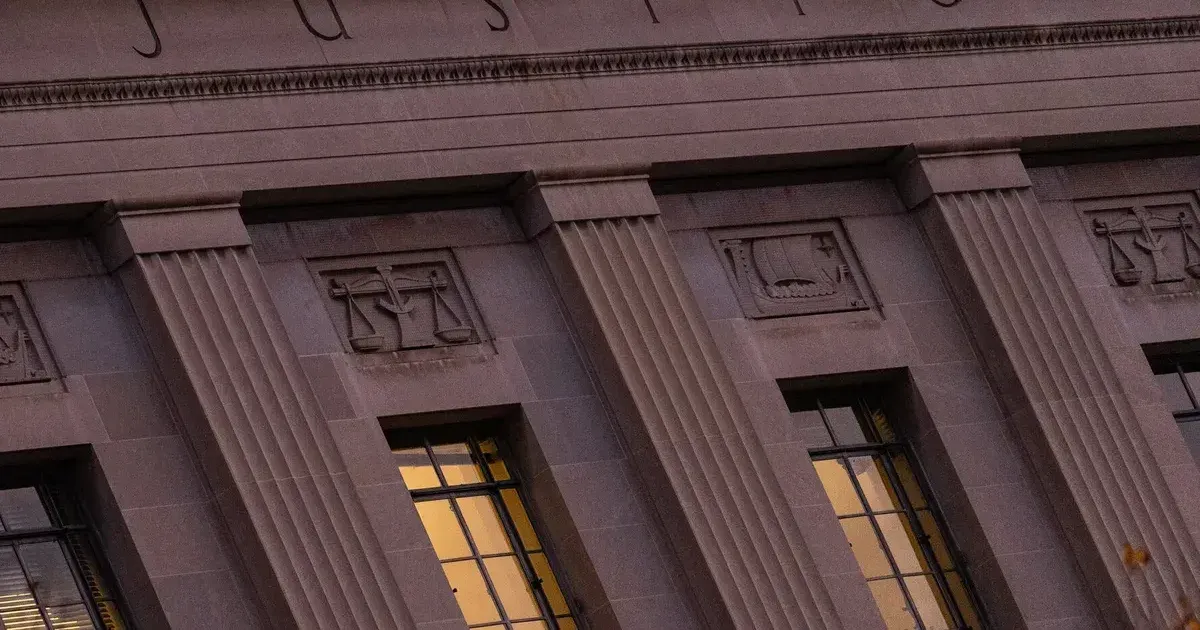
Federal judges across multiple jurisdictions are challenging the longstanding presumption that government attorneys provide inherently reliable information to the court. Recent admonishments from the bench suggest a systemic breakdown in the professional relationship between the Justice Department and the judiciary. Observations from senior judges on June 1, 2026, indicate that judicial officers no longer view executive branch representation as a guaranteed source of complete factual transparency.
Historically, the federal court system operated under an unspoken agreement that lawyers representing the sovereign state maintained a higher standard of honesty than private litigants. Government attorneys often received the benefit of the doubt during complex discovery disputes or sensitive national security hearings. Judges frequently accepted government declarations without the rigorous cross-examination typically required for corporate or individual defendants. This institutional privilege allowed the legal system to move with greater speed in cases involving the United States government.
Evidence of eroding trust has surfaced in several high-profile cases where judges discovered that critical facts were withheld or misrepresented in official filings. Judicial patience for such omissions is clearly thinning. In various courtrooms, the traditional deference afforded to the Justice Department is being replaced by a strict requirement for independent verification of every government claim. Silence despite a specific judicial query has become a primary point of contention.
Candor to the tribunal is both a professional duty and the fundamental requirement that prevents the entire judicial architecture from collapsing into a contest of tactical deception, according to legal ethics standards. Legal standards regarding candor are codified in Rule 3.3 of the Model Rules of Professional Conduct. These rules mandate that a lawyer shall not knowingly make a false statement of fact or law to a tribunal. When government lawyers fail to disclose controlling legal authority or omit material facts, the court loses its ability to judge fairly. Several judges have recently noted that these failures are not isolated incidents but appear to be a recurring strategy in disputed litigation.
Resulting delays are now common as judges order additional evidentiary hearings to probe the accuracy of government statements. Instead of accepting a summary judgment motion based on a government affidavit, benches are increasingly demanding raw data and underlying documents. The shift is a major change in the procedural labor required to manage the federal docket. Litigation costs for the Justice Department may rise as attorneys are forced to defend their own credibility alongside the merits of their cases.
Sanctions against individual government lawyers have also become more frequent. While courts previously preferred private rebukes or warnings, some judges are now issuing public orders to show cause why sanctions should not be imposed. These public filings create a permanent record of misconduct that can follow an attorney throughout their career. Skepticism from the bench often translates into less favorable rulings for the government on discretionary matters.
Internal morale within the Justice Department faces pressure as career attorneys navigate the tension between aggressive advocacy and their duties to the court. Professional reputations are at stake when a judge formally finds a lack of candor. Some legal analysts suggest that the pressure to win politically sensitive cases has compromised the traditional ethical boundaries that once defined government service.
Sustained judicial criticism may eventually prompt legislative oversight or internal policy shifts. Attorneys from the Office of the Solicitor General, who traditionally enjoy a "special relationship" with the Supreme Court, are not immune to this scrutiny. The expectation of absolute factual integrity is the foundation of that relationship. If the highest court in the land begins to mirror the skepticism of the lower district courts, the government’s ability to defend its policies will be severely hampered.
Judicial Trust Becomes the Issue
The rebukes matter because federal judges depend on government lawyers for accurate timelines, complete records and careful representations in urgent cases. If that trust weakens, routine filings can face more skeptical review and slower hearings.
Distrust Will Make Federal Litigation Slower and Costlier
The immediate result of this judicial shift is a more adversarial relationship between the bench and the executive branch. When judges stop trusting the government, the procedural efficiency of the federal courts declines sharply. Every filing is scrutinized for hidden caveats or carefully worded evasions that might mask inconvenient facts. This increased friction essentially ends the era of the government’s "most favored litigant" status.
Future litigation involving the Justice Department will likely require a higher volume of sworn testimony from non-legal officials. Judges may increasingly use their inherent powers to appoint special masters to oversee government discovery processes. The move effectively removes the element of trust from the equation, replacing it with a costly and time-consuming layer of independent supervision. The legal fallout will persist until the government demonstrates a consistent return to the rigorous standards of candor that the judiciary once took for granted. The dispute also gives appellate courts a chance to clarify how quickly judges should demand corrections when government filings change under pressure. The issue may also affect settlement talks, emergency motions and document disputes where judges rely on government counsel to summarize facts accurately before a full record is available.