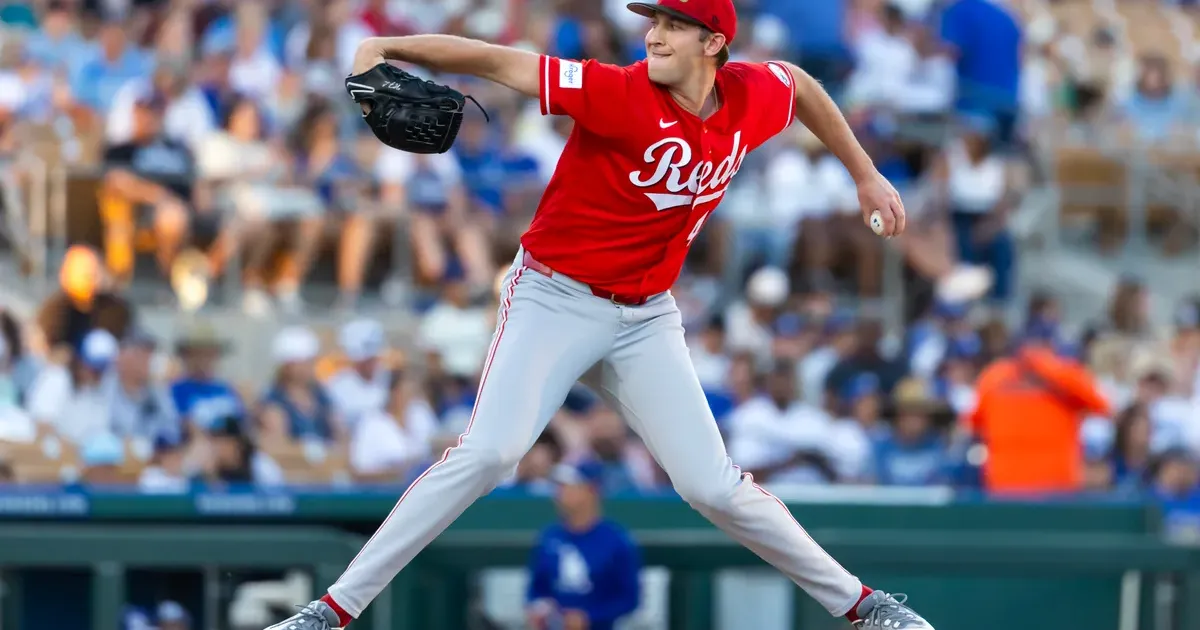
Nick Lodolo's recurring blister issue has moved from a frustrating rehab note to a recurring rotation problem for the Cincinnati Reds. After the left-hander's early-season rehab start was cut short at 40 pitches because of the blister, the issue returned during the summer and the Reds placed him on the 15-day injured list with a left index finger blister.
The recurrence changes the frame. A blister can sound small compared with elbow or shoulder trouble, but for a pitcher it can decide whether the full arsenal is usable. Lodolo can be otherwise healthy and still unavailable if the finger cannot handle the friction and pressure of game-speed pitching.
The rehab warning was not isolated
The April rehab start already showed why the issue deserved attention. Lodolo had been scheduled for a larger workload, reportedly in the 60-to-65-pitch range, but the outing ended after 40 pitches when the blister returned. He had been throwing well before the problem interrupted the plan.
The injury's timing was deceptive. Performance in the first two innings did not erase the condition of the finger. A pitcher can look sharp until the skin breaks down, and then command, grip and pitch selection can change immediately.
A blister affects more than comfort
For a pitcher, the fingertips are part of the delivery. They control grip, release, spin and feel. A blister on the pitching hand can alter fastball command, make breaking balls more difficult and force compensation that creates other problems.
Teams treat recurring blisters with care because fingertips control each pitch. The injury may not sound dramatic, but the consequences can be direct. If the finger cannot tolerate the slider grip or finish a pitch cleanly, the pitcher is not ready to give a club a normal start.
The July IL move tightened the rotation
MLB.com reported Lodolo went on the 15-day injured list after leaving a start against the Cubs because of the lingering blister. Cincinnati recalled Chase Petty from Triple-A Louisville to replace him on the active roster, adding an arm while the rotation plan adjusted.
The roster move matters because a starter's absence affects more than one turn. The Reds have to cover innings, protect the bullpen and decide whether another starter slides into Lodolo's place. A short-term IL stint can still force several downstream choices.
Depth has to cover the missed innings
Rotation depth is measured when an injury that looks small on paper removes reliable innings. The Reds can use spot starts, bullpen coverage or call-up options, but each solution carries a cost. A bullpen-heavy response can strain relievers. A rushed replacement can expose a young arm before the team planned.
Lodolo's value becomes visible even when he is not pitching. A healthy left-handed starter gives a club shape. Without him, the Reds have to keep rearranging a staff that also has to survive ordinary schedule pressure.
The return should be based on pitch feel
The temptation with a blister is to treat the absence as a calendar problem. Fifteen days pass, the skin looks better, and the pitcher comes back. The calendar alone would be too shallow a test. Lodolo has to prove he can throw his full mix without the finger reopening or changing how the ball leaves his hand.
A return built only on availability could create another quick setback. A return built on grip, command and recovery between outings gives the Reds a better chance of keeping him in the rotation once he is activated.
Small injuries can decide July plans
July baseball punishes unstable pitching plans. A club trying to stay competitive cannot treat repeated starter interruptions as background noise. Each missed turn changes bullpen use, roster timing and trade-deadline pressure.
Lodolo's blister is not dramatic in name. It is important in effect. The Reds need the version of him who can throw every pitch with confidence, not the version who can pass a quick pregame check and then lose feel by the third inning.