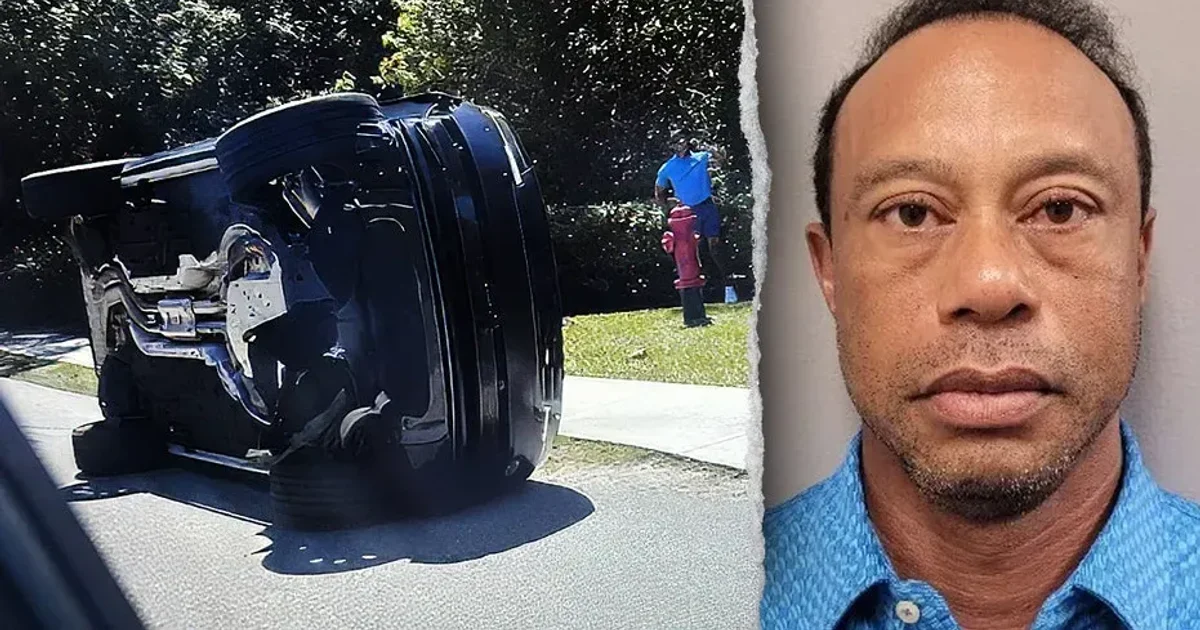
Tiger Woods' absence from the Masters carried more uncertainty than a normal injury or form update. His withdrawal followed a Florida crash, DUI-related charges and a public statement that he was stepping away to seek treatment and focus on his health. The public facts were serious enough without private medical inference, legal conclusion or comeback packaging.
The Masters context made the absence more significant because Augusta has always been central to Woods' public identity. Still, the legal and health pieces had to remain separate from the sports symbolism. An arrest is not a conviction. A treatment statement is not an invitation to speculate about private care. A missed tournament is not the same thing as the end of a career.
The crash changed the meaning of the absence
Woods has missed major events before because of injuries, surgeries and recovery. Woods' 2026 absence carried a different weight because it came after a crash and criminal charges. The golf question therefore sat beside legal process, public safety and personal health.
The legal, health and tournament facts required careful sequencing. The established record was limited to Woods' absence from Augusta, his announced period away from golf and separate court proceedings. Those facts did not form a single dramatic arc or a verdict.
Treatment language needs boundaries
Woods' statement about seeking treatment was significant on its own. Unsupported claims would add nothing to the public statement. Only Woods' statement, legal documents and the public record could support conclusions about his treatment.
The boundary protects both accuracy and dignity. It also prevents medical vocabulary from becoming drama. The public can understand the seriousness of the situation without being offered guesses about condition, recovery length or private treatment details.
Mickelson's absence added a generational marker
Phil Mickelson's withdrawal for a family health matter gave the Masters a second absence with emotional weight. Woods and Mickelson shaped decades of Augusta memory, television attention and casual-viewer entry into the event. Reports noted the 2026 tournament was the first Masters since 1994 without either player in the field.
The shared absence matters because it changed the event's public texture, not only the leaderboard. Younger stars can carry the competition, but Woods and Mickelson have long carried a different kind of recognition. Their absence made the tournament feel less connected to the previous era.
Privacy still applies to public figures
Mickelson's family-health reason also required restraint. A family matter does not become public property because it affects a golf schedule. The withdrawal, his Masters history and the wider effect on the field could be reported without pressing into private details.
The privacy principle applies differently to Woods. The public record around the crash and charges is reportable. Private treatment claims require sourcing. Fame does not justify filling those gaps with implication.
Golf has to move without forcing nostalgia
Augusta does not stop because Woods and Mickelson are absent. The Masters remains a championship with current contenders, pressure, weather, course strategy and new storylines. The broadcast may feel different, but the event cannot depend forever on the emotional availability of two aging icons.
Acknowledging that the sport needs new central figures does not dismiss what Woods and Mickelson built. Nostalgia can honor the past, but it becomes unhealthy when every absence is framed as a vacancy no current player can fill.
A Comeback Narrative Would Be Premature
Concern for Woods should not be turned into another heroic-comeback setup before the legal and health issues are resolved. Golf has often narrated his injuries through return, resilience and spectacle. Woods' situation needed a quieter frame.
Woods' immediate priority was not a leaderboard. It was health, legal process and personal stability. Augusta's priority was the tournament in front of it. Those priorities were separate, and collapsing them into a comeback narrative would have distorted both.