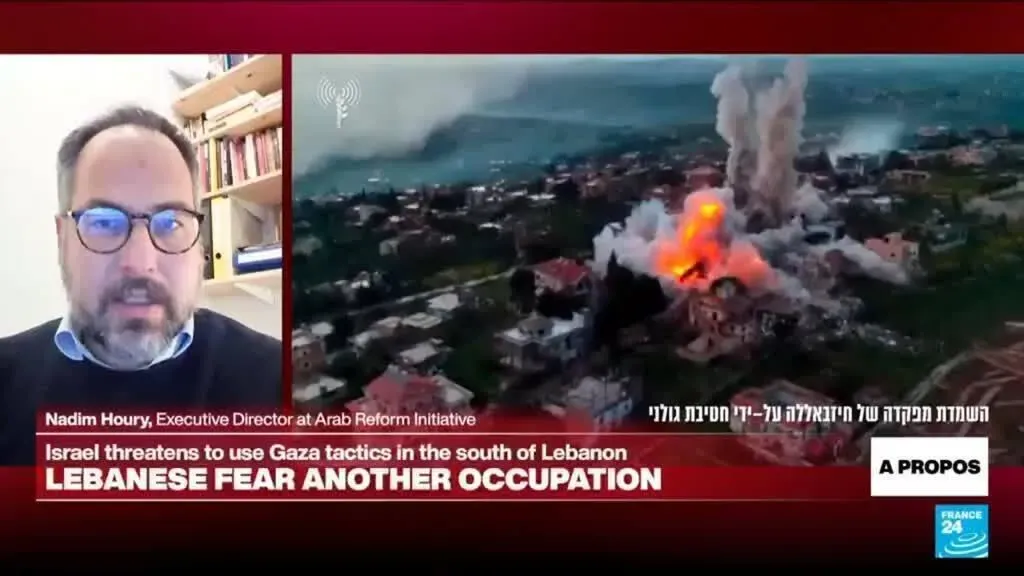
The deaths of four Israeli soldiers in southern Lebanon were more than a battlefield loss. They showed how quickly a border operation against Hezbollah can turn from a defensive push into an attrition fight with political, civilian and diplomatic costs on every side.
The March clash came as Israeli forces operated inside contested southern Lebanese areas to push Hezbollah farther from northern Israeli communities and degrade rocket, drone and anti-tank positions near the border. The military aim was clear. The cost was also clear: the deeper the operation moved, the more Israel had to expose infantry, armor and engineers to prepared ground.
Ground Combat Changed the Price
Airstrikes can destroy buildings, launch sites and commanders. They cannot fully clear villages, tunnel systems, firing positions or routes used by small armed teams. The clearing work falls to troops on the ground, and Hezbollah's advantage is built for that environment.
The group does not need conventional parity with Israel. It needs concealment, local knowledge, anti-tank weapons, drones, tunnels and enough discipline to impose losses while avoiding decisive defeat. Hezbollah's method turns a limited border operation into a grinding campaign.
The Tactical Goal Keeps Moving
Israel's stated security problem is real. Tens of thousands of northern residents cannot live normally if Hezbollah can fire from close range across the border. But the operational answer becomes harder once the goal shifts from punishment to durable quiet.
A raid can be measured by targets hit. A buffer zone is measured by whether residents return and stay. A wider ground push is measured by whether it creates security or simply creates a larger area that Israeli forces must defend. The four deaths mattered because they exposed that transition.
Lebanon Pays Through Sovereignty
For Lebanon, the war is also a sovereignty crisis. The state is asked to control territory where Hezbollah remains armed, Israel operates militarily and civilians absorb the consequences. Lebanese officials can endorse state authority in principle while lacking the force and consensus to impose it in practice.
The sovereignty conflict sits behind the U.S.-mediated framework now being discussed. Proposals for Israeli withdrawal, Lebanese Armed Forces deployment and Hezbollah disarmament all point toward the same question: who actually governs southern Lebanon when foreign armies and non-state weapons decide the facts on the ground?
Civilians Carry the Strategic Failure
The military language can make the conflict sound cleaner than it is. Villages become launch areas, buffer zones, evacuation corridors or suspected infrastructure. Families experience the same places as homes, farms, roads, schools and cemeteries.
Israel argues that Hezbollah embeds military capacity inside civilian areas. Hezbollah argues that Israel is occupying and devastating Lebanese land. Both claims can be used to justify more fighting. Neither gives civilians a way to make life normal again.
Ceasefire Talks Do Not Erase the Trap
By July, U.S.-mediated efforts had shifted attention toward phased withdrawal, Lebanese army deployment and possible pilot zones. Those talks matter because they recognize that military pressure alone has not produced a stable border.
But the same talks reveal the obstacle. Israel wants Hezbollah pushed back and disarmed before it gives up leverage. Hezbollah rejects disarmament under pressure and frames withdrawal as the first condition. Lebanon's government is caught between international demands, domestic fracture and the risk that enforcement itself could provoke internal conflict.
Attrition Punishes Clarity
The deaths of four soldiers are not just a casualty line from one clash. They are a warning about strategy. Israel can win local engagements and still fail to create lasting security. Hezbollah can survive and still leave Lebanon poorer, damaged and less sovereign. Lebanon can call for state authority while lacking the means to make armed actors obey it.
The cycle is the attrition trap. Each side can explain why it continues. None can easily prove that more fighting produces the political end it claims to seek. The border keeps consuming soldiers and civilians after the slogans have stopped answering the hardest question: what level of control is actually achievable, and at what price?