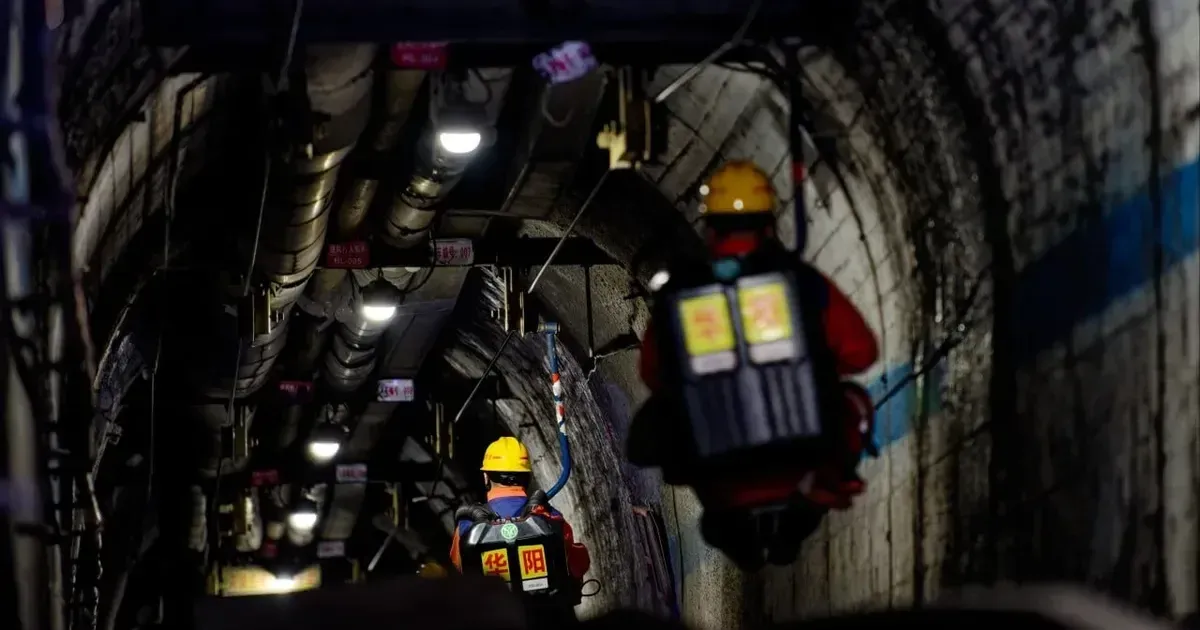
Rescue teams in Shanxi shifted to recovery work after a gas explosion killed at least 82 workers at the Liushenyu Coal Mine. The death toll immediately put mine safety back at the center of China's industrial policy debate. Survivors and relatives are now waiting for investigators to explain whether warnings were missed underground. The disaster occurred on May 22, 2026, and two workers remained missing as crews assessed damaged tunnels and unstable lower shafts. The scale of the loss has made the mine a national test case for whether safety warnings in high-output coal regions are acted on before catastrophe.
Provincial authorities said 128 survivors reached the surface and required medical treatment for burns, smoke inhalation, fractures and blast injuries. The number of survivors also means investigators will have extensive testimony from workers who can describe alarm behavior, ventilation conditions and instructions given before the blast. Hospitals in Shanxi reported that two patients remained in critical condition. Recovery crews are moving slowly because damaged supports and low oxygen levels have made deeper sections of the mine dangerous.
Miners familiar with the site told reporters that safety concerns had been building before the blast. They described methane warnings, ventilation problems and production pressure that allegedly pushed workers to keep operating in risky areas. Investigators are now examining whether sensors were missing, malfunctioning or ignored.
Methane Safety Questions
Liushenyu Coal Mine sits in one of China's most important coal-producing regions, where methane buildup is a constant hazard. Safe operations require ventilation, working alarms and rapid evacuation when gas levels rise. If any of those systems failed, miners would have had little time to escape before ignition. Methane can accumulate in pockets that are invisible to workers, and a single spark can turn a ventilation failure into a tunnel-wide blast. That is why sensor reliability and evacuation discipline are central to the investigation.
Surveillance footage reportedly showed a fireball moving through transport tunnels before cameras went dark. Forensic engineers will use that material, equipment records and tunnel maps to trace the path of the explosion. Analysts are also reviewing possible ignition sources, including electrical faults or sparks from damaged machinery.
The death toll has created public anger because many families believe the explosion was preventable. Mining disasters in China often produce a familiar cycle of mourning, official promises and selective punishment, but the scale of this blast makes that pattern harder to sustain without visible structural changes. Online comments called for criminal accountability, even as state media emphasized rescue work and medical response. The tension between official messaging and survivor testimony has become part of the political pressure around the case.
Investigation and Accountability
Officials from the Ministry of Emergency Management arrived to coordinate the search and preserve evidence. Their presence signals that the case has moved beyond a local industrial accident and into a national safety review. Drones and robots were sent into unstable areas so crews could inspect damage without entering the most dangerous shafts. Authorities also suspended licenses at other mines connected to the same parent company as a precaution.
Investigators are expected to review alarm records, inspection reports, production logs and communications between managers and regulators. Tampering with methane alarms or falsifying safety records can bring criminal liability. If prosecutors prove that warnings were ignored to maintain output, mine executives could face severe penalties.
The case also raises questions about provincial oversight and the willingness of local officials to challenge powerful employers. Local regulators are expected to know which mines carry high methane risk, which operators have prior warnings and which shifts are pushing production beyond safe limits. If inspection records show repeated warnings without shutdowns, the political consequences could extend beyond the mine operator. Coal remains central to China's power system, and local officials are often under pressure to maintain production. That can create a conflict between economic targets and strict safety enforcement, especially in regions where mine operators carry local political influence.
Coal Industry Pressure
The Liushenyu disaster is likely to trigger broader inspections across deep-shaft mines, especially sites with prior methane warnings or rapid output increases. A serious audit could slow production, but the alternative is another cycle of preventable explosions. Coal demand gives mine operators strong incentives to keep shafts open, which is why safety systems need to function independently from local production targets. Independent monitoring of gas sensors and stricter unannounced inspections are likely to become part of the reform debate.
For miners and their families, the question is whether the investigation will change daily working conditions or simply punish a few managers after the fact. Many workers depend on coal wages and cannot easily refuse unsafe shifts, which makes enforceable oversight more important than personal caution. The scale of the loss makes a narrow response harder to defend. A disaster that kills 82 workers is not only an industrial accident; it is a test of whether safety rules can withstand production pressure when coal demand, local revenue and political reputation are all at stake in Shanxi. Regulators will face pressure to publish the sequence of sensor readings, evacuation orders and production decisions that preceded the blast. Families of the dead will also want the inquiry to separate unavoidable blast conditions from choices made by mine managers before the explosion. That distinction will shape whether the disaster becomes a criminal case, an administrative punishment or another warning that fades after national attention moves elsewhere. Worker interviews will be important because they can show whether methane alarms were treated as urgent stop-work signals or routine background warnings before the blast.