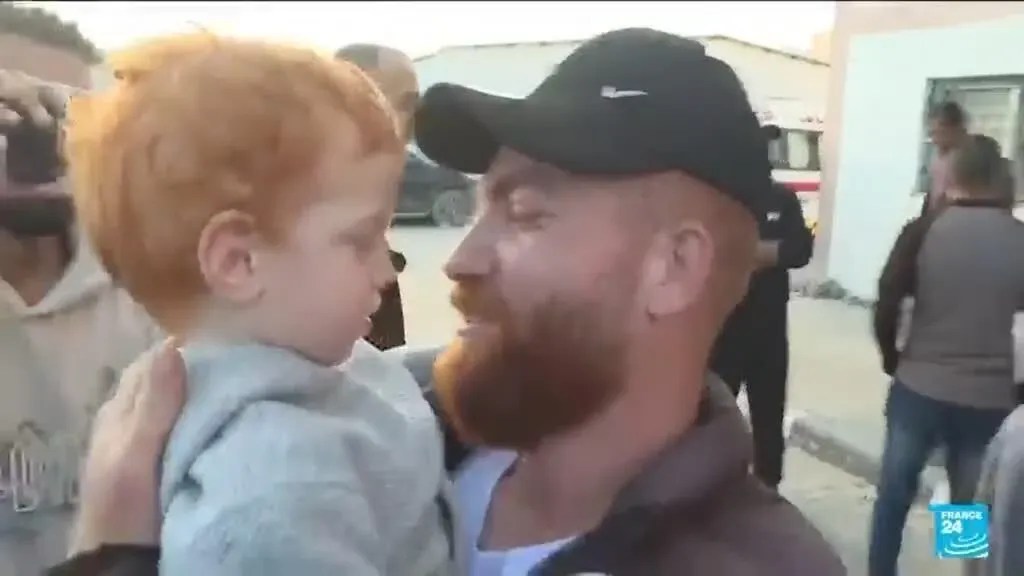
Eleven Palestinian toddlers returned to Gaza after being evacuated as premature babies from al-Shifa Hospital in 2023, turning a medical rescue into a reunion that was both joyous and devastating. Families who had waited through war, border closures, rumors and hospital updates finally held children they had known mostly through absence.
The children were among the premature babies moved out of al-Shifa when the hospital's neonatal unit collapsed under siege conditions, power cuts and the loss of functioning incubators. International agencies, Palestinian medical teams and Egyptian hospitals helped keep many alive. The rescue also split families at the most fragile moment of a child's life.
The return through Rafah and arrival at Nasser Hospital in Khan Younis closed one chapter. It did not create a safe childhood. These toddlers came back to families living inside a shattered medical system, uncertain housing and a territory where ordinary pediatric follow-up can become an emergency.
The Rescue Saved Lives and Broke Bonds
In November 2023, dozens of premature babies at al-Shifa became a global symbol of Gaza's medical collapse. Staff tried to keep newborns warm as fuel shortages and fighting crippled the hospital. Thirty-one babies were evacuated from al-Shifa, and most were later taken to Egypt for treatment.
The evacuation was necessary. Without incubators, electricity, antibiotics, oxygen and specialist care, many of the babies faced hypothermia, sepsis, dehydration and death. Moving them out was the only available chance.
But the same rescue created separations that no medical transfer document could make simple. Some parents could not travel. Some lost contact. Some believed a child had died. For families, the story was not a clean humanitarian operation. It was a long period of fear, paperwork, grief and delayed information.
The Numbers Carry Human Loss
The return of eleven children is a victory only because the earlier baseline was so severe. Reports from doctors and aid workers said several of the evacuated infants died, including children who died after reaching Egypt. Other children remained outside Gaza with relatives or in care arrangements because returning was not possible or not yet judged safe.
The numbers matter, but they can flatten the story. Each child represented a parent searching for a name, a photograph, a hospital contact or a crossing list. Each reunion represented months or years in which the normal bond between newborn and family was interrupted by war.
The toddlers who returned are not symbols only. They are children whose earliest medical history includes displacement, neonatal risk and separation from parents at the beginning of life.
Returning Does Not Mean Recovery
Premature babies often need long-term monitoring for breathing problems, development, feeding, vision, hearing and neurological concerns. Some need therapy, repeated specialist visits and reliable medicine. Gaza is a brutally difficult place to provide that care.
Hospitals and clinics remain damaged, understocked and overrun. Electricity, clean water, nutrition, safe housing and specialist access are uncertain for many families. A toddler who survived the neonatal crisis may still need support that the system cannot reliably deliver.
The reunion contains a cruel contradiction. Families have their children back, but not the health infrastructure that should stand behind them. The first miracle was survival. The next demand is a life that can actually be lived.
The Parents Return to Ordinary Work in Abnormal Conditions
After the cameras leave, parents have to do the daily labor of raising toddlers: feeding, bathing, comforting, teaching, watching for fever, finding medicine and trying to keep a home stable. In Gaza, each of those tasks can be interrupted by shortage or displacement.
For parents who spent years separated from a child, the emotional adjustment is also complicated. A toddler returns with habits, fears and medical needs formed elsewhere. The parent returns to care without having lived the infant months that usually teach rhythm and recognition.
The difficult adjustment does not weaken the reunion. It makes it more profound. The families are not simply receiving children back. They are rebuilding parenthood under conditions no family should have to accept.
The Reunion Is an Indictment
The return of the toddlers should not be treated as a simple good-news ending. Babies should not have had to cross borders to survive. Parents should not have had to learn whether their newborns were alive through fragmented updates. A health system should not have to choose between impossible evacuation and certain neonatal danger.
The reunions matter because they restore names, faces and family bonds to a war that often turns children into counts. They also expose the limits of emergency rescue. A child can be medically saved and still be returned to deprivation.
Gaza's families will judge the outcome by what happens next: whether these children can breathe, eat, grow, learn, receive therapy and see doctors without another crisis deciding their future. Anything less is survival without recovery.