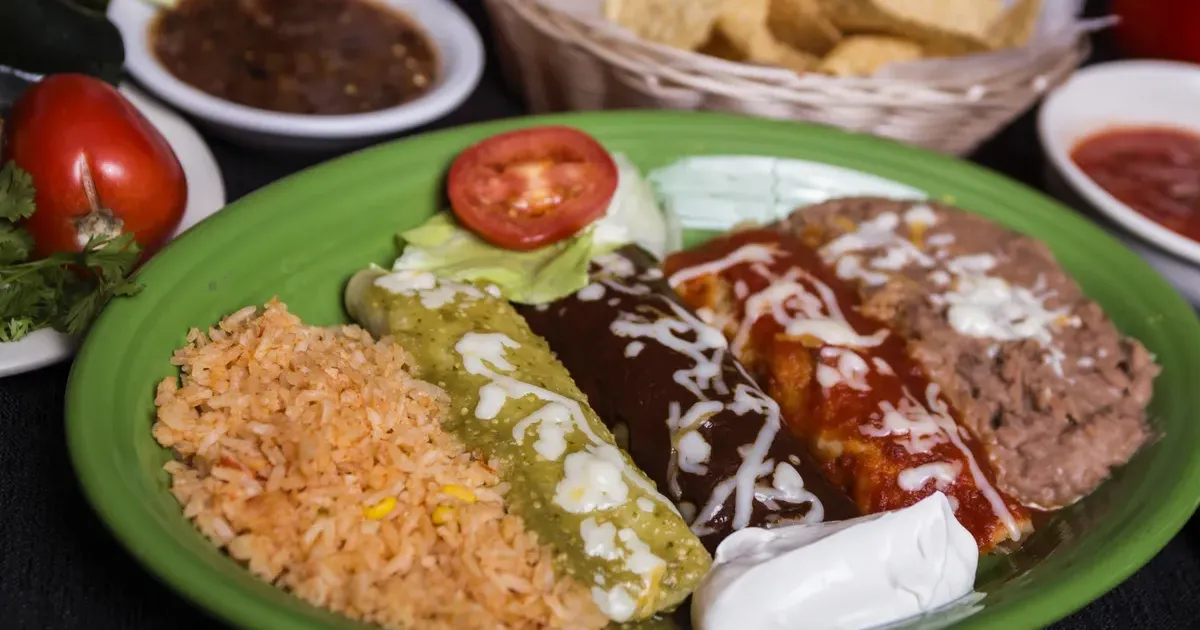
March 11, 2026, finds the American dining public more obsessed with regional Mexican gastronomy than ever before. From the smoke-filled halls of Oaxacan mole houses to the refined seafood towers of Ensenada-style bistros, diners seek out meticulous authenticity in their carnitas and aguachiles. Yet, a glaring omission often persists once the savory plates are cleared. If a restaurant showcases hand-pressed heirloom corn tortillas and 24-ingredient sauces but offers only a generic chocolate lava cake for dessert, the culinary narrative has fundamentally collapsed.
Culinary historians frequently point to the sweet course as the true litmus test for a kitchen's dedication to Mexican heritage. Pre-Hispanic traditions relied heavily on cacao, agave nectar, and local fruits like mamey or guava. Following the Spanish conquest, the introduction of cane sugar, dairy, and eggs transformed the national palate, creating a unique hybrid of European technique and Mesoamerican ingredients. When a modern establishment ignores this complex history, it suggests that the pastry program is an afterthought rather than a continuation of the cultural story.
Authenticity ends where the freezer door opens.
Expert pastry chefs in Mexico City and Guadalajara argue that the absence of house-made flan or traditional arroz con leche is a signal of labor cutting. While a complex mole requires days of preparation, a perfect flan demands a precise understanding of temperature and caramelization that many high-volume kitchens simply refuse to invest in. Bloomberg's recent analysis of restaurant overhead suggests that dessert margins are often the first to be sacrificed, leading owners to purchase mass-produced sweets from industrial distributors. Such shortcuts are easy to spot if you know where to look.
Deep-fried ice cream or churros that arrive suspiciously uniform in shape often indicate a lack of on-site pastry talent. Authentic churro dough must be hydrated and extruded at specific pressures to achieve the desired contrast between a crisp exterior and a tender, cloud-like interior. If the texture mirrors a stale cracker, the kitchen has likely prioritized convenience over craft. This lack of attention to detail in the final act of a meal undermines the labor put into the preceding courses.
Regionality serves as another indicator of a restaurant's true caliber. A menu claiming roots in Veracruz should, by rights, feature desserts that highlight vanilla, a crop native to that region. Similarly, a Yucatecan spot that fails to offer a variation of marquesitas or traditional fruit preserves is missing a key part of its identity. Critics at the San Francisco Chronicle have noted that many high-end establishments lean on the prestige of savory ingredients while treating the dessert menu as a graveyard for uninspired chocolate cakes.
This historical synthesis of Spanish and Indigenous flavors is what makes Mexican confectionery unique. Consider the complexity of a well-executed Tres Leches cake. It is not merely a wet sponge; it requires a specific density to absorb the three types of milk without dissolving into mush. Achieving this balance is a technical feat that rivals the fermentation of sourdough or the tempering of chocolate. When a restaurant serves a version that is either bone-dry or swimming in an overly sweet synthetic syrup, it tells the diner that the chef has stopped caring.
A missing flan is a missing soul.
Labor shortages in 2026 have only exacerbated this trend. Finding a specialized panadero or pastry chef who understands the nuances of Mexican baking is becoming increasingly difficult and expensive. Many restaurateurs argue that diners are too full by the end of the meal to notice the quality of the sweets. But seasoned food writers at the New York Times suggest that the dessert course is the final memory a guest carries out of the building. Failing to provide a culturally resonant conclusion is a missed opportunity to solidify the restaurant's reputation.
This economic reality creates a divide between truly immersive dining and mere consumption. Those who wish to support the depth of Mexican culture must demand the same rigor in the postre that they expect in the taco. If the menu transitions from authentic goat birria to a frozen New York cheesecake, the kitchen is essentially admitting that its commitment to tradition has a hard expiration timer.
Why do we tolerate laziness at the finish line of an otherwise brilliant meal? Most diners would be outraged if a chef served canned salsa with hand-made tortillas, yet they shrug when a restaurant presents a factory-made brownie after a three-hour tasting menu. This acceptance of mediocrity in Mexican desserts is a form of soft bigotry, suggesting that the complexity of this cuisine is only worth exploring in its savory forms. It is time to stop giving a pass to establishments that treat their pastry programs like an unwanted chore. A restaurant that cannot be bothered to master a simple, elegant flan is telling you exactly how much they value their own heritage. If the chef is too tired or too cheap to craft a dessert that honors the centuries of sugar-craft history in Mexico, they have no business charging premium prices for the preceding courses. True culinary excellence requires a commitment that lasts from the first bite of the appetizer to the final spoonful of the sweet. Anything less is just a high-priced facade. Stop rewarding kitchens that take the easy way out when the sugar comes out.
Culinary historians frequently point to the sweet course as the true litmus test for a kitchen's dedication to Mexican heritage. Pre-Hispanic traditions relied heavily on cacao, agave nectar, and local fruits like mamey or guava. Following the Spanish conquest, the introduction of cane sugar, dairy, and eggs transformed the national palate, creating a unique hybrid of European technique and Mesoamerican ingredients. When a modern establishment ignores this complex history, it suggests that the pastry program is an afterthought rather than a continuation of the cultural story.
Authenticity ends where the freezer door opens.
Expert pastry chefs in Mexico City and Guadalajara argue that the absence of house-made flan or traditional arroz con leche is a signal of labor cutting. While a complex mole requires days of preparation, a perfect flan demands a precise understanding of temperature and caramelization that many high-volume kitchens simply refuse to invest in. Bloomberg's recent analysis of restaurant overhead suggests that dessert margins are often the first to be sacrificed, leading owners to purchase mass-produced sweets from industrial distributors. Such shortcuts are easy to spot if you know where to look.
Deep-fried ice cream or churros that arrive suspiciously uniform in shape often indicate a lack of on-site pastry talent. Authentic churro dough must be hydrated and extruded at specific pressures to achieve the desired contrast between a crisp exterior and a tender, cloud-like interior. If the texture mirrors a stale cracker, the kitchen has likely prioritized convenience over craft. This lack of attention to detail in the final act of a meal undermines the labor put into the preceding courses.
Regionality serves as another indicator of a restaurant's true caliber. A menu claiming roots in Veracruz should, by rights, feature desserts that highlight vanilla, a crop native to that region. Similarly, a Yucatecan spot that fails to offer a variation of marquesitas or traditional fruit preserves is missing a key part of its identity. Critics at the San Francisco Chronicle have noted that many high-end establishments lean on the prestige of savory ingredients while treating the dessert menu as a graveyard for uninspired chocolate cakes.
This historical synthesis of Spanish and Indigenous flavors is what makes Mexican confectionery unique. Consider the complexity of a well-executed Tres Leches cake. It is not merely a wet sponge; it requires a specific density to absorb the three types of milk without dissolving into mush. Achieving this balance is a technical feat that rivals the fermentation of sourdough or the tempering of chocolate. When a restaurant serves a version that is either bone-dry or swimming in an overly sweet synthetic syrup, it tells the diner that the chef has stopped caring.
A missing flan is a missing soul.
Labor shortages in 2026 have only exacerbated this trend. Finding a specialized panadero or pastry chef who understands the nuances of Mexican baking is becoming increasingly difficult and expensive. Many restaurateurs argue that diners are too full by the end of the meal to notice the quality of the sweets. But seasoned food writers at the New York Times suggest that the dessert course is the final memory a guest carries out of the building. Failing to provide a culturally resonant conclusion is a missed opportunity to solidify the restaurant's reputation.
This economic reality creates a divide between truly immersive dining and mere consumption. Those who wish to support the depth of Mexican culture must demand the same rigor in the postre that they expect in the taco. If the menu transitions from authentic goat birria to a frozen New York cheesecake, the kitchen is essentially admitting that its commitment to tradition has a hard expiration timer.
The Elite Tribune Perspective
Why do we tolerate laziness at the finish line of an otherwise brilliant meal? Most diners would be outraged if a chef served canned salsa with hand-made tortillas, yet they shrug when a restaurant presents a factory-made brownie after a three-hour tasting menu. This acceptance of mediocrity in Mexican desserts is a form of soft bigotry, suggesting that the complexity of this cuisine is only worth exploring in its savory forms. It is time to stop giving a pass to establishments that treat their pastry programs like an unwanted chore. A restaurant that cannot be bothered to master a simple, elegant flan is telling you exactly how much they value their own heritage. If the chef is too tired or too cheap to craft a dessert that honors the centuries of sugar-craft history in Mexico, they have no business charging premium prices for the preceding courses. True culinary excellence requires a commitment that lasts from the first bite of the appetizer to the final spoonful of the sweet. Anything less is just a high-priced facade. Stop rewarding kitchens that take the easy way out when the sugar comes out.