New conflict data from Sweden shows a world with more active wars than at any point in the postwar record. The findings come from the Uppsala Conflict Data Program, a widely used academic source for tracking organized violence. Released on June 9, 2026, the data counted 65 active conflicts involving at least one state in 2025.
The figure does not mean every conflict has the scale of a world war. It does show that violence is spreading across more fronts, lasting longer and becoming harder to settle. Civil wars, cross-border interventions and regional proxy fights are now overlapping in ways that make traditional diplomacy slower and less reliable.
That distinction is important for readers. The record is not only about the number of battlefields. It is also about how many governments, militias, outside patrons and displaced civilians are being pulled into conflicts that rarely end with a clean surrender or a single peace conference. The count is therefore a warning about governance capacity as much as military violence.
Uppsala Data Shows a Wider War Map
UCDP tracks state-based armed conflict when at least one party is a government and the fighting reaches a documented death threshold. By that measure, 2025 produced the highest count since the data series began after World War II. The previous peaks already showed a world under pressure; the new count pushes that trend further.
Researchers point to a mix of old wars that never fully ended and newer disputes that have moved quickly from local crisis to international concern. Ukraine, parts of the Middle East, the Sahel, the Horn of Africa and several Asian flashpoints all contribute to a security picture that is broader than any single region.
The data also challenges a common assumption that modern conflict is mostly low-grade disorder. Several wars still meet high-intensity thresholds, and many smaller conflicts generate severe civilian harm even when they do not dominate global headlines. The combined effect is a constant drain on humanitarian systems and diplomatic attention. It also makes public understanding harder, because a conflict can be strategically important even when it receives little daily coverage outside the affected region.
Outside Intervention Extends Civil Wars
One reason the count keeps rising is the growth of internationalized internal conflict. These are civil wars in which outside states provide troops, weapons, intelligence, money or political cover to one side. That support can prevent a quick collapse, but it also makes compromise harder because local actors are no longer the only decision-makers.
Proxy support has become more sophisticated. Armed groups that once relied on small arms now use drones, encrypted communications and cross-border supply routes. Governments facing insurgencies often receive outside help of their own, turning domestic fights into regional contests without a formal declaration of war.
The result is a longer average path to settlement. A ceasefire may stop shooting in one district while another faction keeps fighting elsewhere. A peace deal may bind a government and a main rebel group while splinter organizations reject the terms. That fragmentation helps explain why signed agreements fail so often. It also forces mediators to negotiate with actors that may not share a command structure, a financing channel or even a common political objective.
The numbers also show why conflict prevention cannot be treated as a narrow military issue. Early warning systems, mediation teams and development agencies often see the same pressure points before a war crosses the formal threshold. Food shocks, contested elections, armed patronage networks and disputed borders can each become accelerants when institutions are weak.
UCDP's value is that it gives policymakers a common baseline for comparing those cases. A dataset cannot explain every local grievance, but it can show when violence is no longer isolated. That evidence matters because governments often delay action until a crisis has already displaced large numbers of people or drawn in outside sponsors.
Civilians Carry the Heaviest Cost
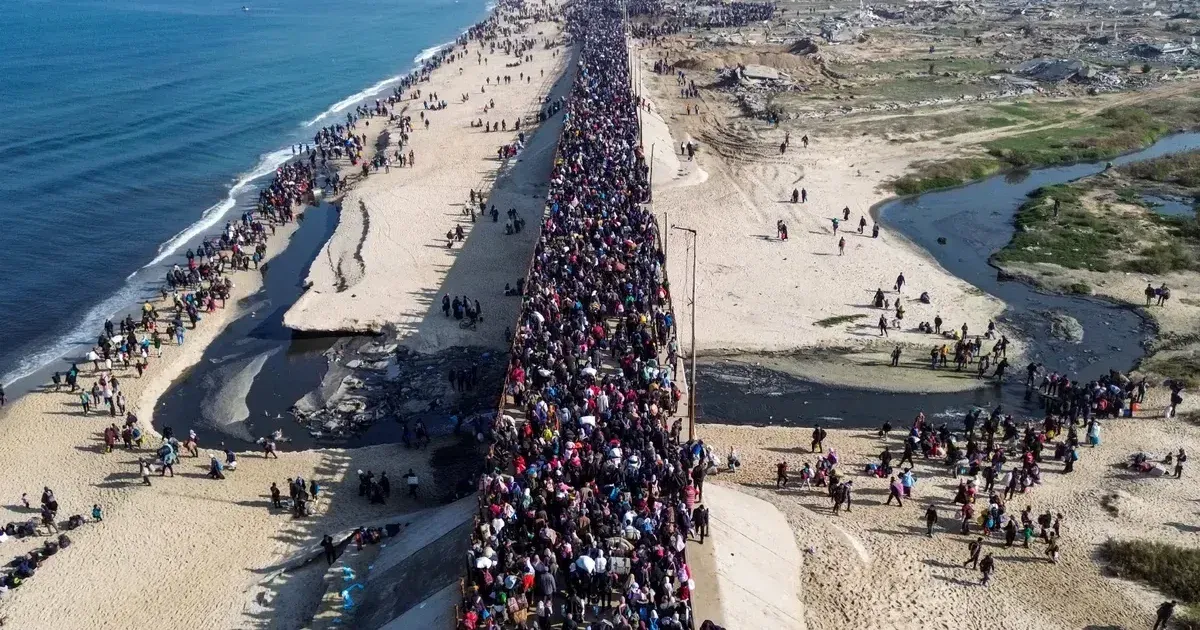
The human consequences extend beyond battlefield deaths. Families flee combat zones, children lose school years, hospitals lose staff and local economies collapse around roads, ports and farms that no longer function safely. Refugee flows then place pressure on neighboring states that may already be politically fragile.
The United Nations and regional organizations face a different operating environment from the one that shaped older peacekeeping models. Missions built around monitoring a line between two armies struggle when fighters are mobile, factions split quickly and outside backers can resupply combatants from beyond the mission area.
Humanitarian funding is also stretched. Donors are asked to respond to simultaneous emergencies while reconstruction money lags behind immediate relief. When roads, courts, schools and police services are not rebuilt, armed groups can return to the same grievances that started the conflict.
Security Policy Faces a Harder Decade
The new conflict count suggests that global security policy is entering a period defined by persistence rather than sudden resolution. Governments are spending more on defense, but military modernization alone does not address the political and economic causes of violence. In some regions, more weapons may simply keep wars active for longer.
Diplomacy is also more complicated because major powers often disagree over which side deserves support. The Security Council can stall when permanent members back different actors or fear that a settlement will weaken their own position. Regional powers then fill the gap, sometimes as mediators and sometimes as participants. That can speed local talks in some cases, but it can also deepen rival blocs.
The policy lesson is blunt: a higher number of active conflicts increases the chance that one local crisis spills into a larger regional confrontation. The post-1945 system still has tools for mediation, aid and peacekeeping, but the Uppsala data shows those tools are being asked to manage more fires at the same time. Preventing escalation will require earlier diplomacy, more durable ceasefire monitoring and a willingness to fund recovery before the next round of fighting begins. Without that shift, governments may keep reacting to each new emergency after the conflict has already crossed borders.