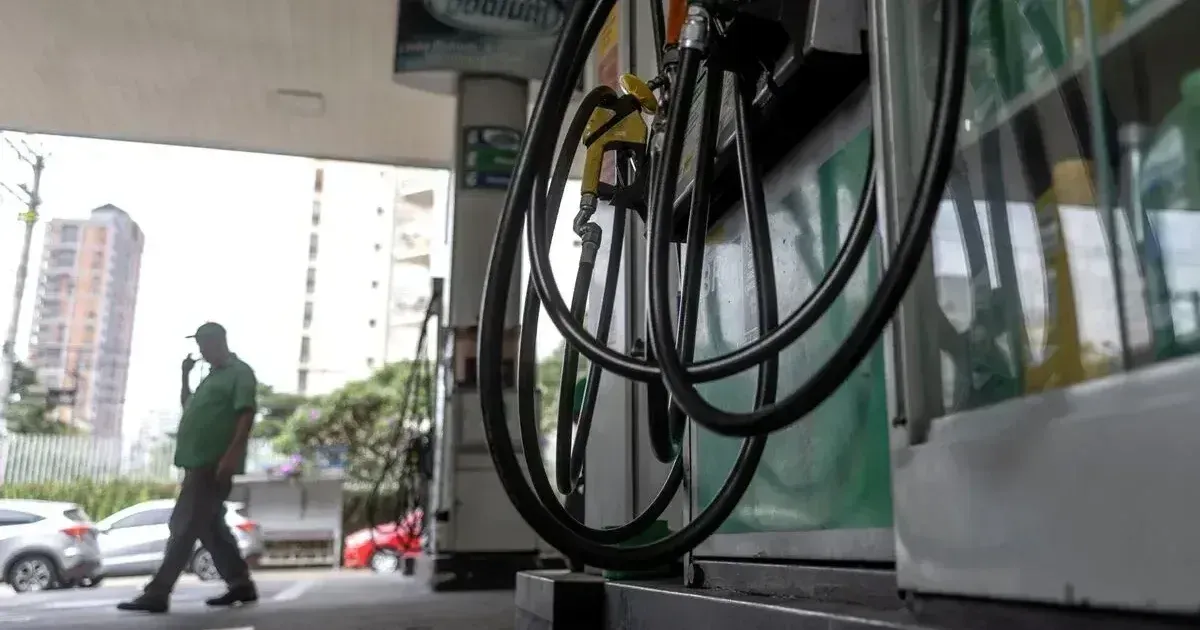
Global markets moved lower as investors reassessed how an Iran-linked energy shock could move through trade, inflation and central-bank policy. The pressure was visible on April 14, 2026, as Asian equity indexes fell, oil futures climbed and currency desks watched the impact on import-heavy economies. For importers, the main concern is not a single market drop but the possibility that higher energy costs persist long enough to reshape inflation expectations.
Singapore became an early test case because its economy is deeply exposed to trade and imported fuel. The Monetary Authority of Singapore adjusted its exchange-rate policy settings to reduce imported price pressure. That move signaled that officials were treating the shock as more than a temporary commodity swing.
Singapore Tightens Against Imported Inflation
Singapore manages inflation through its currency band rather than a conventional interest-rate target. A firmer Singapore dollar can reduce the local cost of imported goods, including energy, food and industrial inputs. The approach is especially important for a city-state with limited natural resources and a large logistics sector.
Manufacturers and petrochemical firms are already watching fuel and freight costs closely. Higher input prices can move quickly from shipping invoices to consumer prices, especially when companies have little margin left after earlier rounds of inflation. Economists warned that a longer disruption would make regional disinflation harder to sustain.
Australia Sentiment Weakens
Australia also showed strain as fuel costs and tighter financial conditions weighed on households. Business surveys pointed to weaker confidence among retailers, miners and agricultural operators that rely heavily on transport. A higher cash rate added another layer of pressure by making financing more expensive at the same time energy costs were rising.
The combination matters because Australia is both a commodity exporter and a consumer economy. Mining revenues may benefit from certain price moves, but households still face higher gasoline, utilities and borrowing costs. That split makes the policy response politically difficult.
Regional traders also watched whether shipping insurers would raise premiums for routes exposed to the Persian Gulf and connected corridors. A sustained rise in insurance costs can behave like a hidden tariff, lifting prices even when cargo continues to move. That is why equity desks treated the energy move as a broader supply-chain risk rather than a narrow oil story.
Markets Price the Iran Risk
Currency markets added another warning signal as import-dependent economies faced pressure from a stronger dollar and higher fuel bills. Central banks that hoped to shift toward easier policy now have to explain why energy volatility may delay that turn. The result is a more defensive posture across bonds, equities and commodities.
Investors are trying to separate temporary volatility from a more durable inflation shock. If shipping lanes stay open and crude prices retreat, the damage may remain contained. If maritime risk keeps insurance premiums and freight rates elevated, the pressure could spread through electronics, chemicals, food distribution and aviation.
The clearest risk is that central banks will lose room to cut rates. Officials who expected inflation to cool may have to delay easing if energy prices rise again. That would leave companies facing weaker demand and higher financing costs at the same time.
The market reaction is therefore a warning, not a verdict. Energy shocks rarely stay confined to oil screens. They travel through currencies, wages, freight contracts and consumer confidence. The longer the Iran risk lasts, the more it becomes a macroeconomic problem rather than a regional security story.
For companies, the practical response is caution. Treasurers are reviewing hedges, logistics teams are revisiting route assumptions and consumers are already sensitive to any renewed rise in fuel prices. That combination explains why markets retreated even before the full economic cost became clear.
Exporters face a different calculation. Some commodity producers may gain from higher prices, but manufacturers that rely on imported components face thinner margins and less predictable delivery windows. Airlines, shipping firms and retailers are likely to pass at least part of the cost to customers if the disruption lasts. That is why the market reaction extended beyond oil producers and hit broader equity sentiment.
Policymakers also have to consider credibility. If they describe the shock as temporary and prices remain high, households may begin to expect another inflation wave. Once expectations shift, wage demands and contract pricing become harder to contain. The energy story therefore becomes a central-bank story, even in countries far from the Gulf. That credibility risk is why officials in import-heavy economies are moving earlier than they might during a normal commodity cycle. The immediate data may still change, but the policy instinct is defensive: keep currencies stable, prevent fuel costs from spreading into core prices and avoid a second inflation psychology before it hardens. That is enough to keep traders defensive until shipping flows, policy signals and fuel inventories show clearer stabilization.