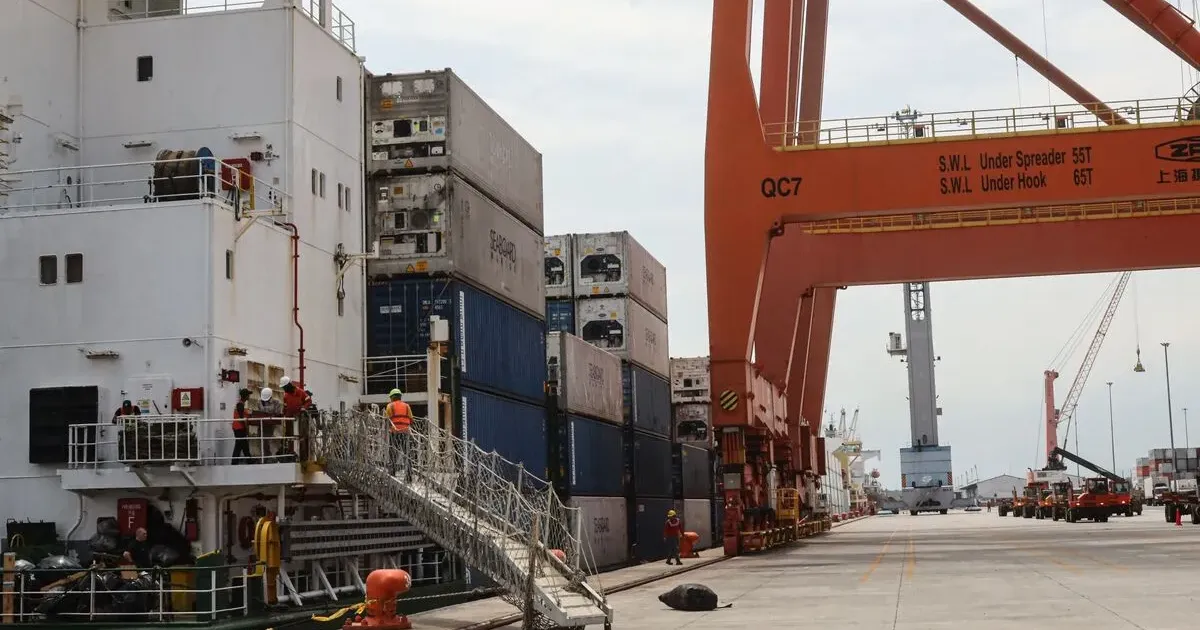
Jamieson Greer, the United States Trade Representative, finalized a trade agreement with Ecuador on Friday afternoon. Signing the documents in Washington, Greer established a new structure for economic cooperation between the two Western Hemisphere nations. Lower tariffs on a variety of agricultural and industrial products remain the primary focus of the text. Negotiators from both sides concluded the final rounds of talks earlier this week to meet a mid-March deadline. $2.5 billion in annual trade volume could see immediate tax relief under the terms.
Lowering the cost of entry for Ecuadorian exports serves the broader administration strategy of diversifying supply chains. Ecuador provides a substantial portion of the flowers, fruits, and seafood consumed in North American markets. Customs officials in both countries received instructions to prepare for the implementation of these adjusted rates within the next thirty days. Trade flows between the two partners reached record levels in the previous fiscal year, prompting a push for more permanent legal protections for investors.
Negotiations faced hurdles regarding labor standards and environmental protections in the Andean region. But the final version of the agreement focuses heavily on market access and the reduction of non-tariff barriers that previously slowed the movement of goods. Trade representatives from Quito expressed confidence that the deal will spark growth in the rural agricultural sectors. Small-scale farmers in the highlands expect to benefit from the elimination of duties on specialty crops like broccoli and artichokes. One-sentence paragraphs emphasize the speed of these changes.
Previous arrangements between these two nations relied on temporary preferences that required frequent renewal by the legislature. This deal concludes that period of uncertainty by codifying specific trade rules into a formal executive agreement. United States manufacturing firms also gained improved access to the Ecuadorian market for heavy machinery and chemical products. Export data indicates that American tech firms have sought clearer intellectual property protections in the region for over a decade. The signing ceremony lasted less than an hour.
Ecuador Exports and US Market Access
Rose growers in the province of Cotopaxi represent one of the largest beneficiaries of the new tariff schedule. Before this agreement, many floral products faced fluctuating duties that hindered long-term contracts with American retailers. The elimination of these costs allows Ecuadorian exporters to compete more effectively with producers in Colombia. Still, the impact on the domestic flower industry in the southern United States remains a point of contention for some regional lawmakers. Labor costs in the Andean nation are sharply lower than those in Florida or California.
Seafood processors along the Pacific coast of South America also expect a surge in volume due to the changes. Frozen shrimp and tuna exports currently constitute a major pillar of the Ecuadorian economy. Removal of the remaining trade barriers simplifies the logistics for large-scale distributors operating in the Gulf of Mexico. Markets in Miami and New York serve as the primary hubs for these perishable arrivals. Shipping companies have already announced plans to increase the frequency of refrigerated cargo vessels between Guayaquil and Savannah. Port authorities confirmed the capacity upgrades on Saturday morning.
The finalization of this agreement secures a essential partnership in South America while ensuring that American consumers have access to affordable, high-quality goods produced in our own hemisphere.
Trade Representative Jamieson Greer emphasized that the agreement avoids the complexities of a full-scale free trade treaty. By focusing on specific tariff lines, the administration bypassed the lengthy congressional approval process typically required for thorough trade pacts. And the streamlined approach allows for faster adjustments if economic conditions shift in either nation. Legal experts noted that the executive authority used for this deal mirrors previous sectoral agreements signed during the last four years. The text contains over three hundred pages of technical annexes.
Greer Outlines New Tariff Reduction Schedule
Phased reductions will occur over the next thirty-six months for the most sensitive products. While some items like fresh-cut flowers see immediate zero-tariff status, other goods will experience a gradual decline in duties. This structure relies on a tiered system designed to prevent sudden market saturation that could harm domestic producers. Industrial equipment exported from the Midwest will receive preferential treatment starting in the second quarter. $400 million in potential savings for American exporters is projected for the first year of operation.
Documentation requirements for cross-border trade are also being simplified to reduce administrative overhead. For instance, digital certificates of origin will replace the paper-heavy system used for the last twenty years. This specific provision aims to help small and medium enterprises that lack the legal resources to handle complex customs bureaucracy. Meanwhile, customs enforcement teams will maintain strict oversight to prevent the transshipment of goods from third-party nations. Authorities in Quito agreed to share real-time data on shipping manifests. The measure takes effect on April 1.
Geopolitical Competition for Andean Trade Influence
Regional analysts view the deal as an attempt to limit the economic reach of non-Western powers in South America. Recent infrastructure projects in the region have drawn significant capital from overseas investors, raising concerns in Washington. Strengthening trade ties with Ecuador is counterweight to these external influences. In fact, the agreement includes clauses that encourage the use of American-made components in Ecuadorian telecommunications infrastructure. Government officials in the Andean nation have sought to balance their trade portfolio between major global powers. The current administration in Washington prefers bilateral deals over multilateral blocs.
Investment protections included in the deal aim to attract more private capital into the Ecuadorian energy sector. Traditional oil and gas extraction remains a essential part of the national budget, but the new rules also cover renewable energy ventures. Solar and wind projects led by American firms will now benefit from reduced import costs for specialized hardware. To that end, the bilateral trade council will meet twice a year to review investment climate complaints. Several American energy conglomerates have already expressed interest in expanding their footprint in the Amazon basin. Private equity firms are monitoring the situation closely.
Domestic Reaction and Manufacturing Impact
Critics of the deal within the United States argue that the removal of tariffs could pressure domestic agricultural prices. Representatives from the sugar and vegetable industries have expressed concern about the potential for increased competition. Yet the administration maintains that the overall benefits to the consumer outweigh these localized risks. Retail prices for exotic fruits and winter vegetables are expected to stabilize or decrease by the end of the year. Consumer price index data for the food category will be scrutinized by the Federal Reserve. The first shipments under the new rates arrive in May.
Manufacturing groups in the Rust Belt have largely remained silent or cautiously supportive of the agreement. Because Ecuador is not a major producer of steel or automobiles, the threat to heavy industry is minimal. In turn, these manufacturers see the Andean nation as a growing market for mining equipment and heavy-duty trucks. Exporting these high-value items helps offset the trade deficit in the agricultural sector. Labor unions have requested a formal review of the working conditions in Ecuadorian factories that produce textile components. The Department of Labor will issue a report in six months.
The Elite Tribune Perspective
Opening a trade corridor with Ecuador is a calculated move that prioritized geopolitical chess over traditional economic caution. Washington has finally realized that ignoring its southern neighbors created a vacuum that rivals were only too happy to fill. The deal is not about the price of roses or broccoli in a suburban grocery store. It is a defensive perimeter built with tariffs and trade quotas. By tethering the Ecuadorian economy to American markets, the administration is buying loyalty in a region that has become more and more volatile.
Critics who moan about the impact on domestic flower farmers are missing the forest for the trees. The real prize is the exclusion of predatory capital from the Andean highlands and the securing of strategic mineral access. If a few farmers in Florida have to pivot their crop cycles, that is a small price for maintaining a sphere of influence. We should expect more of these surgical, executive-led mini-deals that bypass the gridlock of the Senate. The era of the massive, all-encompassing trade bloc is dead. It has been replaced by a more agile, mercenary approach to bilateral relations.
Washington is finally playing the game with the same ruthlessness as its competitors.