Tanker threats near the Gulf have turned a maritime-security story into a household-cost story. The route may look distant from a U.S. gas station, but the chain is direct enough: ships look less safe, insurance and routing risk rise, crude prices move and drivers start seeing the conflict through fuel costs.
Hormuz instability travels through that chain. It does not require a clean, total closure of the strait. A few attacks, warnings, escort disputes or ships avoiding normal routes can be enough to make the market price in fear before physical shortages become obvious.
Shipping Risk Moves First
Diplomats can spend days arguing over responsibility, evidence and proportionality. Energy markets move faster. If owners, charterers or insurers believe a vessel may be hit, delayed or forced into a risky route, they demand compensation or slow movement.
Tanker incidents therefore matter even when damage is limited. One burned hull is a maritime emergency. A region that insurers begin pricing as unstable becomes an economic problem for everyone buying fuel, freight or goods moved by diesel.
Hormuz Does Not Need a Full Closure
The Strait of Hormuz carries a major share of global oil flows, but the market does not wait for a complete blockade. Reduced traffic, transponders going dark, rerouting, convoy delays or higher war-risk premiums can all tighten effective supply.
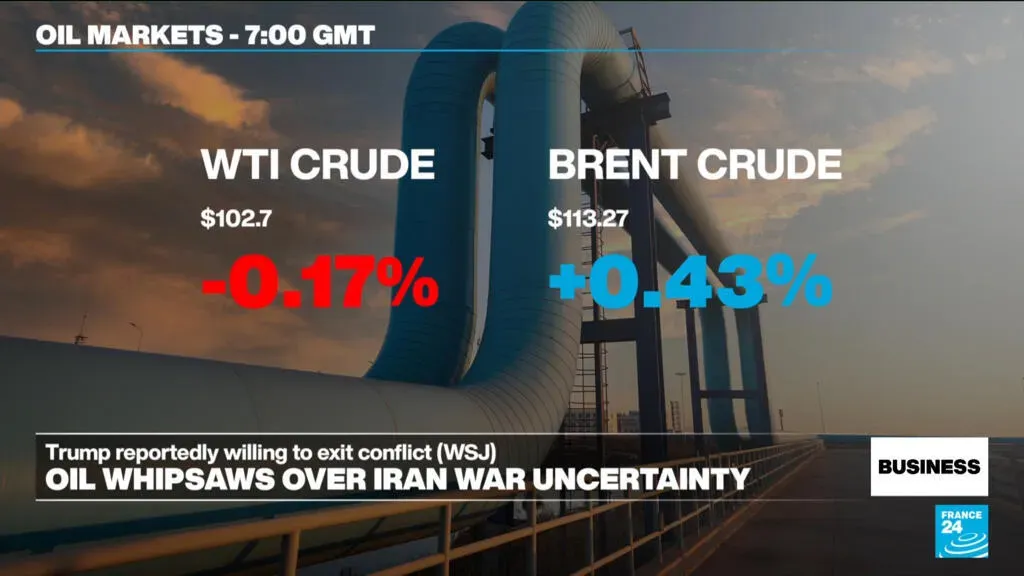
Recent reports of tanker attacks off Oman and renewed U.S.-Iran strikes showed the risk again. Oil prices rose on the fear that commercial passage could become less predictable, even as officials argued over ceasefires, blockades and fees.
Drivers See the Result Before the Explanation
Gasoline prices are politically sensitive because they are visible and repeated. A household may not track Brent crude, tanker insurance or Gulf naval deployments. It knows when a fill-up costs more.
MarketWatch reported U.S. gasoline around $3.86 a gallon this week, with analysts warning that renewed U.S.-Iran tension could push prices back toward $4. The price matters because it turns a foreign-policy crisis into a weekly household experience.
The Cost Spreads Beyond the Pump
The first public sign may be gasoline, but the risk does not stop there. Airlines buy jet fuel. Trucking companies buy diesel. Delivery networks add fuel surcharges. Retailers and food distributors absorb or pass through higher freight costs.
A tanker threat becomes inflation psychology when those costs spread. Businesses start planning as if energy will stay unstable. Consumers start assuming prices will not settle. Official reassurance then has to compete with receipts, freight invoices and travel costs.
Washington Faces a Policy Trap
The United States cannot ignore attacks on commercial shipping without inviting more pressure. It also cannot escalate carelessly without raising the same oil and gasoline prices it wants to calm. A weak response can embolden attacks; an overbroad response can widen the war premium.
The policy goal is not theatrical certainty. It is boring, reliable movement. Oil markets reward predictable passage more than dramatic statements.
Every Gallon Carries the Fear Premium
The tanker threat matters because it connects local maritime danger to household costs abroad. Until ships, insurers, refiners and traders believe Gulf routes are predictable again, every gallon can carry a fear premium.
The premium does not need a new dramatic headline every day. It only needs enough doubt to stay embedded in contracts. Drivers may not know the name of the tanker, the insurer or the route. They still pay for the risk when the pump updates.