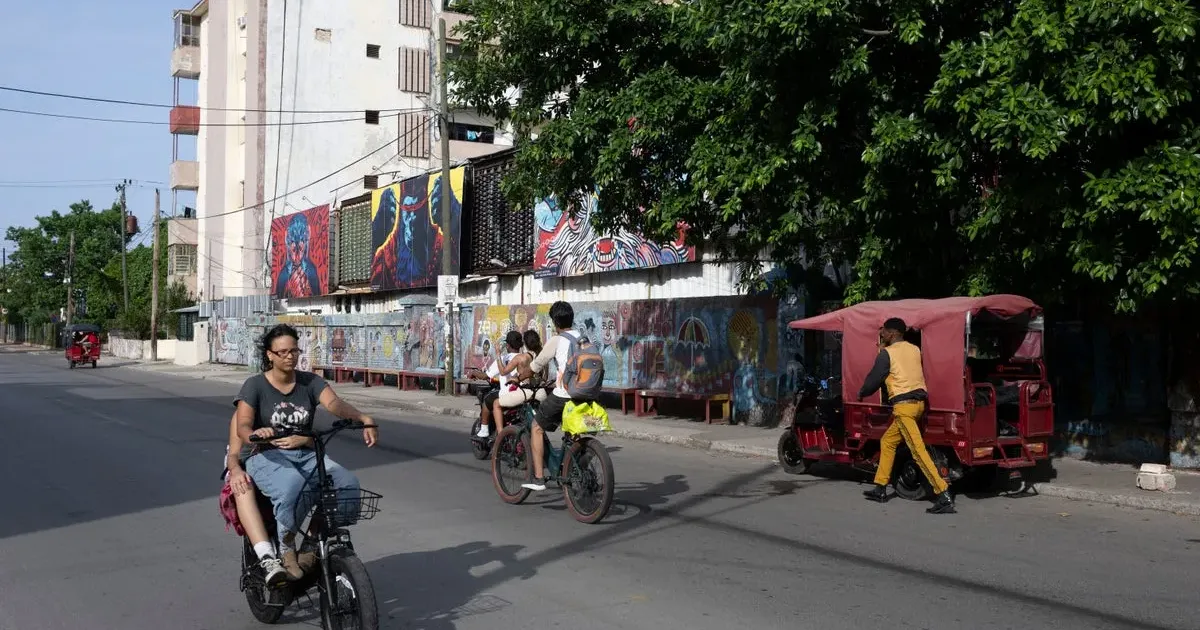
Havana authorities confirmed the release of 2,010 prisoners after an intense diplomatic standoff with the United States reached a tactical turning point. Cuban state media characterized the mass release as a humanitarian gesture timed for the Holy Week observances. Direct pressure from Washington appears to have forced the hand of the Cuban government as energy shortages cripple the island. Energy security has become the primary leverage point for the American administration in its efforts to extract political concessions from the Caribbean nation. The April 3, 2026, release came as Washington tightened pressure on Havana over energy access.
President Donald Trump maintains a stated objective of inducing leadership changes within the Cuban administration through aggressive economic isolation. Washington currently enforces a strict oil embargo that has restricted fuel access for public transportation and electrical grids across the island. Diplomatic sources in the region suggest the prisoner release was a specific requirement for the recent arrival of energy supplies. Crude oil supplies from a Russian tanker were permitted to reach Cuban ports earlier this week without American interference.
Reports from Havana indicate that the pardoned individuals include a substantial number of political dissidents. US officials have long categorized the detention of these individuals as a violation of international human rights standards. Releasing these detainees has remained a core demand of the State Department for several years. State media in Cuba has avoided using the term political prisoners, instead focusing on the spirit of the religious holiday.
Diplomatic Brinkmanship Over Energy Security
Russian energy interests have complicated the bilateral dynamic between Washington and Havana as Moscow seeks to maintain its influence in the Western Hemisphere. A Russian oil tanker recently delivered crude to the island after the American government chose not to enforce its blockade against that specific shipment. Observers in the Caribbean energy market viewed this allowance as a calculated trade for the freedom of the 2,010 individuals. Fuel prices in Havana have spiked by 400% over the last six months due to the tightening embargo.
Public transport in major Cuban cities has largely ground to a halt as diesel reserves reached critical lows. Food distribution networks also faced collapse without reliable transport for agricultural goods from rural provinces. Cuban President Miguel Diaz-Canel has repeatedly blamed American sanctions for the worsening humanitarian conditions on the island. American policymakers, however, argue that the economic hardship stems from systemic mismanagement within the local government. Tensions between the two capitals persist despite this temporary exchange of oil for human liberty.
US President Trump has made clear his desire to change Cuba's leadership and has placed the country under an oil embargo. White House officials refused to confirm any formal quid pro quo agreement regarding the Russian tanker. Spokespeople for the administration emphasized that the oil blockade remains the primary tool for encouraging democratic reforms. Data from the US Treasury Department shows that sanctions have successfully reduced Cuba's daily oil imports by nearly sixty percent. The reduction has directly affected the operating capacity of the island's thermal power plants. President Donald Trump continues to utilize aggressive economic pressure as a central pillar of his regional foreign policy.
Humanitarian Framing for Political Concessions
Religious leaders in Havana welcomed the pardons as a necessary step toward national reconciliation. The Catholic Church has historically played a mediating role between the Cuban state and its domestic critics during periods of high tension. Holy Week provides a convenient political cover for the government to release detainees without appearing to succumb to American demands. Previous mass pardons in Cuba occurred during visits by high-ranking religious figures or major religious anniversaries.
External analysts suggest the timing is less about religion and more about the absolute exhaustion of the Cuban economy. Foreign currency reserves in the Cuban Central Bank have plummeted to their lowest levels in a generation. Without the ability to purchase fuel on the open market, the regime has turned to diplomatic bartering to keep the lights on. The pardon represents one of the largest mass releases since the 1959 revolution.
Critics within the Cuban exile community in Miami expressed skepticism about the long-term impact of the releases. Many argue that the government will simply arrest new dissidents once the energy crisis subsides. Past cycles of detention and release have followed similar patterns of transactional diplomacy. Washington maintains that systemic changes must accompany these individual gestures before any permanent lifting of sanctions occurs.
Moscow continues to provide a lifeline to the Cuban energy sector through periodic shipments of heavy crude oil. The arrival of the most recent tanker provided enough fuel to stabilize the national power grid for approximately three weeks. The short-term relief allows the Cuban leadership to avoid immediate civil unrest driven by blackouts. Security forces in Havana have been on high alert as frustrations over utility failures began to manifest in street protests. Concessions rarely satisfy a population facing chronic shortages.
Energy analysts at the University of Miami noted that the Russian shipment was a drop in the bucket compared to Cuba's total demand. Venezuela, formerly the primary provider of subsidized oil to the island, no longer possesses the refining capacity to meet Havana's needs. The shift has left Cuba dependent on more distant and politically volatile partners. American naval vessels continue to monitor shipping lanes in the Caribbean to identify and intercept unauthorized fuel transfers.
International law experts point out that the US oil embargo sits in a gray area of maritime jurisdiction. While the United States claims the right to sanction companies doing business with Cuba, other nations view the blockade as an extraterritorial overreach. The decision to allow the Russian tanker through indicates a rare moment of flexibility in an otherwise rigid policy. Washington appears willing to trade enforcement rigidity for real human rights improvements on the ground.
Domestic laws in Cuba allow the Council of State to grant pardons for reasons of health, age, or humanitarian necessity. The 2,010 individuals selected for release include elderly prisoners and those with chronic medical conditions. Legal observers in the country noted that the decree did not include those convicted of violent crimes or espionage. The exclusion suggests the government is keeping its strongest political leverage behind bars for future negotiations.
Washington demands the unconditional release of all political prisoners before any broad diplomatic thaw can begin. The current administration has reversed many of the engagement policies established during previous years. US policy now focuses on maximum pressure to accelerate a transition to a multi-party system. Every barrel of oil withheld brings the Cuban economy closer to a total standstill.
Havana remains defiant in its public rhetoric despite the clear signs of economic distress. State-run newspapers continue to describe the American embargo as a genocidal act against the Cuban people. The release of the prisoners is a dual-purpose move to satisfy international critics while relieving the burden on an overcrowded and underfunded prison system. Shortages of medicine and food have affected the inmate population as severely as the general public.
Havana Pardons Become Diplomatic Currency
Western observers often mistake the release of political prisoners for a softening of the Cuban regime. The perspective ignores the cold, transactional logic of a government fighting for its survival against an existential energy crisis. Havana is not moving toward democracy; it is selling human beings for barrels of oil. By releasing 2,010 individuals, the regime has bought itself three weeks of electricity and a temporary reprieve from the most biting aspects of the American blockade. It is a survival tactic, not a policy shift. Washington must realize that allowing a single Russian tanker to deliver fuel creates a precedent that Moscow will exploit to maintain its Caribbean foothold.