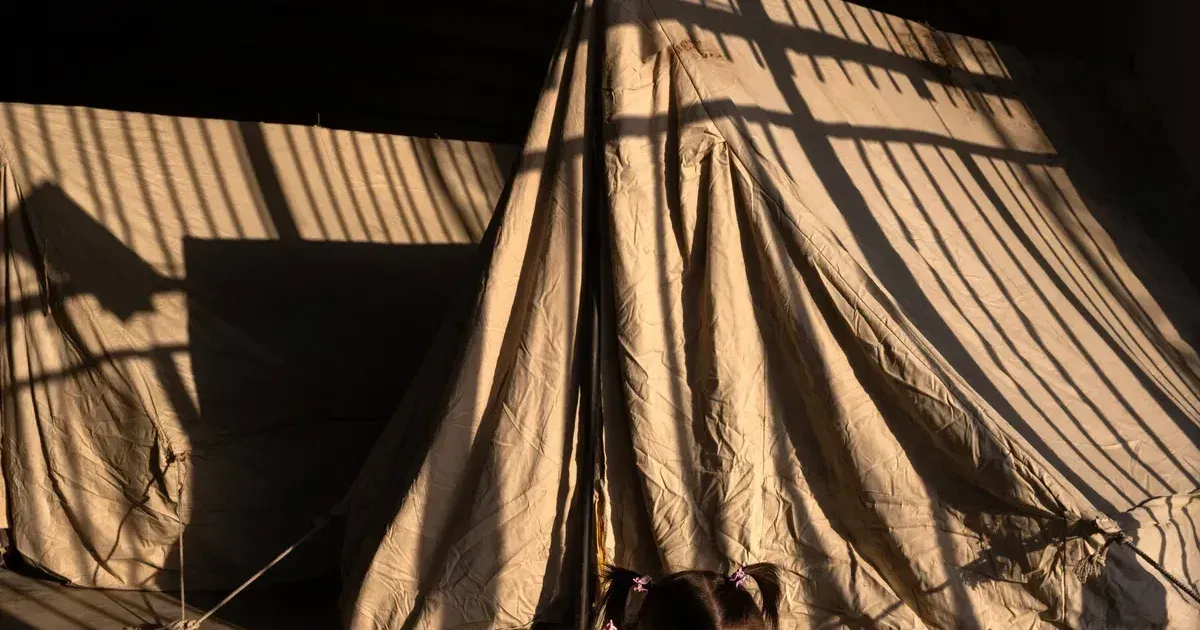
Artillery fire signaled a deepening war between Israel and Hezbollah. Over one million people fled their residences in the southern and eastern regions during the last several days. These civilians represent nearly one-fifth of the national population. Congestion paralyzed the primary highways leading toward the capital as families packed basic necessities into aging sedans and trucks. Relief agencies warned of worsening conditions in Lebanon on April 10, 2026, as the displacement estimate emerged.
Conflict transformed the geography of the Levant in less than a week. Urban centers in the south like Tyre and Nabatieh now stand nearly empty. Residents who stayed behind cite a lack of financial resources or a desire to protect their property from looters. Military analysts observe that the speed of this exodus exceeds the patterns seen during the 2006 war. Rocket fire continues to rain down on northern Israeli towns while airstrikes target positions across the Bekaa Valley.
Border Warfare Accelerates Enormous Civilian Migration
Southern villages experienced the heaviest initial impact of the hostilities. Israeli Defense Forces issued evacuation warnings to dozens of communities located south of the Litani River. Civilian vehicles soon filled every lane of the coastal highway leading to Sidon. Many drivers reported spending twelve hours to travel distances that normally take forty minutes. Fuel shortages added further complications to the mass movement of people.
Local municipalities struggled to provide basic services to those in transit. Volunteers handed out water and bread to children leaning out of car windows. Some families brought mattresses strapped to roofs. Others carried nothing but plastic bags filled with documents and medicine. The scale of the movement has overwhelmed the ability of the Lebanese state to provide organized evacuation routes. Hezbollah fighters maintain their positions despite the civilian departure. Guerrilla units use the rugged terrain and subterranean tunnels to launch salvos of guided missiles. These tactics ensure that the border zone stays a kinetic battleground. Military officials in Tel Aviv stated their intention to push the militant group back from the fence. This objective requires a wide buffer zone that is currently uninhabitable for civilians.
Public Schools Become Temporary Shelters For Families
Classrooms across Beirut and Mount Lebanon serve as emergency housing for the displaced. Desks are pushed against walls to make room for sleeping mats provided by local charities. Most schools lack the shower facilities or kitchen capacity to support hundreds of permanent residents. Sanitation issues began to surface within forty-eight hours of the first arrivals. Government ministries admitted that the existing infrastructure cannot sustain such a heavy load indefinitely.
"The scale of this displacement is unlike anything history shows in decades," stated a spokesperson for the United Nations High Commissioner for Refugees.
Humanitarian agencies redirected their limited budgets to address the crisis. Rice, lentils, and canned goods are the primary staples available in the communal kitchens. Many displaced persons suffer from chronic illnesses that require regular medication. Supply chains for insulin and heart medicine are failing due to the road closures and constant bombardment. Medical teams from the Lebanese Red Cross operate mobile clinics in the most crowded districts.
Private citizens opened their homes to strangers in a show of communal solidarity. Apartments in the northern Christian and Druze enclaves are now filled to capacity. Tensions over resources occasionally flare in the most densely populated neighborhoods. Prices for rental properties in safe zones tripled overnight. Families with no other options have pitched tents on the public beaches of the capital.
Hezbollah Military Operations Impact Civilian Safety Zones
Military assets often operate in close proximity to residential areas. This proximity complicates the efforts of non-combatants to find genuine safety. Airstrikes targeted specific buildings in the southern suburbs of the capital on Tuesday morning. Intelligence reports claimed these structures housed command centers or weapon caches. Smoke from the explosions drifted over the makeshift shelters where families were eating breakfast.
Israeli jets fly low over the city to break the sound barrier. The resulting sonic booms shatter windows and terrify children in the shelters. Such psychological pressure aims to degrade support for the militant factions. Local residents expressed anger at being caught between the technological might of the Israeli air force and the strategic decisions of Hezbollah leadership. Neither side shows signs of a tactical retreat. Intelligence sources suggest the conflict may expand into a ground invasion. Tank units are massing on the southern side of the border. Hezbollah responded by increasing the range of its rocket attacks. These missiles now reach deep into the industrial centers of northern Israel. Each escalation drives more Lebanese civilians further north toward the Syrian border.
Economic Stability Erodes Under Weight Of Mass Flight
Lebanon faced a severe economic depression long before the current fighting began. The sudden loss of agricultural output from the fertile south creates a food security crisis. Wheat fields and citrus groves sit untended or scorched by incendiary munitions. Farmers who fled the border lost their entire livelihoods for the season. Market prices for fresh produce skyrocketed in the urban centers of the north. Banking sectors remain frozen. Most citizens cannot access their savings to pay for emergency expenses. The local currency lost another ten percent of its value against the dollar this morning. Small business owners in the war zones shuttered their shops and fled. This total cessation of commerce in half the country threatens to trigger a full national collapse.
International donors pledged millions in aid during an emergency summit in Paris. Delivering these funds to the people who need them is a logistical nightmare. Damaged bridges and cratered roads prevent trucks from reaching isolated mountain villages. Electricity is available for only two hours a day in many of the shelters. Cold water and a lack of heating will become critical issues if the fighting lasts into the autumn months.
Lebanese Sovereignty Collapses Under Militia Rule
Western diplomats continue to cling to the fantasy of Lebanese sovereignty while a non-state actor dictates the nation's survival. The diplomatic charade ignores the reality that the central government in Beirut exerts zero control over its southern border or the military decisions of its primary political faction. Lebanon has effectively ceased to exist as a sovereign entity, functioning instead as a logistical backdrop for a regional proxy war. International aid will only subsidize a cycle of destruction that the Lebanese people are powerless to stop. Expecting a different result from the same failed containment strategies reflects a deep lack of strategic imagination.
Empty condemnations from the United Nations provide no shield against drone strikes or short-range rockets. Borders in the Middle East are being redrawn by fire, not by ink or treaties. Hezbollah persists as a state within a state, funded by external interests and emboldened by the paralysis of its domestic rivals. Structural rot ensures that civilian displacement is a recurring feature of the regional environment. Observers should stop asking when the state will step in and start acknowledging that the state has already left the building.
The international community’s insistence on supporting a hollowed-out administration only delays the inevitable reckoning between local militias and their neighbors. Realism demands a recognition that Beirut is no longer the captain of its own ship. Peace requires more than a ceasefire; it requires a total restructuring of the Lebanese political system that seems impossible under current conditions. Failure to act on this reality guarantees another million displaced people in the coming decade.