One Lebanese official told Reuters on Friday that a cessation of hostilities is the primary condition for a broader peace agreement with the Netanyahu administration. While Israel continues military operations, a high-ranking official confirmed plans to reduce strike intensity over the coming days. The meeting plan emerged on April 10, 2026, while truce diplomacy remained under pressure. Hezbollah fighters and Israeli forces continued to trade attacks at a reduced pace throughout the morning. Recent reports from the border indicate that both sides are preparing for a potential transition toward diplomatic engagement.
Negotiations in the U.S. capital involve representatives from Israel, Lebanon, and the United States. A State Department official confirmed to Reuters that the meeting aims to discuss the framework of a new ceasefire. This potential agreement would replace the November 2024 truce that collapsed during the opening days of the regional war in March. Lebanese authorities confirmed their delegation intends to travel to Washington next week for these critical discussions. Diplomacy appears to be gaining momentum even as technical details of the border monitoring mechanism remain unresolved.
Washington Summit and Ceasefire Conditions
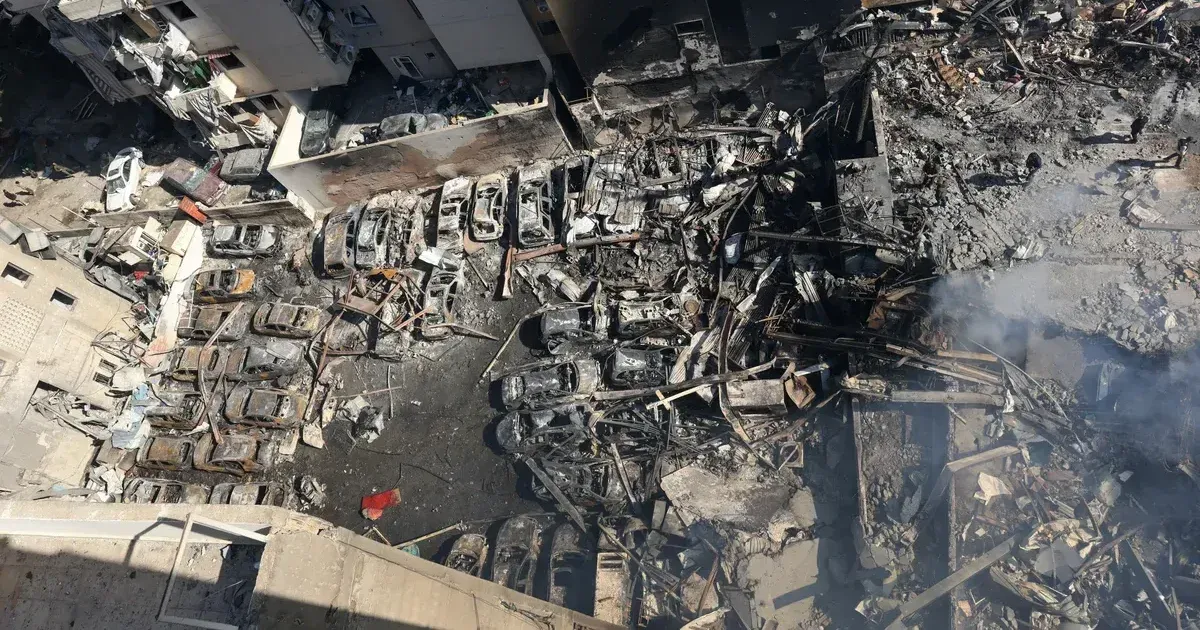
Officials in Beirut insist that a cessation of fire must occur before any signatures touch a peace treaty. Recent communications between the parties suggest that the logistics of a truce are more complex than in previous years. Israeli airstrikes targeted the Al-Mazraa neighborhood in Beirut and the southern city of Tyre earlier this week. These strikes resulted in the destruction of multiple residential buildings and forced thousands of civilians to flee their homes. Israeli military spokespeople stated that the operation in Lebanon continues despite the talk of diplomacy. Units on the ground maintain their positions along the Blue Line.
Military commanders on both sides are assessing the tactical implications of a pause in fighting. If a ceasefire takes hold, it will be the second major attempt to stabilize the border in eighteen months. Security experts note that the 2024 agreement failed because of a lack of strong enforcement by international monitors. The current proposal involves a more rigorous verification process involving satellite imagery and ground inspections. Success depends on the willingness of Hezbollah to pull back its heavy weaponry from the frontier. Israeli intelligence suggests that significant missile stockpiles still exist in southern villages.
Southern Lebanon Food Security Crisis
United Nations monitors warned on April 10, 2026, that a food security crisis is rapidly developing across southern provinces. Displacement has reached levels that strain local infrastructure and exceed the capacity of international relief agencies. Small farmers have abandoned their fields during the harvest season, leading to a sharp spike in local produce prices. Relief workers report that bread shortages are becoming common in areas heavily affected by recent bombardments. Large numbers of families are currently living in temporary shelters without access to consistent clean water. The humanitarian situation complicates the political landscape for the Lebanese government.
"Lebanon has placed a ceasefire in the war between Israel and Hezbollah as a condition for negotiating a broader peace agreement with the Netanyahu government," a Lebanese official told Reuters.
Beirut faces pressure to stabilize the internal economy while managing the demands of its security apparatus. Food prices in the capital have risen by 40 percent since the March escalation began. Lebanon's central bank lacks the foreign reserves to subsidize essential imports for another six months. Many economic analysts believe that only an immediate end to the war can prevent a total financial collapse. The prospect of an infusion of international aid hinges on the success of the Washington talks. Local businesses have largely shuttered in the south due to the persistent threat of aerial bombardment.
Strait of Hormuz and Global Energy Pressure
President Donald Trump accused Iran on Friday of performing a very poor job of opening the Strait of Hormuz to oil traffic. Shipping flows through this critical maritime artery remain effectively blocked, causing a surge in global energy prices. Donald Trump stated that the blockage is an unacceptable disruption to the world economy. Crude oil futures jumped in response to the continued uncertainty regarding Persian Gulf security. Iranian authorities have not provided a timeline for the resumption of normal tanker transit. The maritime standoff adds a layer of complexity to the Lebanon-Israel negotiations.
Regional stability is closely linked to the free flow of energy through the Gulf. Global markets are currently pricing in a long-term disruption that could trigger a recession in Western economies. American naval assets are maintaining a presence in the region but have not yet attempted to break the blockade by force. Tehran argues that its actions are a response to international sanctions and military pressure. Both Israel and Lebanon understand that their local conflict is part of a much larger geopolitical struggle. Energy costs in Israel have climbed as the government diverts resources toward the military budget. Crude oil remains above $110 per barrel.
Future negotiations will likely address the maritime disputes alongside the terrestrial borders. Success in Washington would provide a template for resolving other regional flashpoints. Failure would almost certainly lead to a renewed escalation on the ground in southern Lebanon. This diplomatic effort is the first time the three nations have sat at the same table since the March outbreak. Every participant faces significant domestic political risks by engaging in these talks. When the delegations arrive in the U.S. capital, they will bring months of grievances and demands. Negotiations are expected to last for at least five days. If no progress is made, the military commanders have already prepared plans for the next phase of the campaign.
Energy Pressure Shadows the Lebanon Talks
Can a state negotiate peace while its primary port is blocked and its southern residents lack bread? Diplomacy thrives on the exhaustion of combatants, yet the upcoming Washington summit feels less like a peace overture and more like a tactical regrouping. The reality is that neither Israel nor Hezbollah can claim a decisive victory in the current stalemate. Benjamin Netanyahu is under immense pressure to secure the northern border for displaced Israeli citizens, while Beirut is staring into a humanitarian abyss. The intervention of Donald Trump regarding the Strait of Hormuz adds a transactional layer to this conflict that cannot be ignored.
Peace is currently a commodity traded for energy security and regional leverage. Washington is doing more than hosting a meeting; it is attempting to manage a global supply chain crisis by proxy. If the Strait of Hormuz remains closed, any ceasefire in Lebanon will be a hollow victory. The linkage between Lebanese sovereignty and Iranian maritime strategy is now absolute. Expect the talks to be grueling, disputed, and ultimately dictated by the price of a barrel of oil. This is not about borders. It is about survival.